
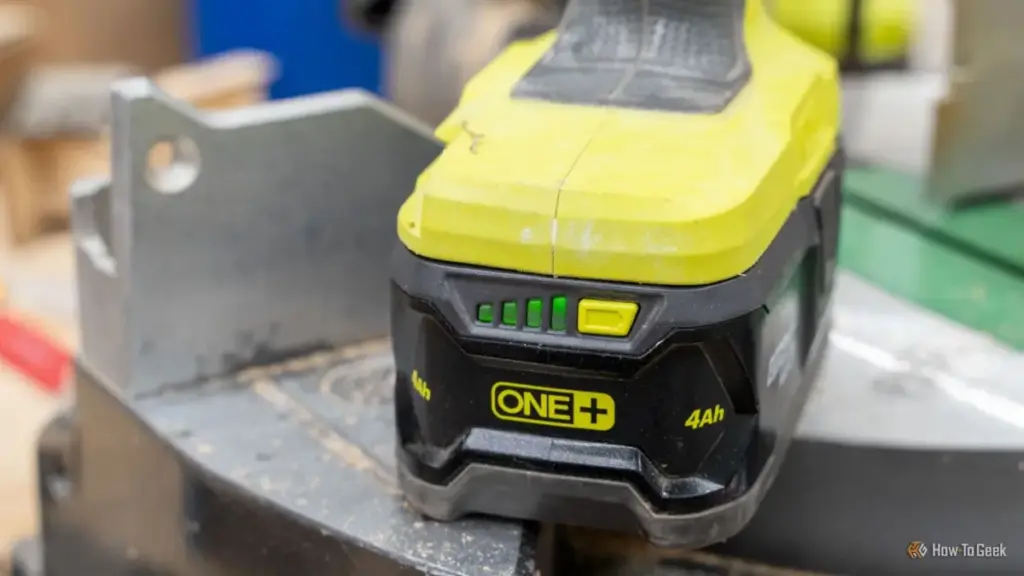
To combat this, manufacturers like Ryobi generally recommend that battery packs be stored in a climate-controlled environment. The ideal window is surprisingly narrow, with recommendations typically falling between 60°F and 77°F. For the average homeowner, this means the uninsulated garage, the outdoor shed, or the back of a work truck are no longer viable storage locations once the thermometer drops.
Strategic Indoor Storage and Maintenance
For many Ryobi users, the garage is the natural home for their tools. However, Gunther suggests that the most effective way to preserve a battery investment is to bring the packs inside the house for the duration of the winter. Transitioning batteries to a shelf in a laundry room, a mudroom, or even a basement closet can significantly extend their operational lifespan.
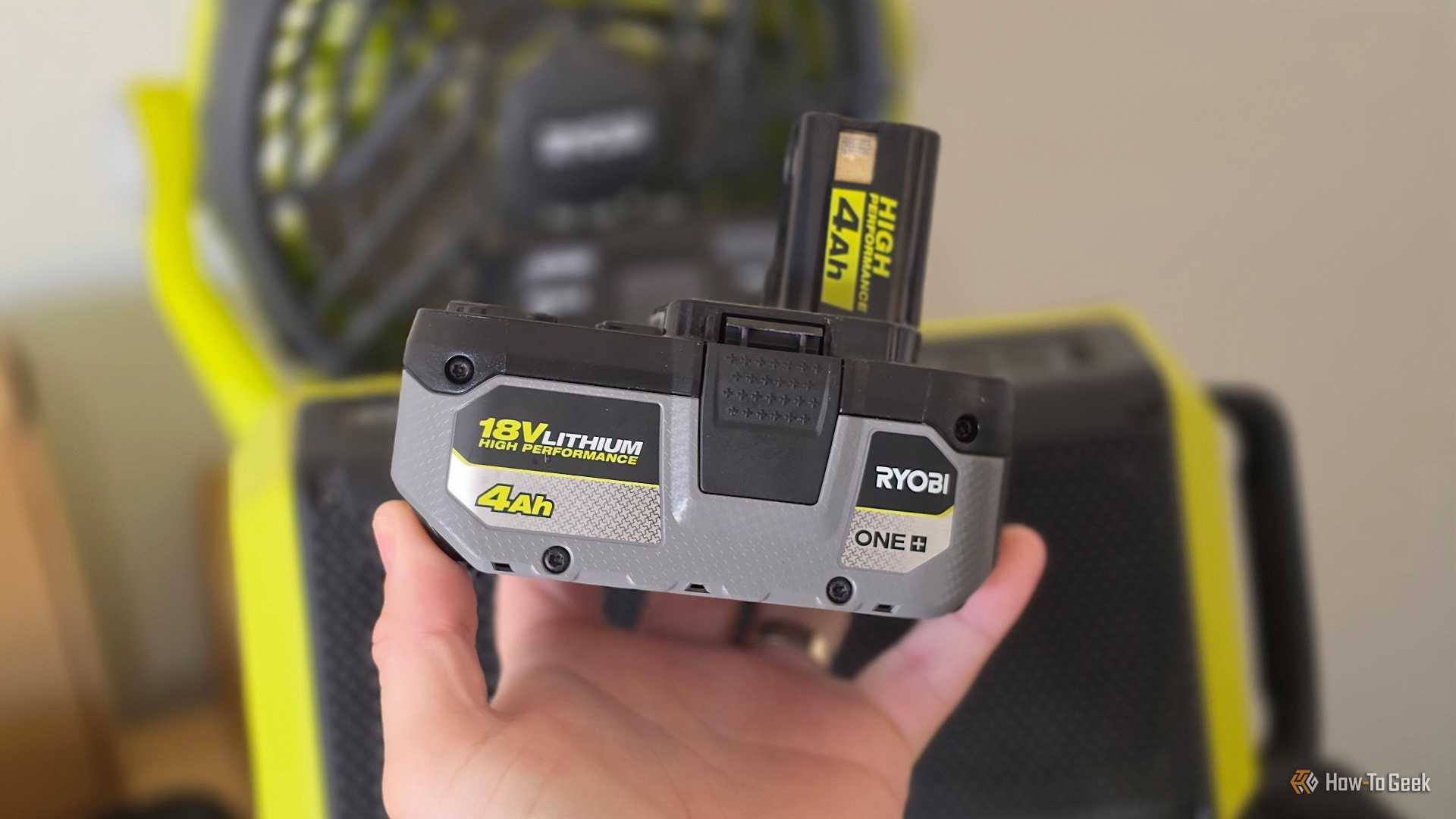
Moving the batteries inside serves multiple purposes. First, it ensures that the cells remain at a stable, moderate temperature, preventing the degradation of the electrolyte. Second, it facilitates safer charging. A battery brought in from a 30°F garage and immediately placed on a charger can suffer from "cold-charging" stress. By keeping the batteries and chargers in a climate-controlled room, you ensure that every charge cycle is optimized for the battery’s health.
While the tools themselves are less susceptible to the cold than the batteries, they are not entirely immune. If a room-temperature battery is snapped onto a tool that has been sitting in a freezing garage all night, the contrast in temperature can cause condensation to form inside the tool’s housing. Furthermore, the lubricants inside the tool’s motor and gearbox can thicken in the cold, leading to "odd noises" or reduced torque until the tool warms up through friction. While it is not always practical to bring every drill and saw into the living room, keeping them in a dry, sheltered location is essential to prevent rust and mechanical strain.
Managing the Charge: The 60% Rule
Beyond temperature control, the state of charge is a critical factor in how a battery survives a long period of inactivity. Many users make the mistake of either leaving their batteries completely depleted after a final autumn project or, conversely, charging them to 100% before tucking them away for the season. Both extremes can be detrimental.

Expert consensus, supported by Ryobi’s own guidelines, suggests that the "sweet spot" for long-term storage is approximately 50% to 60% of the total charge capacity. Storing a lithium-ion battery at 100% charge places unnecessary chemical stress on the cells, which can lead to faster degradation of the battery’s total capacity over time. On the other hand, storing a battery that is nearly dead is even more dangerous. All batteries experience a small amount of "self-discharge" over time. If a battery is stored at 5% and then naturally loses charge over three months of winter, it may drop below a critical voltage threshold. Once a battery drops too low, its internal protection circuit may "brick" the battery for safety reasons, making it impossible to recharge.
 Tech Tutorials & How-To Guides
Amazon Unveils Comprehensive 2026 Kindle Overhaul Featuring First Color Scribe and Thinner Designs
Amazon has officially announced a sweeping transformation of its entire Kindle ecosystem,...
 Tech Tutorials & How-To Guides
The Power of Automation: Why Home Assistant Users Are Rediscovering These Underutilized Features
The landscape of the modern smart home has shifted dramatically over the...
 Tech Tutorials & How-To Guides
The Great Big-Box Battle: Evaluating the Power Tool Ecosystems of Ryobi, Craftsman, and Hyper Tough
For the modern homeowner or the burgeoning DIY enthusiast, the walk down...







