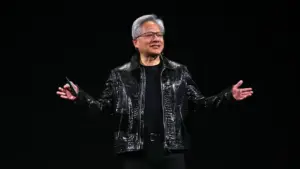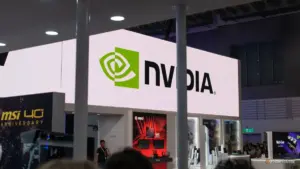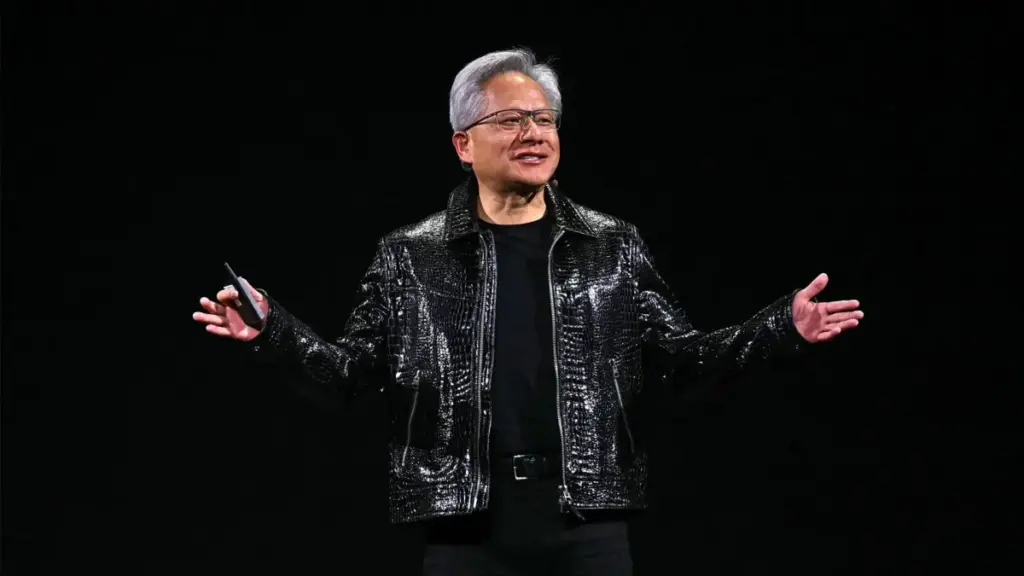
In a move that has sent ripples through the global technology sector, Nvidia has announced that Jensen Huang will return to his position as Chief Executive Officer, a mere two weeks after his sudden resignation. The decision marks the end of a brief but tumultuous period of leadership uncertainty for the world’s most prominent manufacturer of artificial intelligence chips.
The Santa Clara-based company confirmed the news in a formal statement, revealing that the board of directors held a unanimous vote to reinstate Huang as president, CEO, and a member of the board. The swiftness of the reinstatement underscores the company’s desire to restore stability as it navigates a complex landscape of market dominance and geopolitical scrutiny.
According to the company’s official communication, the board’s decision was not made in isolation. It followed what was described as a “series of discussions and meetings” specifically focused on Huang’s capacity to lead Nvidia during a time when the company’s operations are increasingly viewed through the lens of national security.
National Security and Government Consultations
The primary catalyst for the board’s deliberation was a set of concerns regarding potential national security risks. Given Nvidia’s pivotal role in the global AI infrastructure—producing the high-end GPUs that power everything from consumer electronics to advanced military simulations and state-level data centers—any controversy involving its leadership is treated with the highest level of gravity by federal regulators.
“In the process of reaching its decision, the Board received input from senior levels of the United States government,” the company statement noted. “Based on that input, the Board is confident that Mr. Huang’s reinstatement poses no national security risk.”
This involvement of the U.S. government highlights the unique position Nvidia occupies. Unlike typical corporate leadership changes, the status of Nvidia’s CEO has direct implications for trade policy and international relations. The board’s move to consult with federal officials suggests a collaborative effort to ensure that the leadership transition—or in this case, the return to the status quo—would not trigger further regulatory hurdles or export restrictions.
Harvey Jones, the chair of the board at Nvidia, expressed the company’s total support for the returning executive. Jones emphasized that the board has “every confidence” in Huang’s ability to steer the company forward. At the same time, Jones took the opportunity to acknowledge the work of Colette Kress, who stepped in to lead the company during the interim period.
Kress, who serves as Nvidia’s Chief Financial Officer, took on the role of interim CEO for the two-week duration of Huang’s absence. Jones praised her for “outstanding service” during what was arguably one of the most stressful periods in the company’s history. With Huang’s return finalized, Kress will resume her full-time duties as CFO, providing a sense of continuity to the company’s financial leadership.
The Context of the Resignation
 Helpdesk & IT Service Management (ITSM)
International Law Enforcement Operation Dismantles KillSec Ransomware Group and Arrests Teenage Mastermind
In a sweeping international law enforcement operation coordinated across multiple borders, authorities...
 Helpdesk & IT Service Management (ITSM)
Qlik Secures AWS Data Competency for Relational Databases, Strengthening Hybrid Cloud Integration and AI Readiness
Qlik, a global leader in data integration, analytics, and artificial intelligence, has...
 Helpdesk & IT Service Management (ITSM)
The AI Capability Paradox: Why Senior Leaders are Surging Ahead While Junior Staff Struggle to Keep Pace
The rapid integration of artificial intelligence into the modern workplace has created...