
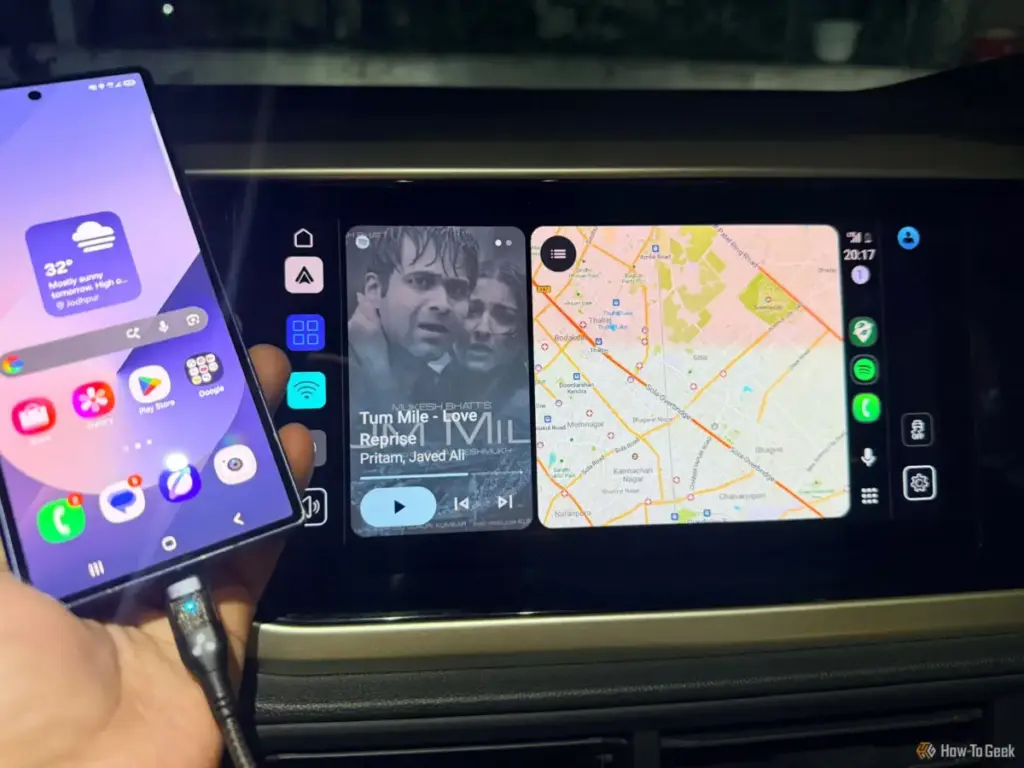
Despite its strengths, Waze often falls short in the "search and discovery" department. Compared to Google Maps, Waze’s database of businesses, points of interest, and saved locations feels less integrated. While it is excellent for navigating a known route while avoiding obstacles, it is less effective as a general-purpose tool for finding a specific coffee shop or gas station on the fly. For many, Waze serves as a specialized tool for the commute, but it lacks the comprehensive "lifestyle" integration that keeps users anchored to the Google ecosystem.
1. Google Maps
The Definitive Leader in Integrated Navigation
After exhaustive testing of the alternatives, Google Maps remains the premier choice for the majority of Android Auto users. Its dominance is not merely a result of being the default option, but rather a reflection of its deep integration with the broader Google ecosystem. The seamless transition of recent searches from a desktop browser or a smartphone to the car’s display provides a level of continuity that no other app can currently match.
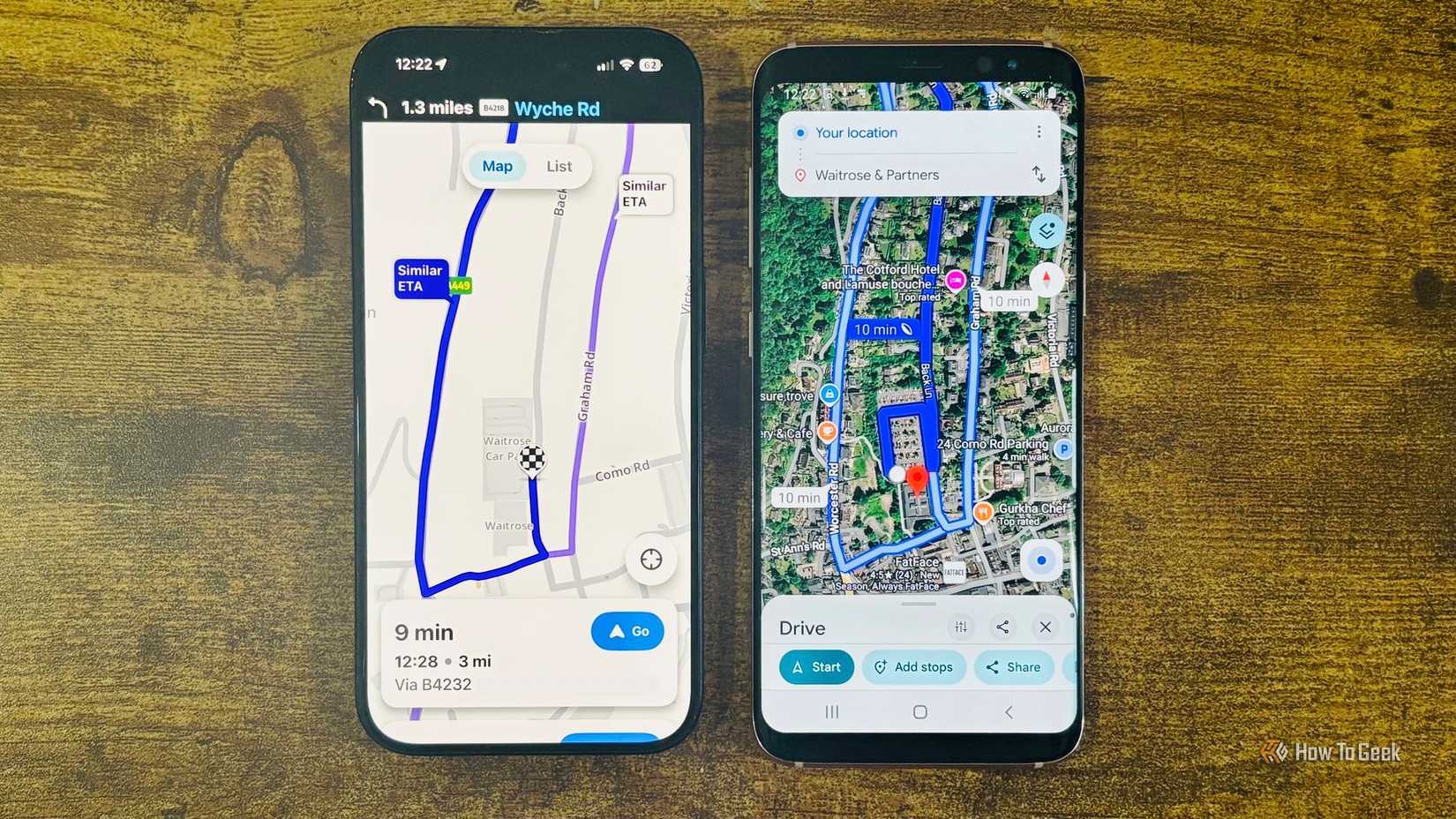
Google Maps excels in its "all-in-one" approach. On the Android Auto screen, users have immediate access to categorized searches for essential services like gas stations, grocery stores, and restaurants. This allows for spontaneous stops without the need to fumble with a phone or exit the navigation flow. The app’s live traffic data remains the gold standard for accuracy, and its ability to suggest and visualize alternate routes in real-time allows drivers to make informed decisions as road conditions evolve.
Furthermore, Google Maps has successfully bridged the gap between a "search engine" and a "navigation tool." The depth of information available for any given destination—including hours of operation, reviews, and busy times—is accessible in a way that feels native to the driving experience. While other apps may offer better lane guidance or more social alerts, Google Maps provides the most balanced and comprehensive package for everyday driving.
The Best Navigation App Depends on Driving Habits
The conclusion of this comparative study suggests that while Google Maps is the most versatile all-rounder, the "best" app is ultimately a matter of individual priority. For a professional driver or someone frequently navigating complex interchanges, the lane-level precision of TomTom GO Expert or Sygic might outweigh the costs or interface limitations. For the commuter who views the road as a series of obstacles to be managed, the real-time community alerts of Waze are unparalleled.
However, for the average user who requires a mix of reliability, search depth, and ease of use, Google Maps continues to set the benchmark. As Android Auto continues to evolve, the competition between these platforms will likely drive further innovation, but for now, the integrated convenience of Google’s flagship remains the one to beat. Drivers are encouraged to experiment with these alternatives, as the right choice can significantly enhance both the safety and the enjoyment of the time spent behind the wheel.
 Tech Tutorials & How-To Guides
Battle of the Store Brands: How Ryobi, Craftsman, and Hyper Tough Reshape the DIY Power Tool Market
In the modern landscape of home improvement, the barrier to entry for...
 Tech Tutorials & How-To Guides
Exploring the Frontiers of the Unknown: Three Essential Science Fiction Films to Stream on Netflix This Weekend
As the autumn of 2026 unfolds, the digital landscape of the American...
 Tech Tutorials & How-To Guides
Top Streaming Picks for Late October: From High-Stakes Documentaries to Modern Classics
As the final week of October arrives, the cultural atmosphere undergoes a...







