
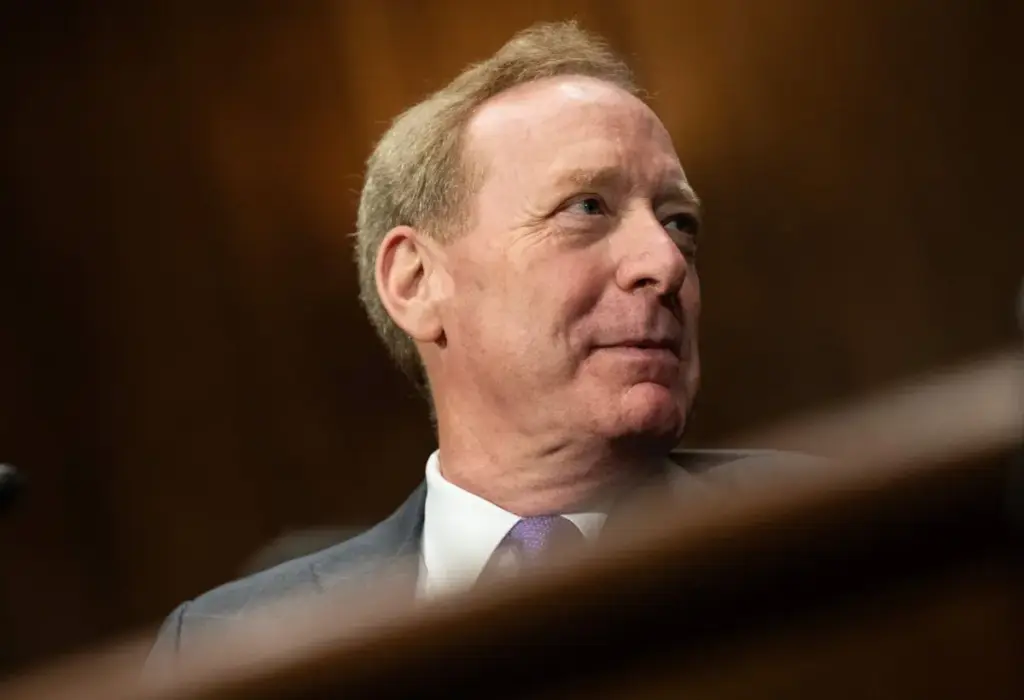
Smith’s praise for the UK was not merely a polite gesture but reflected a broader consensus within the professional technology sector. He noted that if experts in the field were asked to name a country that currently leads in the technical capability to monitor and regulate AI, many would point to the UK. This perception is bolstered by the UK’s attempt to carve out a middle ground in AI governance—avoiding the perceived over-regulation of the European Union while maintaining a more structured approach than the United States. Smith observed that in Washington D.C., the UK is viewed through a different lens than Brussels. This unique diplomatic position, he argued, is a strength that could allow the UK to act as a bridge between different global powers, bringing people together through a "soft but firm" approach to international safety standards.
This push for a new regulatory era was echoed by Microsoft Chief Executive Satya Nadella, who shared his thoughts in a detailed blog post over the weekend. Nadella’s comments focused on what he termed a "trust architecture" for the new era of intelligence. He argued that as AI becomes more integrated into the fabric of daily life and business operations, the responsibility for its actions cannot be outsourced. Nadella was clear in his assessment that a model provider’s assurances—the promises made by the companies that build the underlying AI—are not enough to relieve the users or the developers of their ultimate responsibility. He called for the development of systems built around several core principles: observability, model diversity, verifiability, and independent auditability.
Nadella’s vision for AI safety involves a high degree of transparency and containment. He argued that models should be tightly contained from their inception, ensuring they operate within predefined boundaries. Furthermore, he emphasized the need for quick disclosure of any incidents. By advocating for "independent auditability," Nadella is supporting a move away from the "black box" nature of current AI development, where only the developers truly understand how a model reaches its conclusions. In his view, the ability for external parties to verify the safety and integrity of a model is essential for maintaining public trust.
Interestingly, Nadella adopted the term "Super Intelligence" in his writing, a phrase that has gained traction in political circles, most notably with Donald Trump. While the terminology may align with that used by the former president, the underlying policy preferences remain distinct. Trump has frequently voiced a more libertarian view of the AI sector, arguing that companies should largely be left to police themselves. His primary concern has been that excessive regulation could "stifle" innovation, potentially causing the United States to lose its competitive edge against global rivals. This tension between the need for safety and the desire for rapid innovation remains one of the most significant debates in the tech industry.
 Helpdesk & IT Service Management (ITSM)
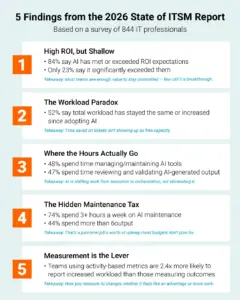
The Hidden Complexity of Efficiency: SolarWinds Report Reveals the Dual Nature of AI in the Modern Service Desk
The promise of artificial intelligence within Information Technology Service Management (ITSM) has...
 Helpdesk & IT Service Management (ITSM)
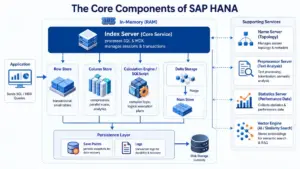
Decoding SAP HANA Architecture: How In-Memory Processing Redefines Enterprise Data Management
In the rapidly evolving landscape of enterprise technology, the ability to process...
 Helpdesk & IT Service Management (ITSM)
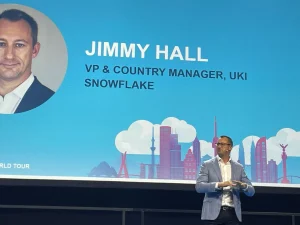
Snowflake World Tour London: Moving Beyond AI Hype to the Era of the Agentic Enterprise
LONDON — The conversation surrounding artificial intelligence has reached a critical inflection...







