Meta has officially expanded the capabilities of its personal artificial intelligence agent, Muse, by integrating the assistant directly into Instagram. The update, announced on Tuesday, November 24, 2026, introduces a suite of features designed to make Muse significantly more practical and accessible for users as they navigate their social media feeds, manage saved content, and communicate within the application. By embedding Muse directly into core Instagram functions, Meta is transitioning its AI assistant from a separate, destination-based tool into a proactive personal helper that lives natively within the social platforms millions of people use every day.
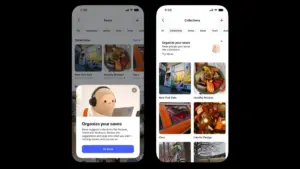
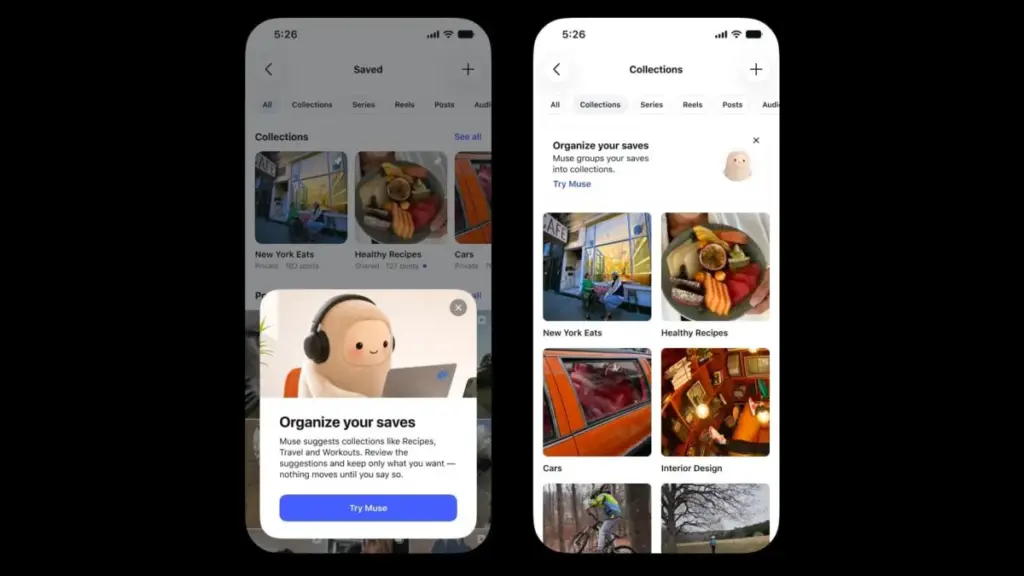
A key highlight of the new Instagram integration is Muse’s ability to interact with and organize content that users bookmark on the platform. Traditionally, saved posts on Instagram accumulate in a generic repository unless users manually construct custom folders to categorize them. Under the new update, Muse can take over this organizational workload by automatically analyzing saved posts and structuring them into intuitive, curated collections. For users who bookmark content related to vacation planning, landmarks, or flight recommendations, Muse can process those saved posts and compile them directly into structured travel itineraries.
The content management capabilities of Muse also extend to culinary and food-related content found on Instagram. When users save posts that feature food recipes, cooking demonstrations, or ingredient breakdowns, Muse can automatically read through the content of those posts and generate comprehensive grocery lists based on the required items. This feature aims to bridge the gap between media consumption and real-world task execution, allowing users to move seamlessly from discovering a recipe video in their feed to having an actionable shopping list ready for their next trip to the store.
The availability of this post-organization feature is launching first in select North American markets. Meta confirmed that users located in the United States and Canada will be the first to experience the new option. When a user in these regions saves a post on Instagram, the app will display a direct prompt offering them the choice to have Muse step in and organize the content into collections, travel schedules, or recipe shopping lists.
In addition to transforming how users manage saved content, Meta is also bringing Muse directly into Instagram Direct Messages. Through this integration, Muse functions as a standard conversation thread within the user’s inbox, sitting right alongside regular chats with friends and family. Users can open a DM thread with Muse and converse with the AI agent using natural text prompts. This messaging interface allows users to inquire about specific posts they encounter, ask follow-up questions about shared media, or request quick summaries to catch up on missed content and updates from across their feed.
As noted in reporting by TechCrunch, bringing Muse into Instagram Direct Messages solves a major point of friction for users by doing away with the need to constantly switch back and forth between different apps. Prior to this native integration, users who wanted to process social media information through Meta’s AI agent would have to leave the Instagram application, launch the standalone Muse app, paste or input their query, and then return to Instagram. By embedding the agent directly inside Instagram DMs, users can interact with the AI assistant seamlessly without ever leaving their active browsing session.
Despite functioning inside the Instagram interface, conversations held with Muse remain connected to Meta’s broader app ecosystem. Meta has established a synchronized backend system where any interaction or dialogue initiated with Muse inside Instagram Direct Messages will automatically generate and appear as a side chat within the standalone Muse application. This cross-app continuity ensures that users can move between the standalone Muse app and Instagram without losing their conversation histories, organized lists, or previously queried details.
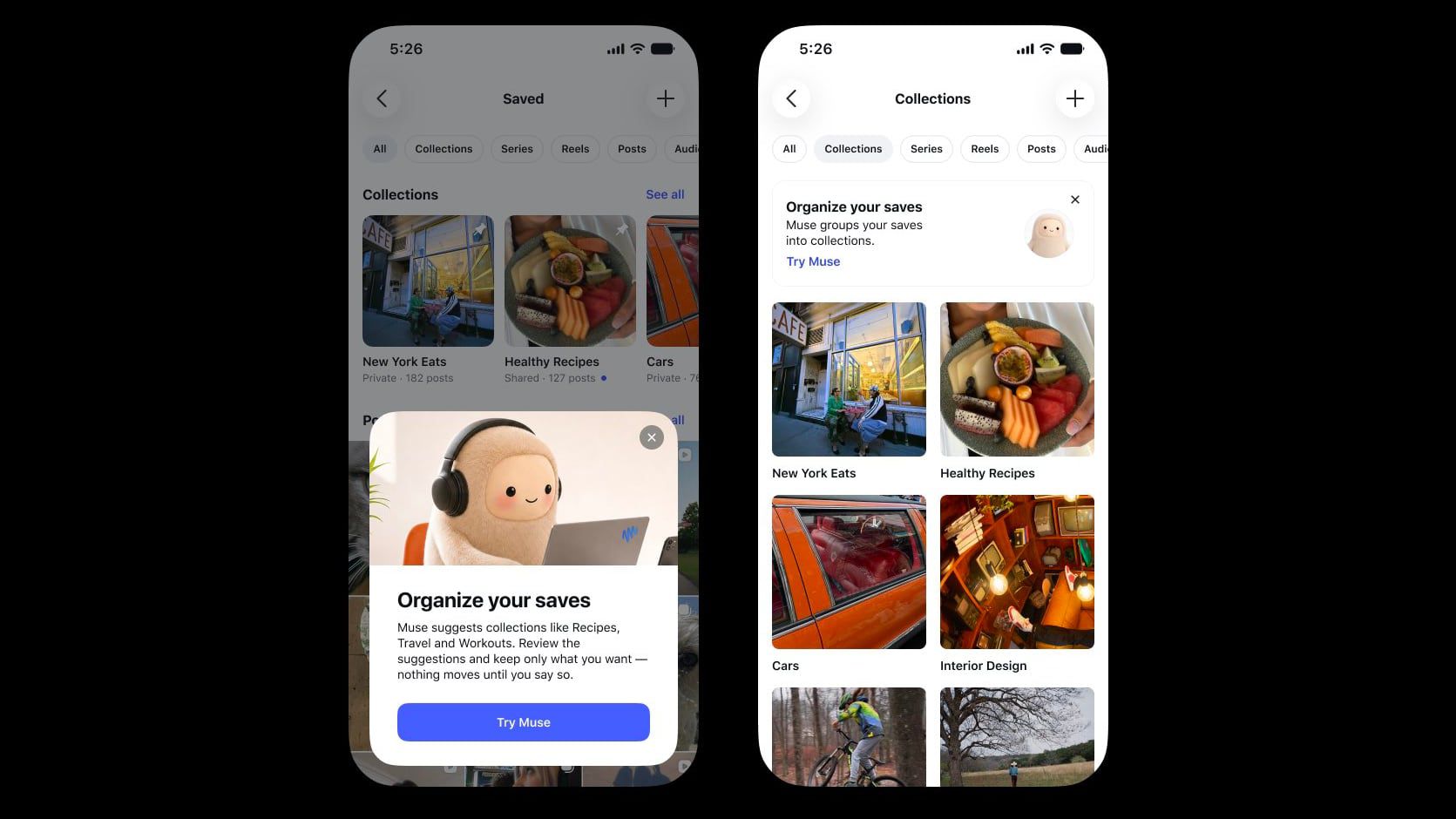
Amid growing industry focus on AI privacy and autonomous action, Meta has established clear boundaries regarding how Muse operates within a user’s account. The company explicitly stated that Muse will not make any changes to a user’s saved posts, alter account settings, or perform actions on a user’s behalf without first receiving explicit authorization. By requiring permission before taking action, Meta aims to provide users with a secure and predictable experience where the AI assistant acts solely upon user direction.
The feature rollout for Muse in Instagram Direct Messages is beginning immediately across five key international markets. Starting today, November 24, 2026, users located in the United States, Canada, Mexico, Japan, and Singapore will begin gaining access to Muse within their Instagram DM inboxes. Meta plans to monitor the deployment in these initial regions as it continues to refine the assistant’s performance across different languages and user bases.
The integration of Muse into Instagram represents just one component of Meta’s broader rollout schedule for its personal AI agent technology. On the same day as the Instagram announcement, Meta also expanded the reach of its standalone Muse assistant to international markets by officially launching the service in the United Kingdom on Tuesday, November 24, 2026. The UK launch follows the initial debut of Muse in the United States in September 2026, marking a continuing global expansion of Meta’s flagship AI utility.
Meta designed Muse to function as a fully fledged personal AI agent capable of carrying out complex tasks on behalf of users, rather than serving merely as a basic conversational chatbot. In its standalone form, Muse can execute practical, multi-step actions, such as drafting and sending emails or researching and booking travel accommodations. To give the assistant a distinct consumer identity, Meta created a signature yeti-like character that serves as the visual avatar for Muse across its dedicated standalone application.
Beyond standalone mobile apps and social feeds, Meta has systematically embedded Muse into popular messaging services, including WhatsApp. By offering Muse on WhatsApp, Meta enables users to interact with the personal assistant within one of the world’s most widely used messaging platforms, allowing them to issue commands, manage tasks, and retrieve information through familiar chat interfaces.
Meta’s ecosystem push for Muse has also extended to wearable software. On Monday, November 9, 2026, Meta rolled out a major software update to the Muse iOS app that officially brought the AI assistant to the Apple Watch platform. This smartwatch application brings the character of Muse straight to the user’s wrist, providing instant access to the proactive agent through multiple input formats. Apple Watch owners can communicate with Muse by typing text messages, dictating voice commands, or initiating direct voice calls to the assistant. The app also introduced a dedicated Muse watch face complication, enabling users to launch and consult the AI agent with a single tap on their watch display.
Taken together, the expansion of Muse into Instagram DMs, saved content organization, WhatsApp, Apple Watch, and new international markets highlights Meta’s strategy to construct an interconnected, ubiquitous AI assistant ecosystem. By meeting users where they already spend their digital time—whether scrolling through Instagram feeds, messaging friends, or checking a smartwatch—Meta is attempting to turn Muse into an essential daily utility. As the rollout of Instagram DM support and content organization tools progresses across the U.S., Canada, Mexico, Japan, and Singapore, users will begin experiencing a far more integrated and automated way to manage their social media content and daily digital tasks.
 macOS & Apple IT Support
Apple Confirms iPhone 18 Pro Max Cellular Outage on AT&T Network, Recommends Full Device Replacement for Affected Hardware
Apple has officially acknowledged a persistent technical issue impacting its latest flagship...
 macOS & Apple IT Support
Apple Executive Addresses Lack of 120Hz ProMotion Display on New OLED iPad Mini
Apple has officially unveiled its long-awaited new iPad mini, featuring a landmark...
 macOS & Apple IT Support
Hands-On With Apple’s New OLED Touchscreen MacBook Pro
It has been half a decade since Apple last delivered a ground-up...