
Defining the Boundaries of Automation
While the benefits of scheduled workflows are clear, the creators of aiFetchly are careful to delineate what the technology is not meant to replace. They emphasize that automation should not be seen as a substitute for sales judgment, the cultivation of customer relationships, or the careful reading of complex documents. The most effective use of AI is in the repetitive, predictable components of a job: the collecting, sorting, and drafting of information based on known facts.
There are certain scenarios where automation is explicitly discouraged. If a message from a customer is ambiguous, expresses anger, or involves commercially sensitive information, the recommended workflow is to pause the automated process and hand the task over to a human professional. The aiFetchly team suggests a simple litmus test for any automated task: if a team member would not feel comfortable sending a draft without reading it first, then the final sending step should not be automated. This conservative approach to automation helps prevent the reputational damage that can occur when an AI misinterprets the tone or intent of a high-stakes communication.
Accessibility and the Open-Source Model
In a market often characterized by opaque pricing and "black box" algorithms, aiFetchly has opted for a more transparent model. The project offers a Community edition that is free to use, catering to the open-source community and small startups looking to experiment with local AI. For teams requiring more robust capabilities, the Plus tier is available starting at $10 per month. This paid version includes exclusive features such as the AI Content Assistant, which provides more advanced drafting and analysis tools.
By offering a free entry point, the aiFetchly team allows businesses to assess the value of the tool and the volume of their automation needs before committing to a financial investment. This approach aligns with the project’s broader goal of empowering small teams with tools that were previously only available to large corporations with significant IT budgets.
The development team also provides resources to help users understand the practical applications of the technology, including video demonstrations that show the AI agent in action—replying to emails using only local knowledge. These resources are part of an effort to demystify AI and show how it can be applied to solve the very specific, mundane problems that hinder small business efficiency.
As the conversation around AI shifts from theoretical potential to practical application, tools like aiFetchly represent a new category of "quiet" productivity software. They do not aim to replace the workforce, but to provide the structural support that allows small teams to operate with the discipline and consistency of a much larger organization. By focusing on local-first data management and human-centric workflows, aiFetchly is positioning itself as a vital utility for the modern, lean business.
 Software Development & Scripting for IT
New Tool and Audit Reveal Common Structural Failures in the Emerging llms.txt Standard
As artificial intelligence agents and large language models increasingly become the primary...
 Software Development & Scripting for IT
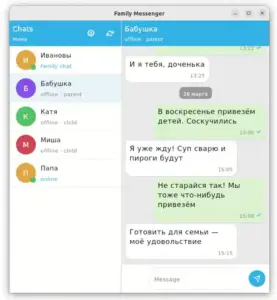
Architecting Complexity: How a Structured Multi-Prompt Strategy Enabled an AI Agent to Build a Multi-Platform Messenger
In the rapidly evolving landscape of artificial intelligence, the narrative has shifted...
 Software Development & Scripting for IT
Supply Chain Hijack: How a Vulnerability in Optimizely Turned Trusted Scripts into Weapons for Financial Theft and iOS Exploitation
On November 16, a sophisticated supply chain attack exploited a critical vulnerability...







