
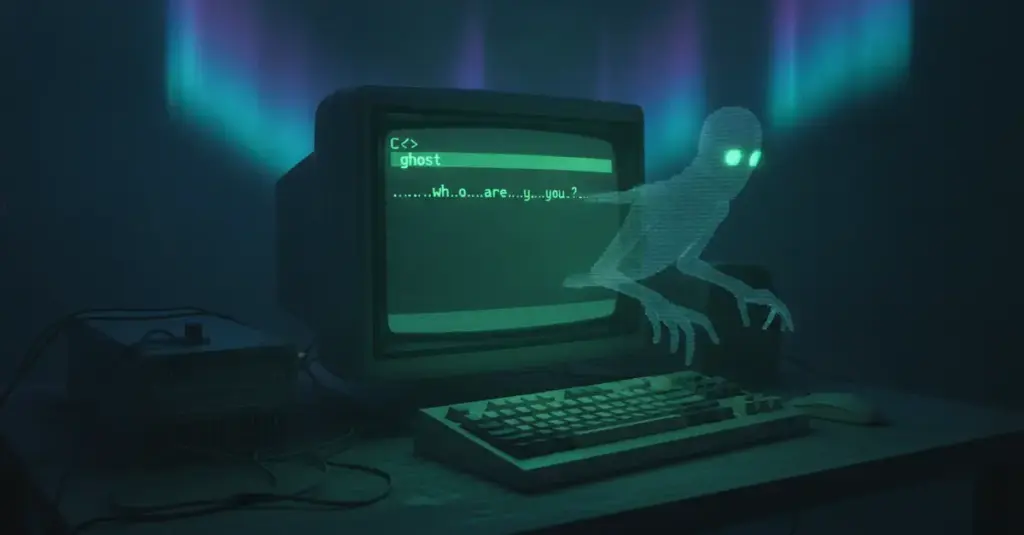
One of the primary advantages of this setup is the ability to customize the AI’s personality directly within the code. By modifying the script.js file, users can change the system prompts or even swap the underlying model for a different open-weight alternative. This level of control is often impossible with closed-source AI platforms, where the provider dictates the behavior and guardrails of the model.
The project structure is intentionally lean, consisting of only four primary files: index.html for the structure, style.css for the terminal’s visual design, script.js for the logic and AI communication, and a README.md for documentation. This simplicity is a hallmark of effective open-source contributions, allowing the community to quickly grasp the project’s mechanics and begin experimenting with their own iterations.
The Significance of Open Innovation
The "Ghost in the Machine" project is more than just a seasonal novelty; it serves as a case study for the importance of open innovation in the age of AI. During the Hacktoberfest challenge, developers were encouraged to explore how open-source tools can make AI more accessible and transparent.
For Ahirwar, the decision to keep the AI layer local was a matter of principle. Open innovation allows for a level of transparency that cloud-based services cannot match. When a model runs locally, the user has full visibility into how their data is being handled. There are no concerns about prompts being used to train future iterations of a corporate model without consent, and there is no risk of the service being suddenly discontinued or hidden behind a paywall.
Furthermore, this approach democratizes the development of AI-powered applications. Because the project does not require expensive API keys or high-bandwidth internet connections, it can be run on a wide variety of hardware, including laptops that may not have top-tier specifications. This accessibility is vital for fostering a global community of developers who can contribute to the evolution of AI without being gatekept by financial or geographical barriers.
The developer noted that the project thrives on the idea that AI should not be a "black box." Instead, it should be a tool that is easy to understand, modify, and extend. By keeping the codebase small and the dependencies minimal, "Ghost in the Machine" invites others to take the "ghost" and turn it into something entirely new—perhaps a digital assistant, a storytelling engine, or a pedagogical tool for teaching command-line basics.
Redefining the Human-Computer Interface
The inspiration for the project came from a fundamental question: "What if your terminal could talk back?" In the professional life of a software engineer or system administrator, the terminal is a tool of absolute logic. It is a place of syntax, variables, and deterministic outcomes. By introducing an AI with a "ghostly" personality into this environment, the project disrupts the user’s expectations.
A normal terminal is predictable. A command results in a specific action. However, the "Ghost in the Machine" introduces an element of the uncanny. The AI’s responses are not always predictable, and its persona is designed to be slightly unsettling. This transforms the familiar act of typing into a terminal into a narrative experience.
 Software Development & Scripting for IT
The High Stakes of Autonomy: Navigating the Promise and Peril of AI in Security Operations
The modern Security Operations Center (SOC) is currently undergoing a radical transformation....
 Software Development & Scripting for IT
Unmasking Node2Shell: The Critical Brotli Vulnerability That Blinded Security Scanners
The cybersecurity landscape shifted significantly this week as a major vulnerability in...
 Software Development & Scripting for IT
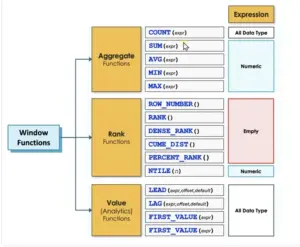
The Evolution of Data Analysis: Mastering the Power of SQL Window Functions
In the modern landscape of data-driven decision-making, Structured Query Language (SQL) remains...







