
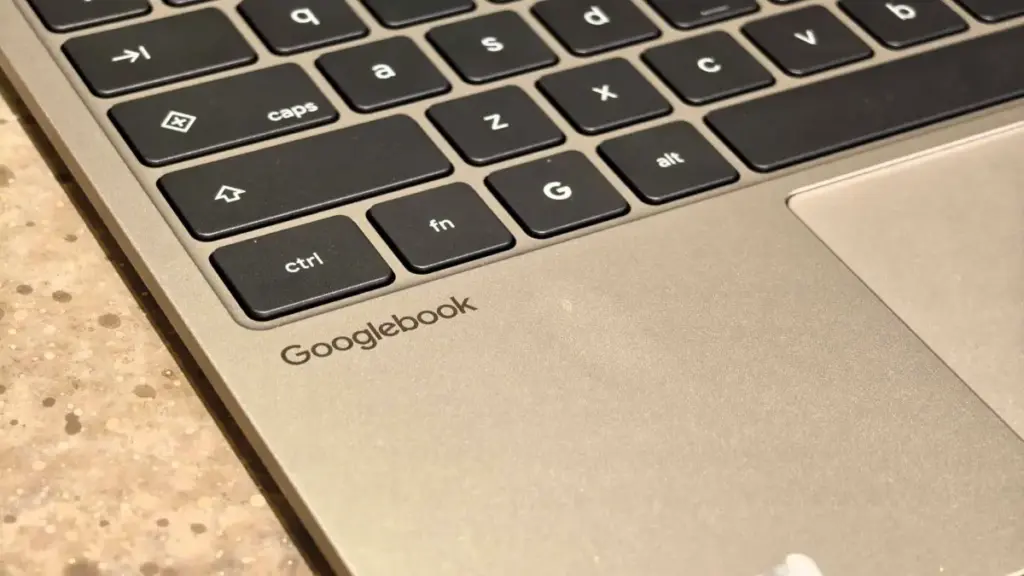
Google has officially begun the deployment of its November system update for the Googlebook platform, introducing a comprehensive suite of optimizations designed to refine the user experience and address several lingering hardware and software inconsistencies. This latest release, which carries the build number CL3B.260622.286.R2, represents a significant milestone for the burgeoning ecosystem of high-performance laptops, particularly those powered by the Snapdragon X Elite architecture. By prioritizing memory management and hardware-software synergy, Google appears to be addressing the "growing pains" often associated with first-generation hardware platforms.
The update arrives at a critical juncture for Googlebook, as the platform seeks to solidify its position as a viable alternative for both creative professionals and general consumers. While the initial launch of these devices showcased impressive hardware capabilities, early adopters occasionally noted friction points regarding how the system balanced its ambitious on-device artificial intelligence features with traditional computing tasks. The November patch is a direct response to those observations, offering a more polished and reliable operating environment.
Revolutionary Gains in Memory Management and AI Efficiency
The most impactful enhancement found in the November update involves a fundamental restructuring of how Googlebook handles system resources dedicated to artificial intelligence. In modern computing, on-device AI has become a cornerstone of the user experience, powering everything from live translations to advanced image processing. However, these features often come at a high cost to system memory.
Through a combination of an updated Neural Processing Unit (NPU) driver and deep optimizations to the AICore memory management system, Google has successfully reclaimed a substantial amount of system RAM. According to technical details shared by Google’s Mishaal Rahman via Reddit, the update frees up between 3GB and 6GB of system RAM that was previously reserved or inefficiently utilized by background AI services.
For a standard Googlebook configuration equipped with 16GB of RAM, a 6GB "bonus" in available memory is transformative. In practical terms, this allows the system to maintain a significantly higher number of active browser tabs and background applications without resorting to disk swapping, which can slow down performance. This optimization ensures that the dedicated AI hardware—the NPU—operates with greater precision, ensuring that "smart" features are available when needed without acting as a constant drain on the resources required for everyday productivity.
Furthermore, the Google Chrome browser, which serves as the primary interface for many users, is expected to exhibit much more stable behavior under heavy workloads. The update introduces a more sophisticated mechanism for reclaiming memory when background AI services enter a state of contention with browser processes. Historically, if the system ran low on memory, it might aggressively terminate browser tabs to keep the core OS running. The new update mitigates this by intelligently prioritizing active processes, thereby reducing the frequency of unexpected tab reloads and system crashes. This refinement addresses one of the most common frustrations for power users who rely on dozens of open tabs for research and multitasking.
Enhancing Hardware Versatility and Peripheral Support
Beyond the invisible improvements to memory and kernel efficiency, the November update brings a long list of fixes for the physical and peripheral interactions that define the Googlebook experience. One of the most notable corrections affects convertible devices—laptops designed with 360-degree hinges that allow them to function as tablets.
Prior to this update, some users reported a frustrating bug where the keyboard and touchpad would fail to re-enable or respond correctly when transitioning from tablet mode back to laptop mode. This software-handshake failure often forced users to restart their devices to regain input functionality. The November patch resolves this logic error, ensuring that the transition between form factors is seamless and that the hardware remains responsive regardless of how the device is oriented.
Connectivity and multimedia performance also receive significant attention in this release. For users who utilize their Googlebooks as entertainment hubs, the update resolves a persistent issue involving Digital Rights Management (DRM) and external displays. Previously, attempting to stream protected content from services like Netflix or Disney+ on a secondary monitor would often result in a "black screen" or an error message, even if the hardware supported the necessary encryption standards. The November update patches these DRM handshakes, allowing for smooth, high-definition playback on external screens.
Audio professionals and content creators will also find value in the improved support for USB microphones and multichannel audio interfaces. These devices, which are essential for podcasting and music production, should now be recognized more reliably by the system, with fewer instances of driver failure or input lag. Additionally, Bluetooth stability has been bolstered, specifically targeting the synchronization between audio and video signals. By reducing latency and improving the reconnection logic for wireless mice and peripherals, Google is making the wireless ecosystem more dependable for both work and play.
Advancements for Linux Development and Core Security
Google continues to court the developer community by introducing substantial improvements to the Linux Terminal (Beta) environment. For many professionals, the ability to run a local Linux virtual machine (VM) is a primary reason for choosing a Googlebook. The November update addresses several "quality of life" issues that have previously hindered the developer workflow.
Among the improvements is a fix for shell sessions that would often hang or disconnect after the device entered sleep mode. By making these sessions more resilient to power-state changes, Google is helping developers maintain their focus without needing to frequently re-establish remote connections. The update also enhances SSH port forwarding and multi-window management within the Linux environment, providing a more cohesive experience that feels integrated with the rest of the OS rather than like a separate, siloed application.
Crucially, Google has addressed a memory leak associated with closing terminal tabs and has made the Linux VM update process "less destructive." In previous iterations, certain system updates risked resetting custom configurations or affecting user storage within the Linux container. The new logic preserves user-defined SSH configurations and storage structures, providing a safer environment for long-term project development.
On the security front, the update is equally robust. It incorporates the Android security patch for November 1, 2026, which addresses approximately 60 vulnerabilities ranging from low-priority bugs to critical exploits. The underlying system has also been updated to the Linux 6.18 kernel, providing a more modern foundation for hardware drivers and system calls. Furthermore, the Ti50 security chip—Google’s dedicated silicon for hardware-level protection—has received a firmware update. This specific fix is aimed at resolving rare but disruptive hardware behaviors, such as unexpected restarts, boot loops, and "noisy fan" syndromes where the cooling system would rev up unnecessarily due to sensor errors.
Deployment and Initial User Reception
The November update is being rolled out via a staged deployment, a common practice used to ensure that any unforeseen bugs do not affect the entire user base simultaneously. Supported models from major manufacturers, including Acer, ASUS, Lenovo, HP, and Dell, are scheduled to receive the update over the coming days. Users can manually check for the update by navigating to Settings, selecting System, and then clicking on System Update.
Initial feedback from the community, particularly on forums like Reddit, has been cautiously optimistic. Many users have already reported a noticeable increase in system snappiness, attributing the change to the freed-up RAM and the more efficient NPU drivers. "The difference in tab management is night and day," noted one early adopter, echoing the sentiment that the 6GB memory reclaim is the update’s standout feature.
However, as with any major software release, the rollout has not been entirely without hitches. Some users have reported minor regressions, including issues with the Chrome spell-check feature and inconsistencies with notification syncing after the device wakes from an extended sleep period. Google is expected to address these smaller bugs in subsequent "point releases" as the rollout continues.
Ultimately, the November update represents a maturing of the Googlebook platform. By focusing on the fundamentals of memory management, hardware reliability, and developer tools, Google is signaling its commitment to making these devices more than just "cloud machines." With 6GB of extra breathing room and a more stable kernel, the Googlebook is better positioned to handle the demanding, AI-integrated future of personal computing.
 Mobile Device Management (MDM) & Mobile OS
TOPDON Announces Significant Black Friday Discounts on Automotive Diagnostic Tools and Winter Emergency Equipment
As the winter season approaches, bringing with it plummeting temperatures and unpredictable...
 Mobile Device Management (MDM) & Mobile OS
Spotify Expands AI DJ Experience with Diverse New Voice Personas and Enhanced Commentary Controls
In the rapidly evolving landscape of digital music streaming, few features have...
 Mobile Device Management (MDM) & Mobile OS
Amazon Rebrands Kindle Unlimited to Kindle Plus, Integrating AI-Narrated Audiobooks into the Subscription Ecosystem
In a significant move to modernize its digital reading ecosystem and streamline...







