
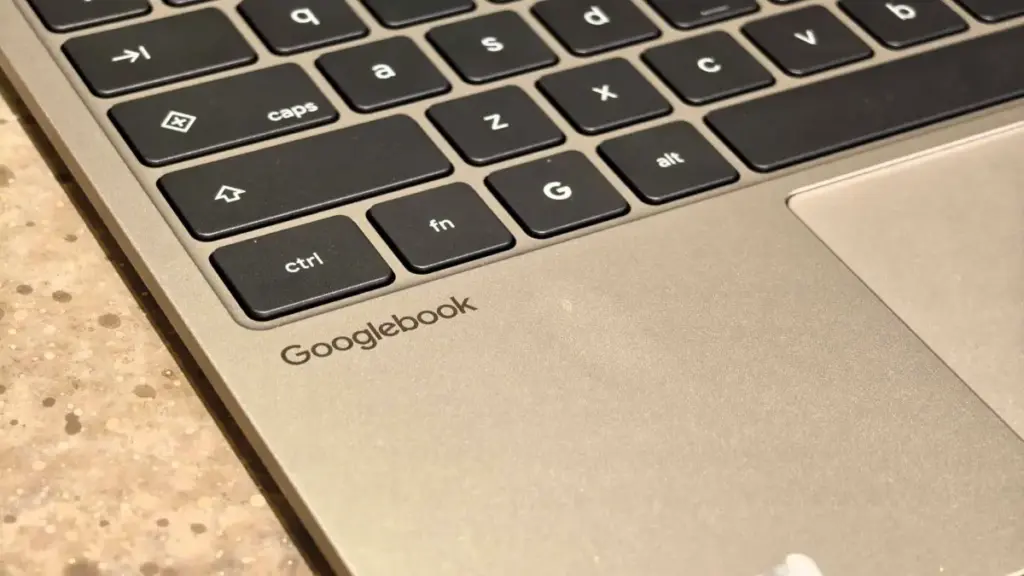
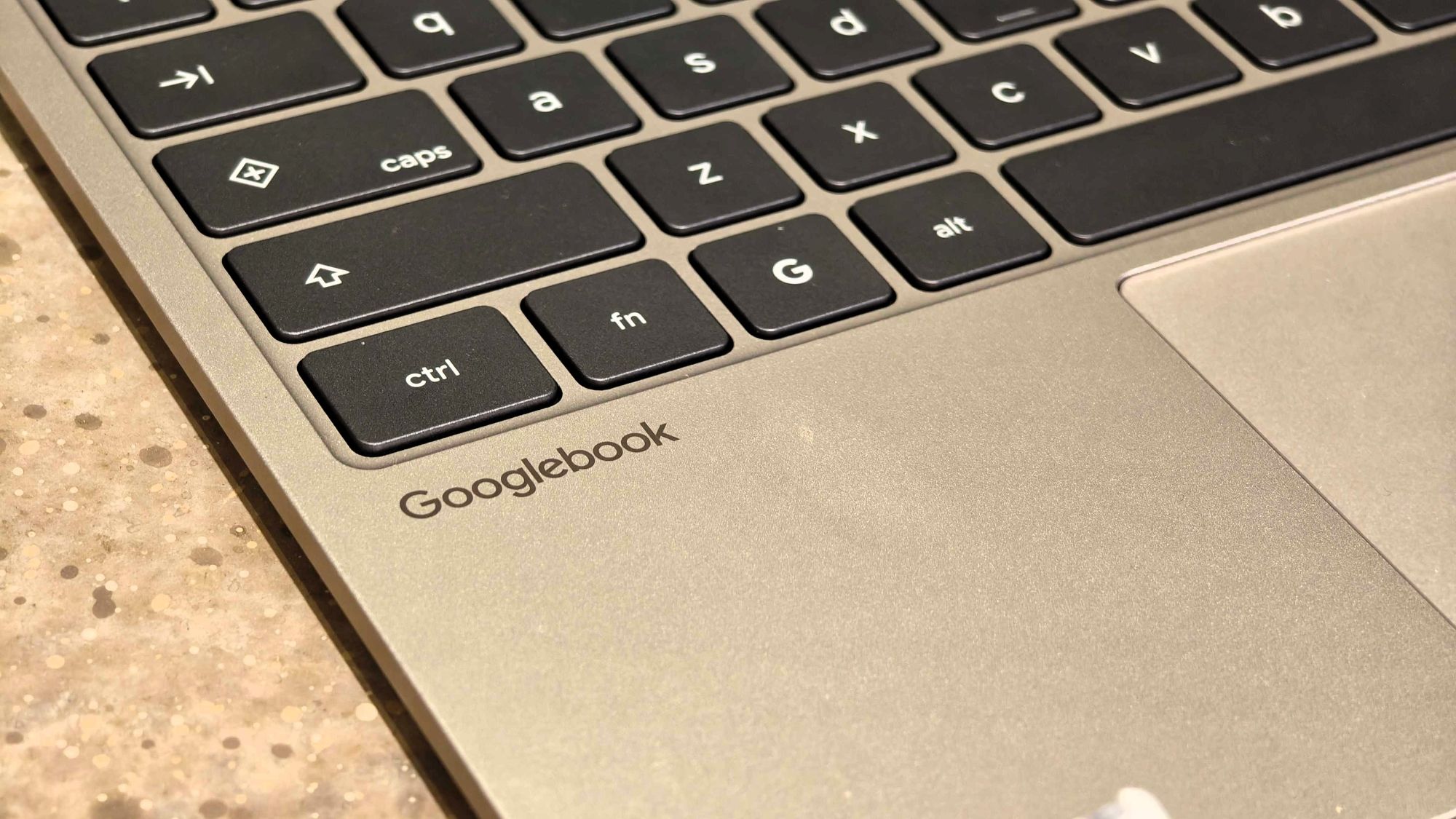
Enhancing Hardware Versatility and Peripheral Support
Beyond the invisible improvements to memory and kernel efficiency, the November update brings a long list of fixes for the physical and peripheral interactions that define the Googlebook experience. One of the most notable corrections affects convertible devices—laptops designed with 360-degree hinges that allow them to function as tablets.
Prior to this update, some users reported a frustrating bug where the keyboard and touchpad would fail to re-enable or respond correctly when transitioning from tablet mode back to laptop mode. This software-handshake failure often forced users to restart their devices to regain input functionality. The November patch resolves this logic error, ensuring that the transition between form factors is seamless and that the hardware remains responsive regardless of how the device is oriented.
Connectivity and multimedia performance also receive significant attention in this release. For users who utilize their Googlebooks as entertainment hubs, the update resolves a persistent issue involving Digital Rights Management (DRM) and external displays. Previously, attempting to stream protected content from services like Netflix or Disney+ on a secondary monitor would often result in a "black screen" or an error message, even if the hardware supported the necessary encryption standards. The November update patches these DRM handshakes, allowing for smooth, high-definition playback on external screens.
Audio professionals and content creators will also find value in the improved support for USB microphones and multichannel audio interfaces. These devices, which are essential for podcasting and music production, should now be recognized more reliably by the system, with fewer instances of driver failure or input lag. Additionally, Bluetooth stability has been bolstered, specifically targeting the synchronization between audio and video signals. By reducing latency and improving the reconnection logic for wireless mice and peripherals, Google is making the wireless ecosystem more dependable for both work and play.
Advancements for Linux Development and Core Security
Google continues to court the developer community by introducing substantial improvements to the Linux Terminal (Beta) environment. For many professionals, the ability to run a local Linux virtual machine (VM) is a primary reason for choosing a Googlebook. The November update addresses several "quality of life" issues that have previously hindered the developer workflow.
Among the improvements is a fix for shell sessions that would often hang or disconnect after the device entered sleep mode. By making these sessions more resilient to power-state changes, Google is helping developers maintain their focus without needing to frequently re-establish remote connections. The update also enhances SSH port forwarding and multi-window management within the Linux environment, providing a more cohesive experience that feels integrated with the rest of the OS rather than like a separate, siloed application.
 Mobile Device Management (MDM) & Mobile OS
T-Mobile Rejects Deeper SpaceX Partnership, Citing Satellite’s Limitations and Strategic Misalignment
In the rapidly evolving landscape of global telecommunications, the intersection of terrestrial...
 Mobile Device Management (MDM) & Mobile OS
Samsung Galaxy Buds 3 Pro Hits Record Low Price of $100 in Early Black Friday Deal
As the annual holiday shopping season approaches, the technology landscape is already...
 Mobile Device Management (MDM) & Mobile OS
Vivo Unveils X500 Series in Shanghai Featuring 8,000mAh Battery and MediaTek’s 2nm Dimensity 9600 Pro
Vivo has officially pulled back the curtain on its latest flagship smartphone...







