
Crucially, Google has addressed a memory leak associated with closing terminal tabs and has made the Linux VM update process "less destructive." In previous iterations, certain system updates risked resetting custom configurations or affecting user storage within the Linux container. The new logic preserves user-defined SSH configurations and storage structures, providing a safer environment for long-term project development.
On the security front, the update is equally robust. It incorporates the Android security patch for November 1, 2026, which addresses approximately 60 vulnerabilities ranging from low-priority bugs to critical exploits. The underlying system has also been updated to the Linux 6.18 kernel, providing a more modern foundation for hardware drivers and system calls. Furthermore, the Ti50 security chip—Google’s dedicated silicon for hardware-level protection—has received a firmware update. This specific fix is aimed at resolving rare but disruptive hardware behaviors, such as unexpected restarts, boot loops, and "noisy fan" syndromes where the cooling system would rev up unnecessarily due to sensor errors.
Deployment and Initial User Reception
The November update is being rolled out via a staged deployment, a common practice used to ensure that any unforeseen bugs do not affect the entire user base simultaneously. Supported models from major manufacturers, including Acer, ASUS, Lenovo, HP, and Dell, are scheduled to receive the update over the coming days. Users can manually check for the update by navigating to Settings, selecting System, and then clicking on System Update.
Initial feedback from the community, particularly on forums like Reddit, has been cautiously optimistic. Many users have already reported a noticeable increase in system snappiness, attributing the change to the freed-up RAM and the more efficient NPU drivers. "The difference in tab management is night and day," noted one early adopter, echoing the sentiment that the 6GB memory reclaim is the update’s standout feature.
However, as with any major software release, the rollout has not been entirely without hitches. Some users have reported minor regressions, including issues with the Chrome spell-check feature and inconsistencies with notification syncing after the device wakes from an extended sleep period. Google is expected to address these smaller bugs in subsequent "point releases" as the rollout continues.
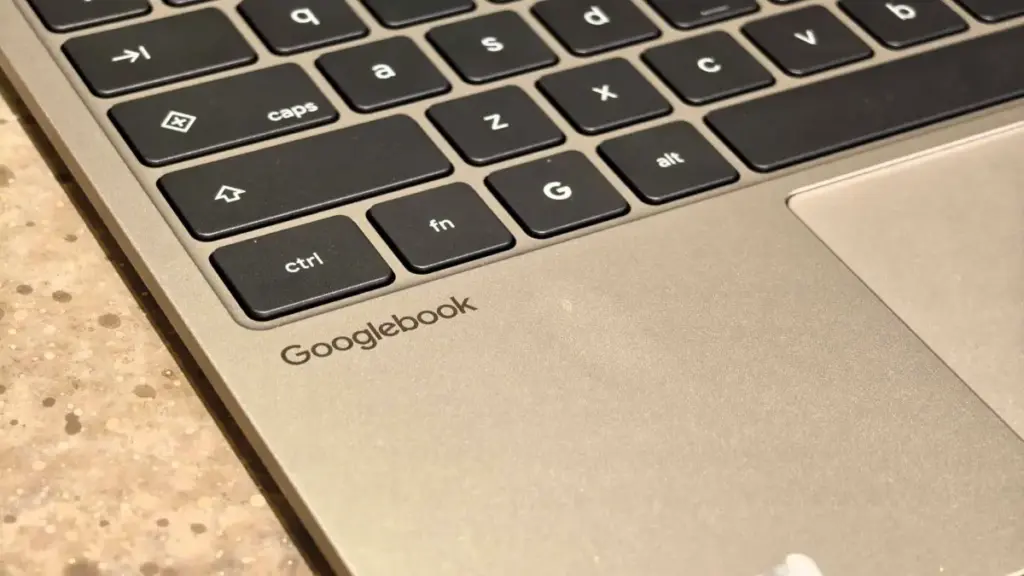
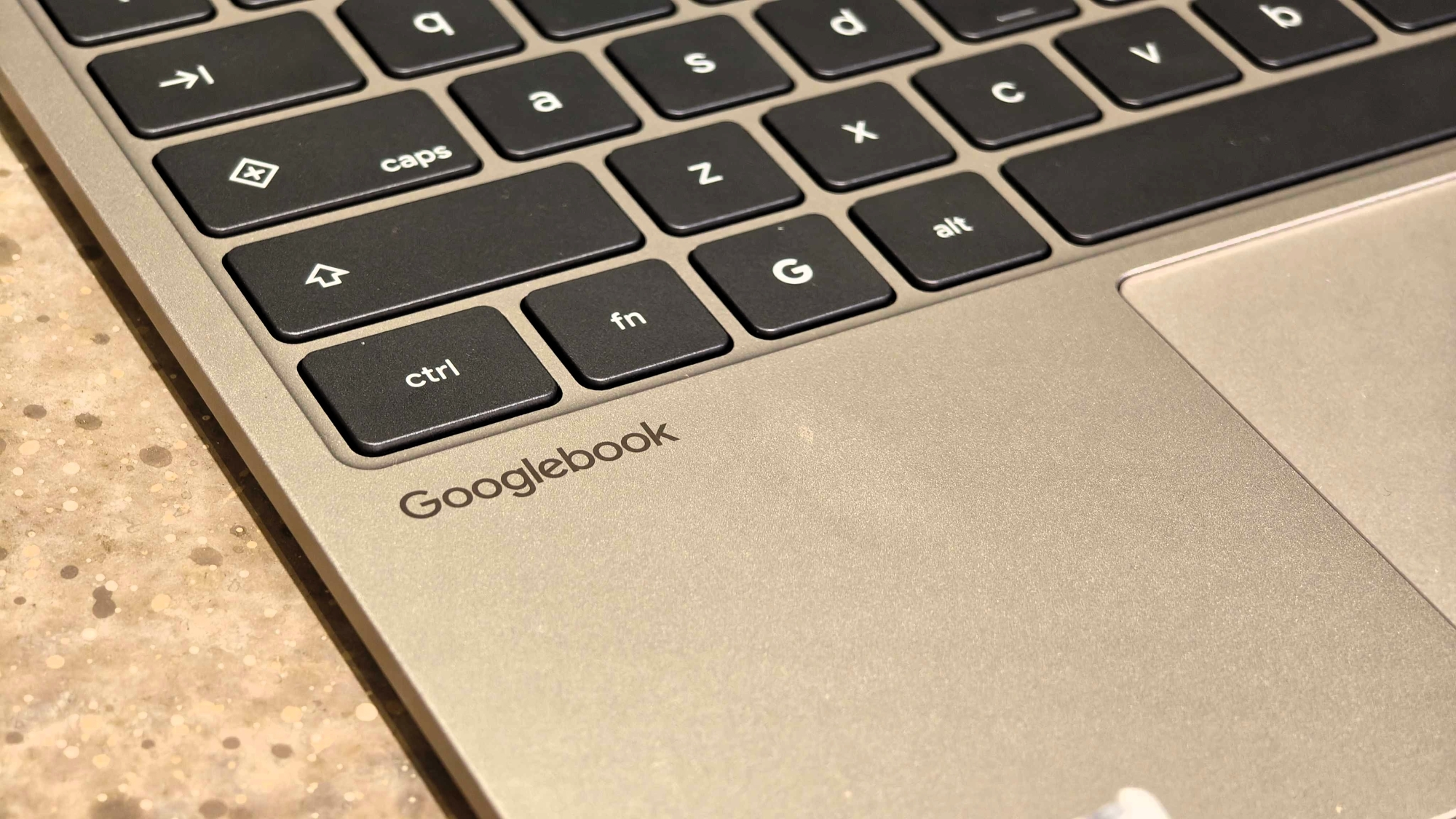
Ultimately, the November update represents a maturing of the Googlebook platform. By focusing on the fundamentals of memory management, hardware reliability, and developer tools, Google is signaling its commitment to making these devices more than just "cloud machines." With 6GB of extra breathing room and a more stable kernel, the Googlebook is better positioned to handle the demanding, AI-integrated future of personal computing.
 Mobile Device Management (MDM) & Mobile OS
TOPDON Announces Significant Black Friday Discounts on Automotive Diagnostic Tools and Winter Emergency Equipment
As the winter season approaches, bringing with it plummeting temperatures and unpredictable...
 Mobile Device Management (MDM) & Mobile OS
Peacock Unveils Major Mobile App Redesign Featuring Vertical Video, AI Search, and Interactive Fan Hubs
In an era where streaming platforms are no longer just competing for...
 Mobile Device Management (MDM) & Mobile OS
Sony WH-1000XM4 Prices Plunge to Record Lows as Black Friday Sales Begin
The annual Black Friday shopping season has officially arrived, bringing with it...







