
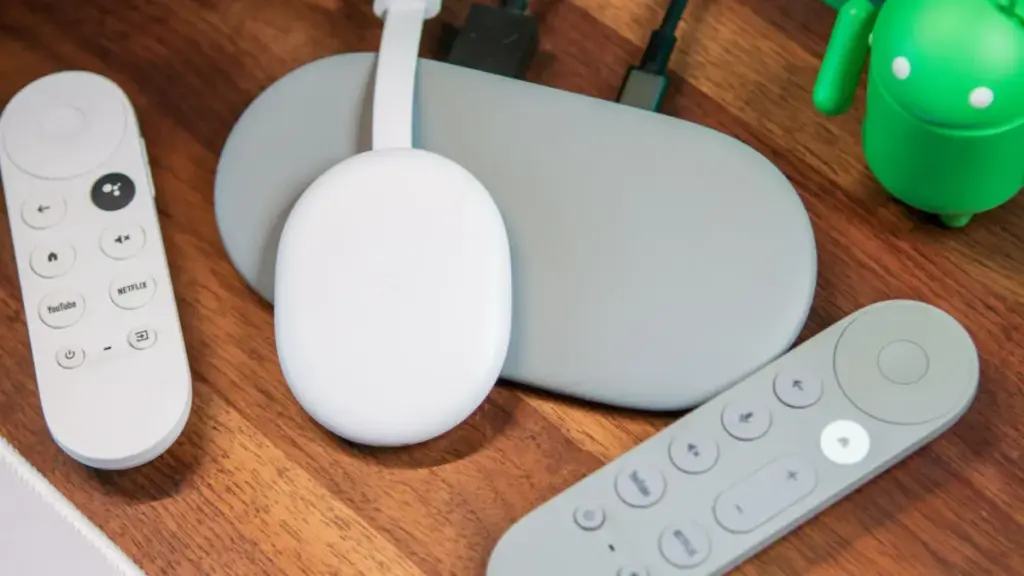
The landscape of home entertainment is shifting once again as reports emerge that Google is already deep in development for a successor to its recently released Google TV Streamer. Despite the current model only being on the market for a relatively short period, the technology giant appears to be moving aggressively to solidify its position in the premium streaming hardware space. This news comes at a pivotal moment for the company’s hardware division, which has spent the last year transitioning away from the iconic "Chromecast" branding in favor of more robust, hub-like devices designed to sit at the center of the modern smart home.
According to a detailed report from 9to5Google, this next-generation Google TV Streamer is poised to introduce several significant hardware upgrades that could fundamentally change how users interact with their televisions and smart home ecosystems. While the current Google TV Streamer was generally well-received for its performance and integrated smart home features, the rumored upgrades suggest that Google is looking to bridge the gap between a simple media player and a fully autonomous ambient computing device.
Refining the Form Factor and Aesthetic
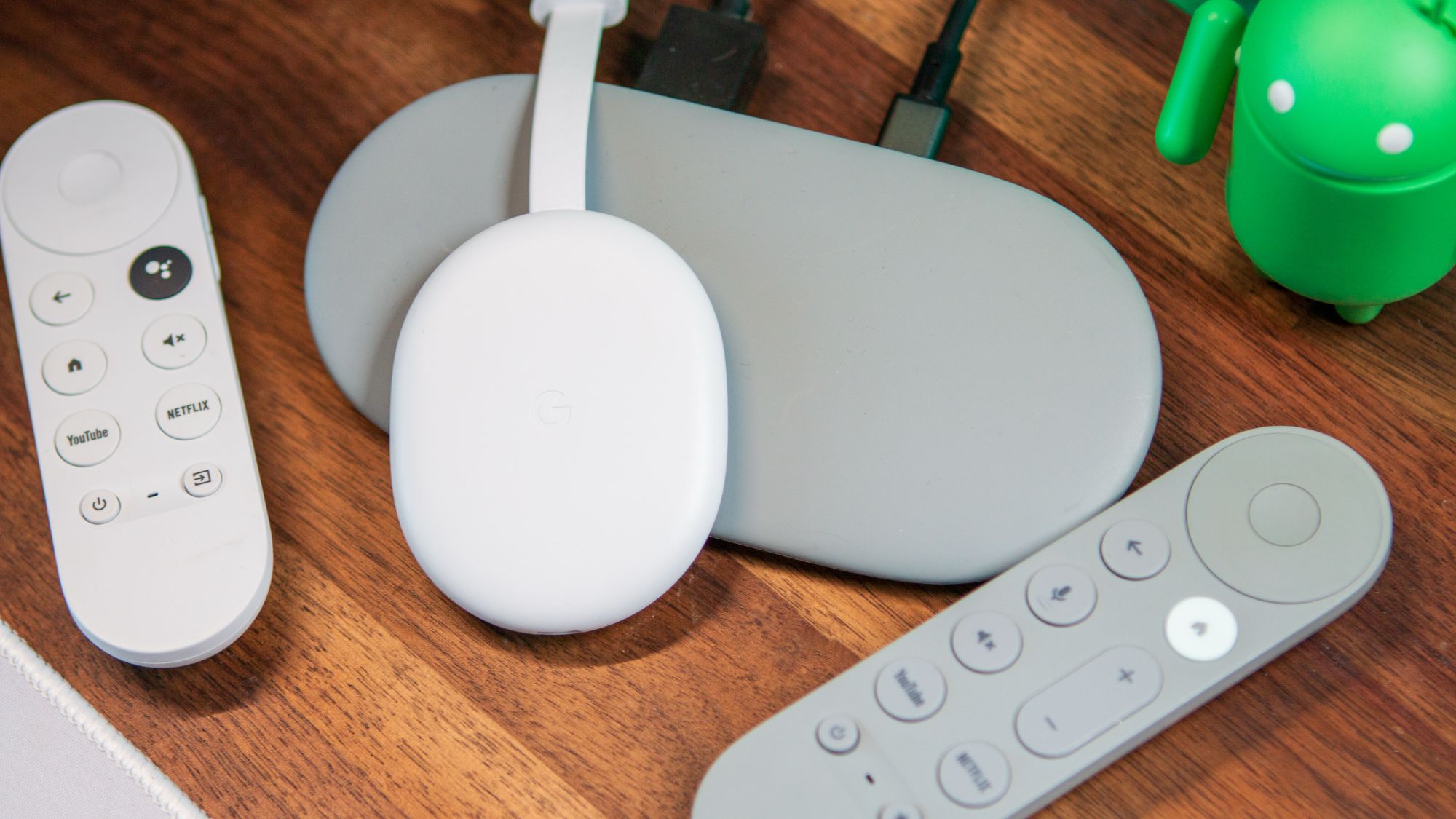
The current Google TV Streamer represented a major departure from the "dongle" design that defined the Chromecast era for over a decade. By moving to a set-top box design, Google allowed for better thermal management and a more expansive port selection. The upcoming iteration is expected to maintain this general design philosophy, though the report indicates a slight refinement in the physical footprint.
The next-generation model will reportedly be slightly narrower than the current version. This move toward a more compact design suggests that Google is listening to feedback regarding shelf space and living room aesthetics. While the current model’s low-profile, slanted design was intended to blend into home decor, a narrower chassis could make it even easier to tuck away in crowded entertainment centers or place alongside other gaming consoles and soundbars.
However, the most impactful changes are expected to be found inside the device rather than on its exterior. The report suggests that the core of the upgrade cycle is focused on making the device more "aware" of its surroundings and more capable of handling the increasing demands of artificial intelligence.
Hands-Free Interaction and the Integration of Gemini
One of the most significant rumored additions to the new Google TV Streamer is the inclusion of built-in, far-field microphones directly on the device itself. Currently, users who wish to utilize voice commands—whether to search for a specific show, control their smart lights, or ask a general question—must reach for the remote and hold down the dedicated Google Assistant button.
By integrating microphones into the streamer’s base, Google would effectively turn the device into a "Nest Mini for the TV." This would allow for hands-free "Hey Google" functionality, enabling users to interact with their television from across the room without ever touching a remote. This move aligns perfectly with Google’s broader strategy of integrating its Gemini AI into every facet of its ecosystem.
With Gemini becoming the primary intelligence behind Google’s services, a hands-free Google TV Streamer could act as a sophisticated AI concierge. Users could potentially ask for complex recommendations, such as "Find me a sci-fi movie from the 90s that I haven’t seen yet," or manage their entire smart home through voice commands that are processed and executed through the TV’s interface. This evolution marks a shift from the TV being a passive screen to an active, conversational hub.
Presence Sensing and Ambient Intelligence
Beyond voice control, Google is reportedly exploring the addition of presence-sensing technology. This feature is not entirely new to the industry—some high-end TCL smart TVs have experimented with similar sensors—but its inclusion in a standalone streaming box would be a first for Google’s hardware lineup.
Presence sensing would allow the Google TV Streamer to detect when a person enters or leaves the room. This capability opens the door for several "quality of life" features. For instance, the device could automatically wake the TV from sleep mode when it senses someone nearby, immediately presenting a personalized dashboard. This dashboard could display a Google Photos screensaver, current weather conditions, upcoming calendar events, or even a summary of smart home notifications.
Conversely, the device could also help with energy conservation by automatically pausing content or turning off the display when it detects that the room has been empty for a certain period. This level of ambient intelligence is a key pillar of Google’s "Helpful Home" vision, where technology anticipates the user’s needs rather than waiting for manual input.
Boosting Performance and Storage Capacity
While the smart features are the headline-grabbers, the report also touches on the technical specifications that power the experience. The current Google TV Streamer offers 32GB of internal storage, which was a significant jump from the 8GB found on previous Chromecast models. However, as streaming apps grow in size and the demand for high-fidelity 4K and HDR content increases, even 32GB can feel restrictive for power users.
The next-generation model is expected to offer even more storage, providing users with the headroom to install a vast library of apps and games without worrying about performance degradation. Alongside the storage boost, a faster processor is also reportedly in the works. A more powerful chipset would not only ensure a smoother, lag-free user interface but would also be necessary to handle the local processing required for far-field voice recognition and the more advanced AI features driven by Gemini.
A Redesigned Remote and Improved Accessibility
The remote control, which is often the most touched part of any streaming setup, is also slated for a refresh. According to the report, Google is looking to add more utility to the remote by including two additional shortcut buttons, likely dedicated to popular services like YouTube and Netflix. This would bring the total number of dedicated app buttons into alignment with many other modern streaming remotes, offering quicker access to the most-used platforms.
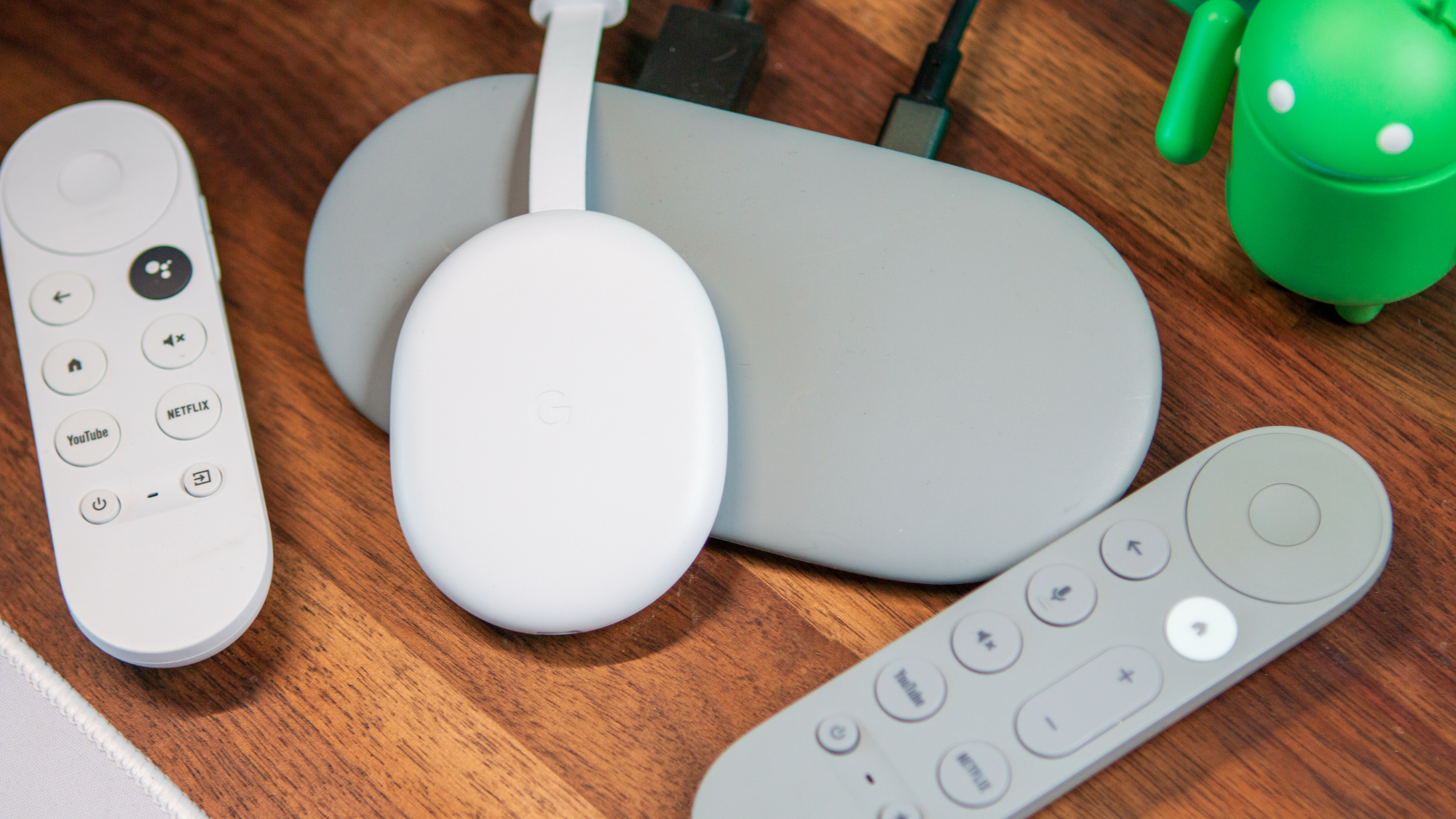
Furthermore, Google is addressing one of the most common frustrations in any household: the lost remote. The next-generation streamer itself is expected to feature a dedicated "Find My Remote" button. When pressed, the remote would emit a sound, allowing users to locate it between couch cushions or in other rooms. This feature was introduced with the current model, but its continued inclusion and potential refinement suggest that Google views it as an essential part of the user experience.
Navigating a Competitive Market
The timing of these rumors is particularly interesting given the broader state of the streaming market. Google recently increased the price of the current Google TV Streamer by $50, moving it into a more premium price bracket. This price hike placed it in direct competition with heavy hitters like the Apple TV 4K and the Amazon Fire TV Cube.
To justify a premium price point, Google must ensure that its hardware is not just "good enough" for streaming, but that it offers a superior, integrated experience that competitors cannot match. By leaning into its strengths—specifically AI integration and smart home connectivity—Google is carving out a niche for the TV Streamer as the ultimate device for users already invested in the Google/Android ecosystem.
The report also notes that Apple is rumored to be preparing a new Apple TV 4K for a potential reveal in the near future. If Apple updates its hardware this fall, it would make sense for Google to have a successor ready to go, or at least in the final stages of development, to prevent losing momentum in the high-end segment of the market.
Looking Ahead
As of now, there is no confirmed launch date or pricing for the next-generation Google TV Streamer. The tech industry typically sees a flurry of hardware announcements in the autumn months, leading into the holiday shopping season. If Google follows its traditional release cycles, we could see more concrete information surface in the coming months.
For now, the current Google TV Streamer remains one of the top choices for those seeking a pure Google TV experience. It provides a clean interface, robust app support, and deep integration with Nest cameras and other smart home devices. However, for those who value hands-free convenience and the latest in AI-driven ambient computing, the prospect of an even more capable successor on the horizon is certainly worth watching.
As the line between streaming media and smart home management continues to blur, Google’s next move will likely define the standard for what a "smart" TV box should be. Whether through the convenience of hands-free Gemini interactions or the seamlessness of presence-sensing automation, the next Google TV Streamer appears to be aiming for a future where the remote control is just one of many ways to command the living room.
 Mobile Device Management (MDM) & Mobile OS
Beyond Simple Blocking: How AI-Powered Context is Redefining Digital Safety for the Modern Parent
In the contemporary landscape of parenting, the mandate to protect one’s children...
 Mobile Device Management (MDM) & Mobile OS
Motorola Signals a High-End Return to North America with the Snapdragon-Powered Signature 27
At the recent Snapdragon Summit hosted by Qualcomm, an event typically dominated...
 Mobile Device Management (MDM) & Mobile OS
Samsung Reportedly Developing ‘Galaxy Studio’ Over-Ear Headphones to Challenge Apple and Sony
For nearly a decade, the premium over-ear headphone market has been defined...







