
Presence Sensing and Ambient Intelligence
Beyond voice control, Google is reportedly exploring the addition of presence-sensing technology. This feature is not entirely new to the industry—some high-end TCL smart TVs have experimented with similar sensors—but its inclusion in a standalone streaming box would be a first for Google’s hardware lineup.
Presence sensing would allow the Google TV Streamer to detect when a person enters or leaves the room. This capability opens the door for several "quality of life" features. For instance, the device could automatically wake the TV from sleep mode when it senses someone nearby, immediately presenting a personalized dashboard. This dashboard could display a Google Photos screensaver, current weather conditions, upcoming calendar events, or even a summary of smart home notifications.
Conversely, the device could also help with energy conservation by automatically pausing content or turning off the display when it detects that the room has been empty for a certain period. This level of ambient intelligence is a key pillar of Google’s "Helpful Home" vision, where technology anticipates the user’s needs rather than waiting for manual input.
Boosting Performance and Storage Capacity
While the smart features are the headline-grabbers, the report also touches on the technical specifications that power the experience. The current Google TV Streamer offers 32GB of internal storage, which was a significant jump from the 8GB found on previous Chromecast models. However, as streaming apps grow in size and the demand for high-fidelity 4K and HDR content increases, even 32GB can feel restrictive for power users.
The next-generation model is expected to offer even more storage, providing users with the headroom to install a vast library of apps and games without worrying about performance degradation. Alongside the storage boost, a faster processor is also reportedly in the works. A more powerful chipset would not only ensure a smoother, lag-free user interface but would also be necessary to handle the local processing required for far-field voice recognition and the more advanced AI features driven by Gemini.
A Redesigned Remote and Improved Accessibility
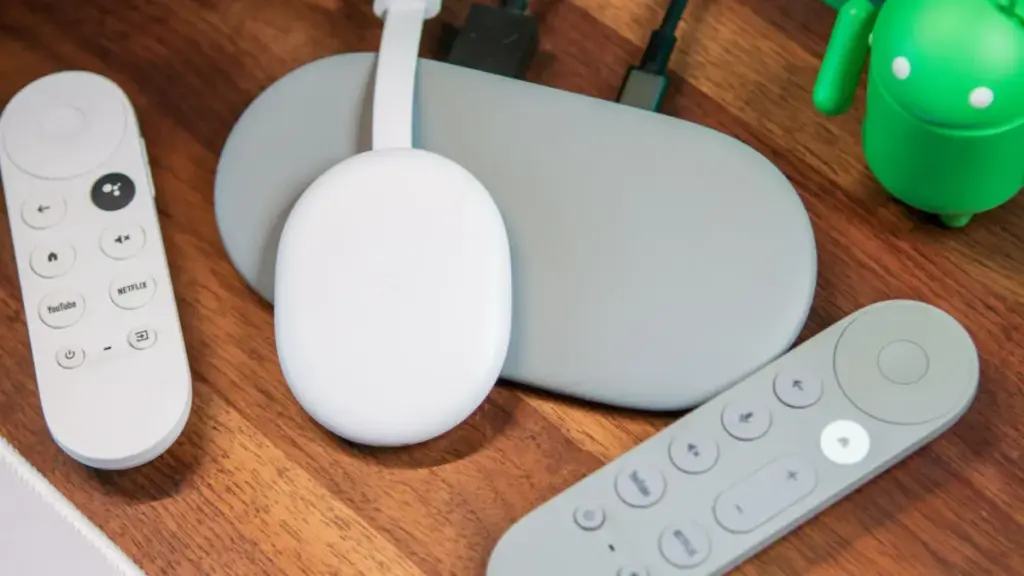
The remote control, which is often the most touched part of any streaming setup, is also slated for a refresh. According to the report, Google is looking to add more utility to the remote by including two additional shortcut buttons, likely dedicated to popular services like YouTube and Netflix. This would bring the total number of dedicated app buttons into alignment with many other modern streaming remotes, offering quicker access to the most-used platforms.
 Mobile Device Management (MDM) & Mobile OS
Meta Enhances Creator Toolkit with AI-Powered Edits Assistant for Instagram Performance Analysis
In an era where the creator economy is increasingly driven by data-driven...
 Mobile Device Management (MDM) & Mobile OS
Community-Led Discovery Unearths Workaround to Restore Legacy Google Assistant Experience on Android Devices
The landscape of mobile artificial intelligence shifted significantly last month when Google...
 Mobile Device Management (MDM) & Mobile OS
Google Expands Certified Refurbished Program to Include Pixel 9 Series with Significant Price Cuts
Google has officially expanded its hardware offerings in the United States by...







