
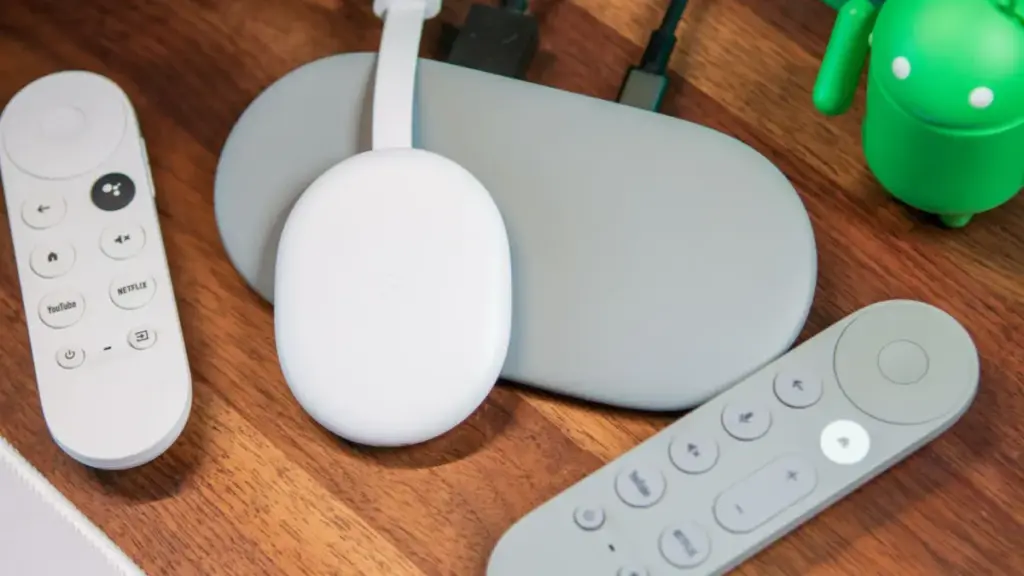
In the rapidly evolving landscape of home entertainment, Google appears to be accelerating its hardware roadmap. Following the recent transition from the iconic Chromecast branding to the more robust Google TV Streamer, new reports suggest that a successor is already deep in development. This next-generation device aims to bridge the gap between a traditional media player and a central smart home hub, potentially introducing hardware-level upgrades that would fundamentally change how users interact with their living room screens.
The Google TV Streamer, which debuted as a more premium, set-top box alternative to the HDMI-dongle form factor of the Chromecast, was positioned as a flagship experience. However, according to a detailed report from 9to5Google, the tech giant is not resting on its laurels. The upcoming iteration of the streamer is expected to retain the sleek, slanted-top aesthetic of the current model, though it may feature a slightly narrower footprint to better accommodate crowded media consoles. While the exterior changes may be subtle, the internal and functional upgrades represent a significant leap forward in Google’s vision for ambient computing.
One of the most consequential rumored additions is the inclusion of built-in, far-field microphones directly on the streaming device itself. Currently, users wishing to utilize Google Assistant or the newly integrated Gemini AI on their televisions must interact with the microphone embedded in the remote control. This requires physically locating and holding the remote, then pressing a dedicated button to initiate a command. By moving the microphones to the base unit, Google is effectively turning the TV Streamer into a hands-free smart speaker.
This shift toward a "Hey Google" experience for the television aligns with Google’s broader strategy of making Gemini—its advanced suite of generative AI tools—the centerpiece of the user experience. With built-in microphones, a user could walk into a room and ask the TV to play a specific show, dim the smart lights, or provide a summary of the day’s news without ever touching a peripheral. This would place the Google TV Streamer in direct competition with high-end smart home devices that prioritize voice-first interaction, potentially rendering a standalone Nest Mini or Nest Audio redundant in the living room.
Beyond voice interaction, Google is also reportedly exploring "presence-sensing" technology for the next-generation streamer. This functionality, which has previously appeared in select high-end TCL smart TVs and Google’s own Nest Thermostats, allows a device to detect when a person is physically near it. By utilizing specialized sensors, the Google TV Streamer could theoretically wake the television from a sleep state as soon as a user enters the room.
The implications for presence-sensing extend into the realm of the "ambient display." Rather than showing a black screen or requiring a manual startup, the device could automatically trigger a personalized dashboard. This might include a rotating gallery of Google Photos, real-time weather updates, or a snapshot of the user’s daily calendar. Such a feature would transform the television from a passive appliance into an active, informative part of the home’s infrastructure, echoing the functionality of the Google Nest Hub but on a much larger canvas.
Hardware enthusiasts will also find much to anticipate in the rumored specifications. The current Google TV Streamer was a welcome upgrade over the Chromecast with Google TV, particularly regarding its 32GB of internal storage. However, as applications grow in size and streaming services demand more cached data for smooth navigation, 32GB can still feel restrictive for power users who install numerous games and high-bandwidth apps. The report suggests that the next-generation model will see a further increase in storage capacity, alongside a more powerful processor.
A faster chipset is becoming increasingly necessary as Google pushes more AI-heavy features to its platform. Processing Gemini requests, managing smart home routines through the "Home Panel," and ensuring a lag-free interface at 4K resolutions require significant overhead. A more capable processor would not only improve the day-to-day speed of the UI but also future-proof the device against upcoming software updates that may demand more computational power.
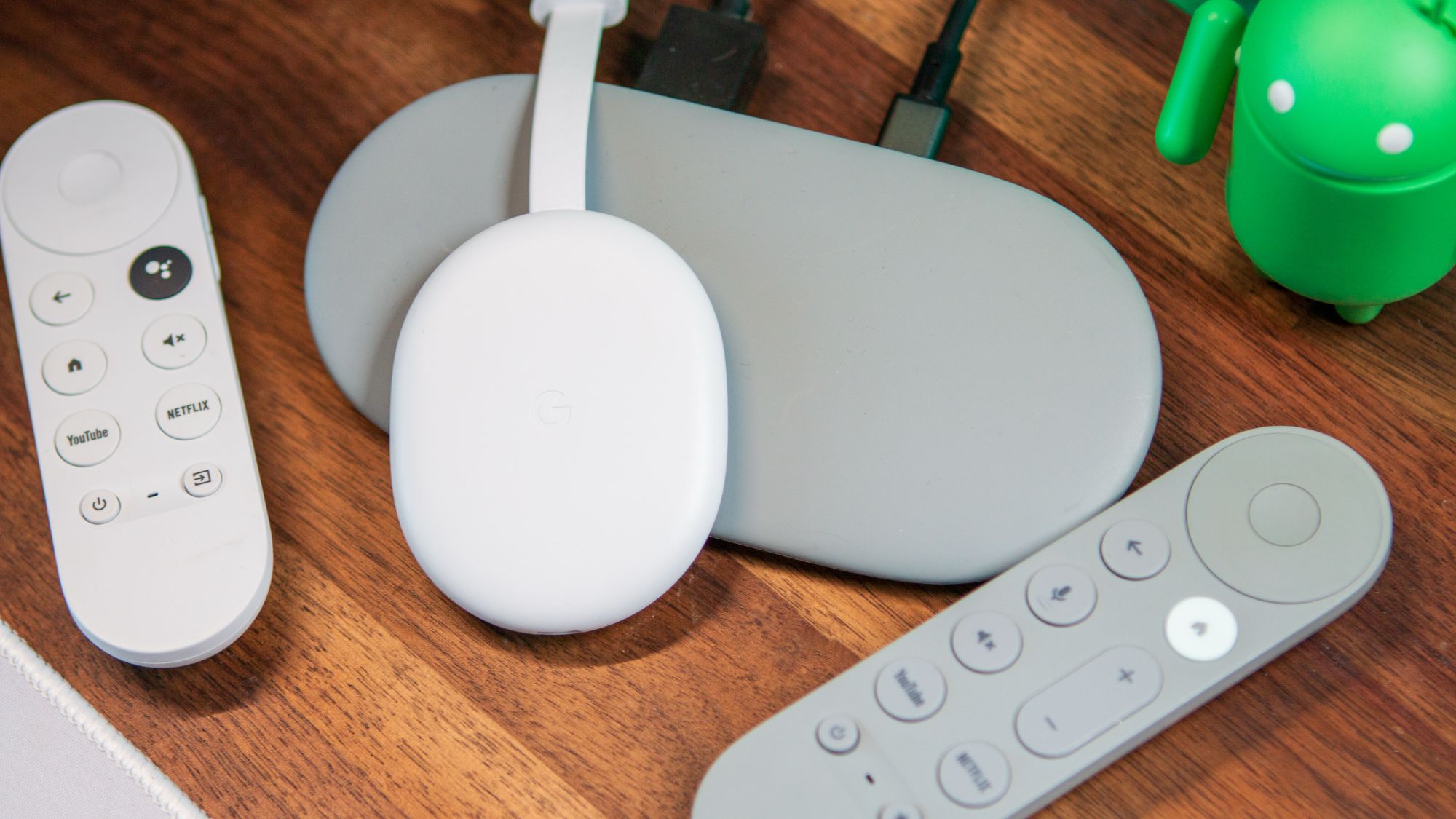
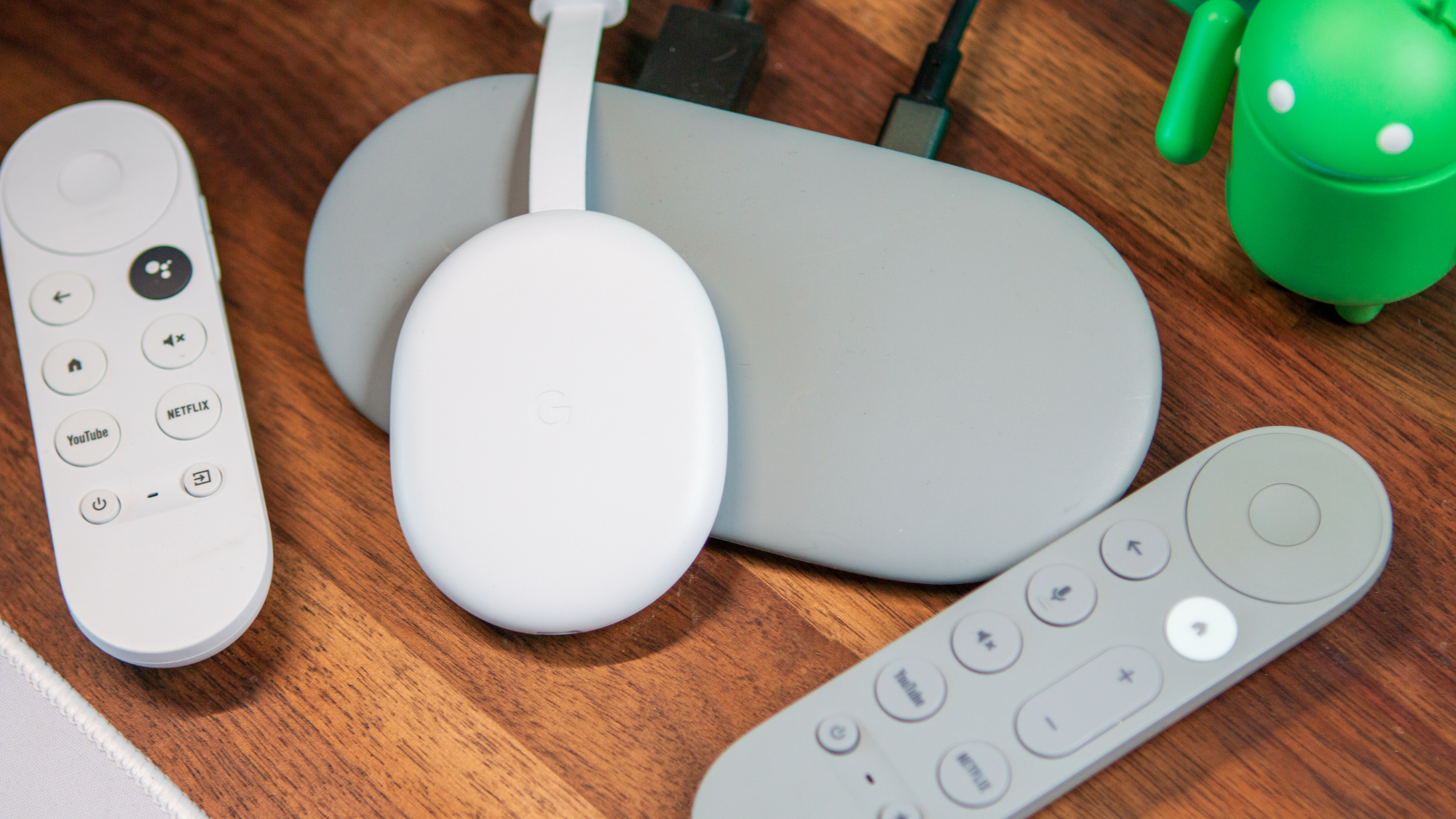
The remote control, often the most criticized or praised aspect of a streaming box, is also slated for a redesign. While the current remote is appreciated for its ergonomics, the next-generation version is expected to add more dedicated shortcut buttons. Specifically, the report points to the inclusion of two additional branded buttons for YouTube and Netflix. While some users prefer a minimalist aesthetic, the convenience of one-touch access to the world’s most popular video platforms remains a high priority for the general consumer market.
Furthermore, Google is reportedly addressing one of the most common frustrations in home theater management: the lost remote. The next-generation streamer itself is expected to feature a dedicated "Find My Remote" button. When pressed, this would trigger a sound on the remote control, allowing users to locate it between couch cushions or in other rooms. While some third-party devices and higher-end televisions have implemented similar features, its integration into the Google TV hardware would be a significant quality-of-life improvement for the ecosystem.
The timing of these leaks is particularly noteworthy given the competitive landscape of the streaming market. The high-end segment is currently dominated by the Apple TV 4K and the Nvidia Shield TV. While the Nvidia Shield has not seen a hardware refresh in several years, it remains a favorite for its sheer power and Plex server capabilities. Apple, meanwhile, is rumored to be preparing an update to its Apple TV 4K line as early as next week. By readying a new Google TV Streamer with AI-centric hardware and smart home sensors, Google is positioning itself to capture users who want more than just a media player.
This development also comes on the heels of a recent pricing adjustment. Google recently increased the price of the current Google TV Streamer by $50, a move that surprised some consumers given the device’s age relative to the announcement. This price hike may have been a strategic move to reposition the product line, creating a "Pro" or "Ultra" tier for the upcoming hardware while maintaining the current model as a mid-range option.
As the lines between streaming devices, smart speakers, and home security hubs continue to blur, the next-generation Google TV Streamer represents a significant step toward a unified home OS. By integrating far-field microphones and presence sensing, Google is betting that the television is the natural "brain" of the modern smart home.
While the report from 9to5Google provides a compelling glimpse into the future of Google’s hardware, many questions remain. There is currently no confirmed release date, nor is there information regarding whether these new features will necessitate a higher price point than the current $99 to $150 range common for premium streamers. However, with major tech events typically scheduled for the autumn, the industry is watching closely to see if Google will officially unveil its new vision for the living room before the end of the year.
For now, the current Google TV Streamer remains a top-tier choice for those within the Android ecosystem, offering a refined interface and solid performance. But for those holding out for a truly "smart" experience—one that responds to your presence and listens for your commands without the need for a remote—the next generation of Google TV hardware may be well worth the wait. As the competition between Google, Apple, and Amazon intensifies, the ultimate winner will likely be the consumer, who stands to benefit from increasingly sophisticated and integrated home entertainment technology.
 Mobile Device Management (MDM) & Mobile OS
Google Reportedly Developing Next-Generation TV Streamer with Hands-Free Voice Controls and Presence Sensing
The landscape of home entertainment is shifting once again as reports emerge...
 Mobile Device Management (MDM) & Mobile OS
The Evolution of Ultra-Compact Power: UGREEN and Rolling Square Redefine the 65W GaN Charger Market
The landscape of mobile power and charging accessories has undergone a radical...
 Mobile Device Management (MDM) & Mobile OS
Nimble SharePower Redefines Portable Charging by Splitting the Difference for Modern Travelers
In the modern era of high-performance smartphones and power-hungry mobile applications, the...







