
The implications for presence-sensing extend into the realm of the "ambient display." Rather than showing a black screen or requiring a manual startup, the device could automatically trigger a personalized dashboard. This might include a rotating gallery of Google Photos, real-time weather updates, or a snapshot of the user’s daily calendar. Such a feature would transform the television from a passive appliance into an active, informative part of the home’s infrastructure, echoing the functionality of the Google Nest Hub but on a much larger canvas.
Hardware enthusiasts will also find much to anticipate in the rumored specifications. The current Google TV Streamer was a welcome upgrade over the Chromecast with Google TV, particularly regarding its 32GB of internal storage. However, as applications grow in size and streaming services demand more cached data for smooth navigation, 32GB can still feel restrictive for power users who install numerous games and high-bandwidth apps. The report suggests that the next-generation model will see a further increase in storage capacity, alongside a more powerful processor.
A faster chipset is becoming increasingly necessary as Google pushes more AI-heavy features to its platform. Processing Gemini requests, managing smart home routines through the "Home Panel," and ensuring a lag-free interface at 4K resolutions require significant overhead. A more capable processor would not only improve the day-to-day speed of the UI but also future-proof the device against upcoming software updates that may demand more computational power.
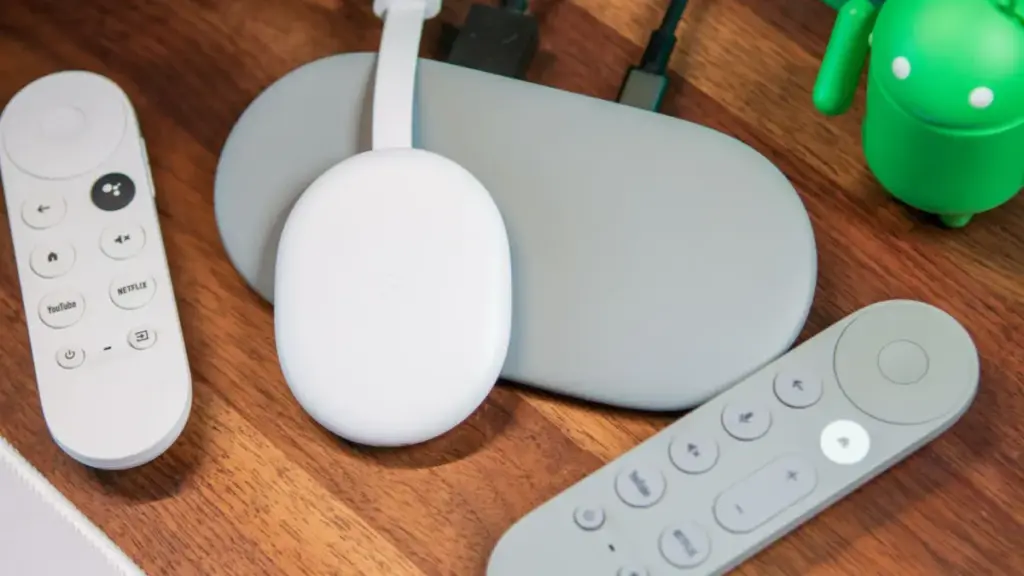
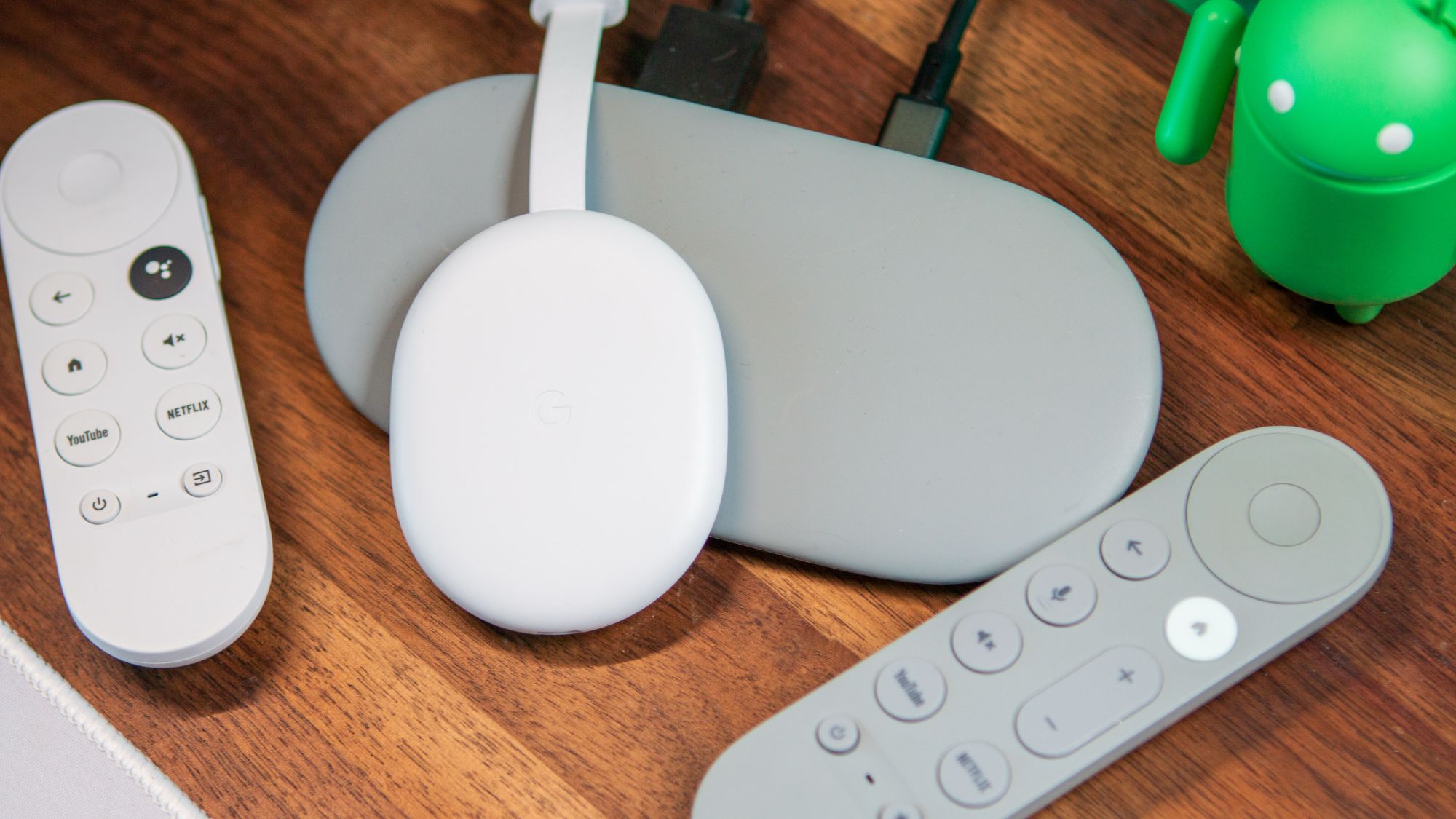
The remote control, often the most criticized or praised aspect of a streaming box, is also slated for a redesign. While the current remote is appreciated for its ergonomics, the next-generation version is expected to add more dedicated shortcut buttons. Specifically, the report points to the inclusion of two additional branded buttons for YouTube and Netflix. While some users prefer a minimalist aesthetic, the convenience of one-touch access to the world’s most popular video platforms remains a high priority for the general consumer market.
Furthermore, Google is reportedly addressing one of the most common frustrations in home theater management: the lost remote. The next-generation streamer itself is expected to feature a dedicated "Find My Remote" button. When pressed, this would trigger a sound on the remote control, allowing users to locate it between couch cushions or in other rooms. While some third-party devices and higher-end televisions have implemented similar features, its integration into the Google TV hardware would be a significant quality-of-life improvement for the ecosystem.
 Mobile Device Management (MDM) & Mobile OS
Google Explores Enhanced Security for Chrome on Android with Biometric Password Reauthentication
The convenience of modern mobile browsing often rests on a delicate balance...
 Mobile Device Management (MDM) & Mobile OS
Meta Revolutionizes Digital Presence with Hyper-Realistic AI Holograms for WhatsApp and VR
For decades, the concept of the hologram has been a staple of...
 Mobile Device Management (MDM) & Mobile OS
RayNeo GT Arrives to Shake Up the Competitive $300 Smart Glasses Market with Enhanced Ergonomics and 3DoF Tracking
The landscape of augmented reality and wearable displays is moving at a...







