
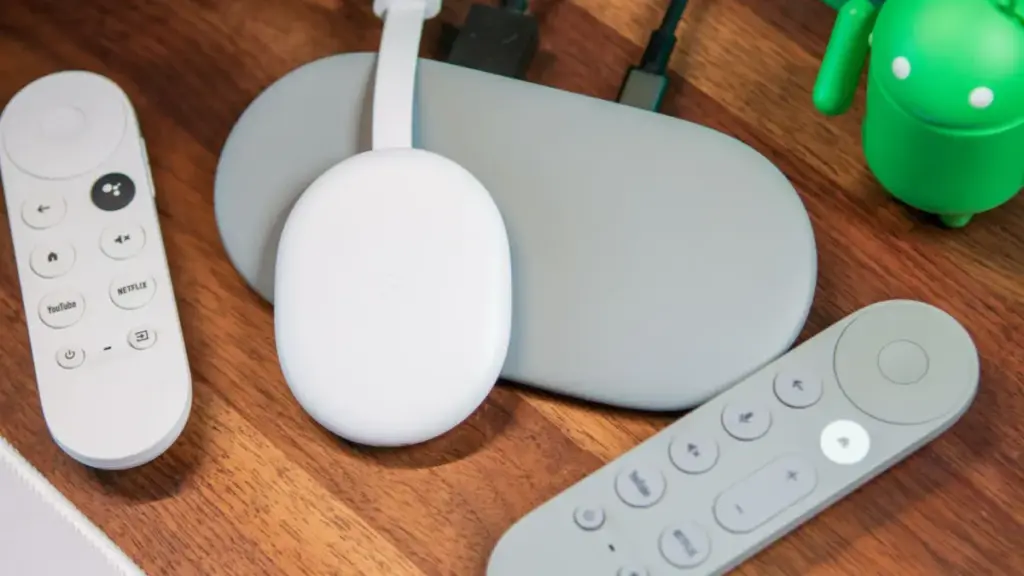
The timing of these leaks is particularly noteworthy given the competitive landscape of the streaming market. The high-end segment is currently dominated by the Apple TV 4K and the Nvidia Shield TV. While the Nvidia Shield has not seen a hardware refresh in several years, it remains a favorite for its sheer power and Plex server capabilities. Apple, meanwhile, is rumored to be preparing an update to its Apple TV 4K line as early as next week. By readying a new Google TV Streamer with AI-centric hardware and smart home sensors, Google is positioning itself to capture users who want more than just a media player.
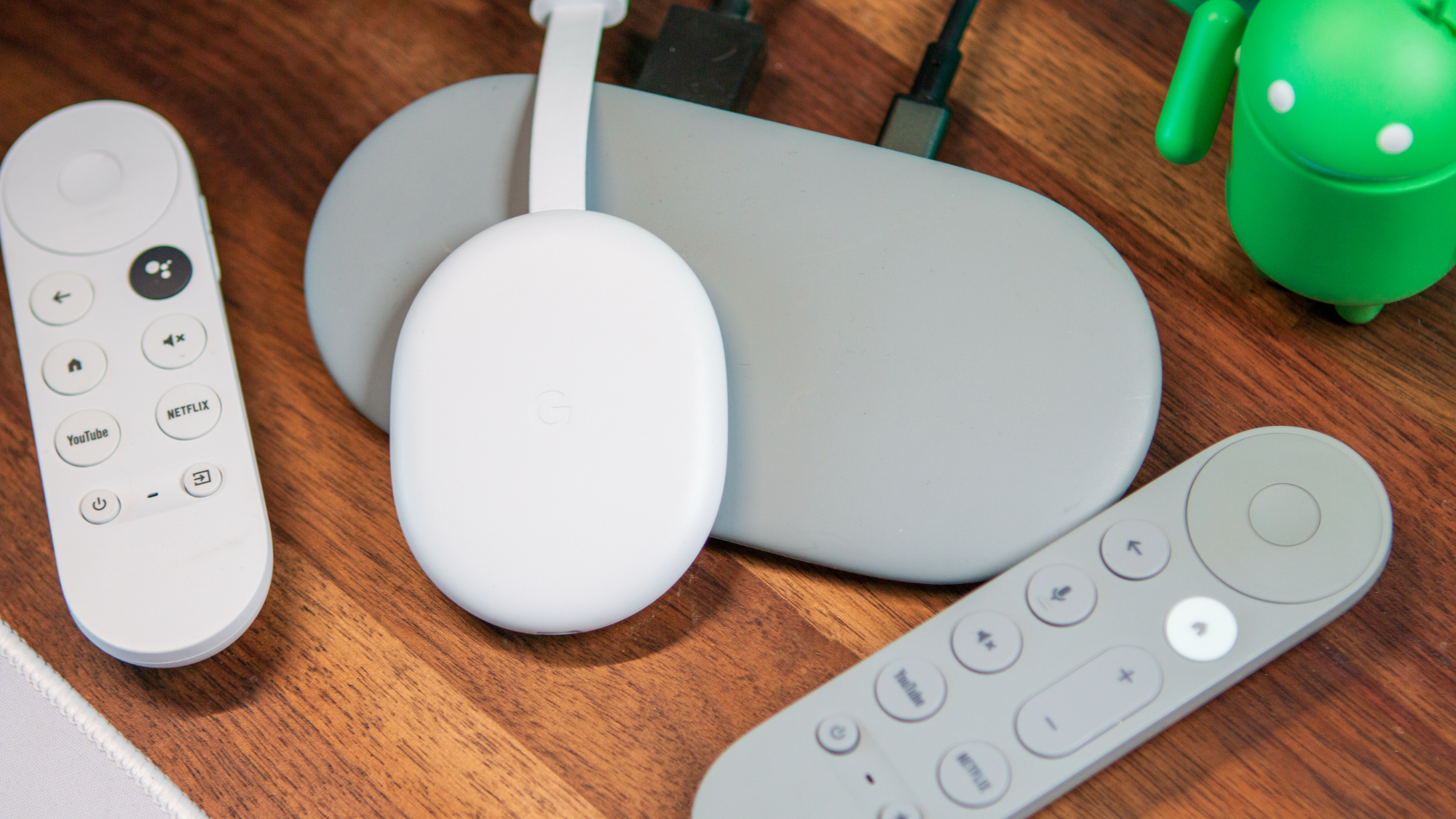
This development also comes on the heels of a recent pricing adjustment. Google recently increased the price of the current Google TV Streamer by $50, a move that surprised some consumers given the device’s age relative to the announcement. This price hike may have been a strategic move to reposition the product line, creating a "Pro" or "Ultra" tier for the upcoming hardware while maintaining the current model as a mid-range option.
As the lines between streaming devices, smart speakers, and home security hubs continue to blur, the next-generation Google TV Streamer represents a significant step toward a unified home OS. By integrating far-field microphones and presence sensing, Google is betting that the television is the natural "brain" of the modern smart home.
While the report from 9to5Google provides a compelling glimpse into the future of Google’s hardware, many questions remain. There is currently no confirmed release date, nor is there information regarding whether these new features will necessitate a higher price point than the current $99 to $150 range common for premium streamers. However, with major tech events typically scheduled for the autumn, the industry is watching closely to see if Google will officially unveil its new vision for the living room before the end of the year.
For now, the current Google TV Streamer remains a top-tier choice for those within the Android ecosystem, offering a refined interface and solid performance. But for those holding out for a truly "smart" experience—one that responds to your presence and listens for your commands without the need for a remote—the next generation of Google TV hardware may be well worth the wait. As the competition between Google, Apple, and Amazon intensifies, the ultimate winner will likely be the consumer, who stands to benefit from increasingly sophisticated and integrated home entertainment technology.
 Mobile Device Management (MDM) & Mobile OS
Samsung Announces Shutdown of Samsung Sound App as Part of Broader Ecosystem Consolidation
Samsung is continuing its aggressive efforts to streamline its mobile and smart...
 Mobile Device Management (MDM) & Mobile OS
Google Releases Android 17 QPR3 Beta 1 for Pixel Devices, Targeting Key Performance Issues and System Stability
Google has officially initiated the next phase of its software testing cycle...
 Mobile Device Management (MDM) & Mobile OS
Google Unveils Android Bench 2.0 to Evaluate AI Performance on Complex, Long-Horizon Development Tasks
In a significant move to refine how artificial intelligence interacts with the...







