
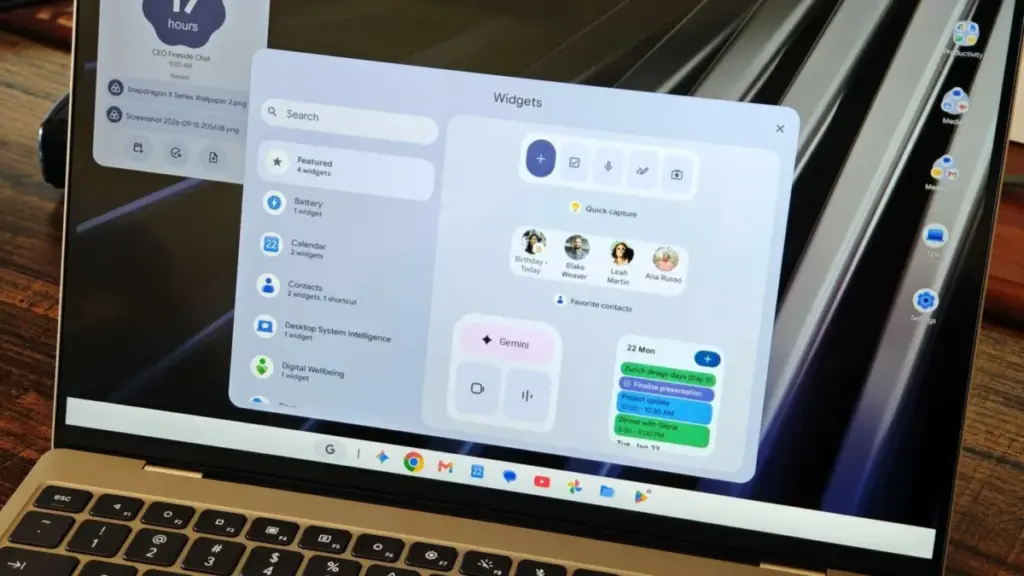
The highly anticipated launch of the Googlebook has arrived, marking a significant milestone in Google’s ongoing efforts to bridge the gap between mobile versatility and desktop productivity. As consumers begin to receive their units this week, a new layer of complexity has emerged regarding one of the platform’s most touted features: its ability to run Android applications. While the Googlebook is designed to be the definitive home for the Google ecosystem, the company has recently confirmed that the experience may not be uniform across all hardware configurations.
The revelation came following inquiries into how the various processor architectures within the Googlebook family handle the vast library of the Google Play Store. In a statement addressing the technical nuances of the new devices, Google acknowledged that not every Googlebook is created equal when it comes to software execution. Specifically, models equipped with Intel processors may encounter difficulties with certain Android applications, a challenge rooted in the fundamental differences between mobile and desktop silicon architectures.
This development highlights a long-standing hurdle in the tech industry: the translation of software across different instruction sets. Because the overwhelming majority of Android applications were built and optimized for ARM-based chips—the architecture found in nearly every modern smartphone—running those same apps on Intel’s x86 architecture requires a level of software intervention that can occasionally result in performance discrepancies.
The Technical Divide: Intel vs. Qualcomm
According to Google, the hardware diversity within the Googlebook launch lineup is the primary factor behind the varying levels of app support. The current market rollout includes devices from several major manufacturers, but they are split between two very different internal engines. The Googlebook models produced by Acer, ASUS, and Lenovo are powered by the Intel Core Ultra 5 processor. Conversely, the offerings from HP and Dell utilize Qualcomm’s Snapdragon X Elite, which is based on the ARM architecture.
"A small handful of complex apps or games need some developer tuning to run their best on Intel-based platforms," a Google spokesperson stated. This admission clarifies that while the Google Play Store is technically available on all Googlebook devices, the "out-of-the-box" experience for high-performance apps may differ depending on the chip inside the chassis.
The company was quick to reassure potential buyers that this issue affects only a minority of the software available. Google advised that the "vast majority of Android apps run smoothly," regardless of whether a user chooses an Intel-based or Qualcomm-based Googlebook. Nevertheless, the distinction is critical for power users and gamers who rely on specific, resource-intensive applications that may not yet be fully optimized for Intel’s latest silicon.
The "tuning" Google referred to involves working closely with developers, as well as hardware partners like Intel and Qualcomm, to ensure that the translation layers responsible for running ARM code on x86 processors are as efficient as possible. However, for the consumer, "poor support" can manifest in several frustrating ways. It remains to be seen whether users will encounter minor graphical glitches, reduced frame rates in games, or more severe issues such as frequent error codes and application crashes. For a product line that starts at a premium price point of $899, these software hurdles represent a significant point of contention for early adopters.
A New Era for Google Hardware
Despite the concerns over app compatibility, the launch of the Googlebook represents a momentous occasion for the company. The journey toward this release began in earnest on September 21, when pre-orders officially opened following a high-profile reveal during "The Android Show." This new category of laptop is positioned as a premium tier of computing, designed to offer a more integrated and powerful experience than the standard Chromebooks of years past.
The Googlebook is defined by a set of high-end hardware standards that Google has mandated for its partners. This first wave of laptops features sophisticated build quality, including touchscreens as a standard requirement, haptic glass trackpads for precise feedback, and backlit keyboards for enhanced usability in various lighting conditions. Beyond the physical specifications, the Googlebook is built to be the ultimate companion for Android phone users, offering deep integration features that allow for seamless file sharing, notification mirroring, and cross-device synchronization.
One of the most talked-about features of the new lineup is the "Magic Pointer." This tool represents Google’s latest attempt to integrate its Gemini artificial intelligence directly into the user interface. Magic Pointer allows users to call upon Gemini AI capabilities via their mouse cursor, providing contextual help, text generation, and data analysis on the fly. It is a feature designed to make the Googlebook feel fundamentally different from a traditional Windows or Mac laptop, placing AI-driven productivity at the center of the user experience.
Interestingly, Google is not keeping this innovation entirely exclusive to its own hardware. In a move that reflects the company’s broader software-first strategy, Google has already started rolling out Magic Pointer functionality within the Chrome browser for Windows and Mac computers. While this provides a taste of the Googlebook experience to a wider audience, the company maintains that the deepest and most responsive integration of these AI tools will remain on the native Googlebook hardware.
Transparency and Market Expectations
The timing of Google’s disclosure regarding app compatibility has drawn criticism from industry analysts and tech enthusiasts alike. Many have noted that such a significant caveat regarding the Google Play Store—a core pillar of the Googlebook’s value proposition—should have been communicated clearly when pre-orders first went live.
The sentiment among many early reviewers is that transparency is vital when launching a new hardware category. For a consumer to invest nearly a thousand dollars in a device under the impression that it offers full, unfettered access to the Android ecosystem, only to discover that their favorite high-end game or creative tool struggles on their specific model, creates a "buyer beware" atmosphere that Google likely wanted to avoid.
However, the silver lining is Google’s proactive stance on rectifying the situation. By acknowledging the need for "developer tuning" and confirming active collaboration with Intel and Qualcomm, the company has signaled that it is committed to the long-term health of the platform. The Googlebook is not intended to be a static product, but rather an evolving ecosystem that will improve as software developers update their apps to better support the diverse hardware landscape of modern laptops.
Availability and Incentives
For those ready to make the jump into the Googlebook ecosystem, the devices are now becoming available at a variety of major retailers. In addition to the official Google Store, consumers can find the new laptops at Best Buy and other traditional electronics outlets.
To sweeten the deal for early adopters, Google and its partners are offering a variety of "goodies" and incentives. These typically include free trials for Google One storage, premium subscriptions to YouTube and Google Play Pass, and other service-based perks intended to showcase the full breadth of the Google ecosystem.
As the first wave of Googlebooks lands in the hands of the public, the focus will undoubtedly remain on how these devices perform in real-world scenarios. While the hardware specifications are impressive and the AI integration is forward-thinking, the ultimate success of the Googlebook may depend on how quickly Google can close the compatibility gap. If the "vast majority" of apps truly do run without issue, the Intel-based models will likely find a satisfied audience. But for those who demand the absolute best in Android app performance, the Qualcomm-powered versions may be the safer bet in these early days of the Googlebook era.
The launch marks a bold step forward, but as with any new technology, the transition from vision to reality often comes with unforeseen hurdles. Google’s task now is to ensure that the Googlebook lives up to its promise of being the world’s most helpful laptop, regardless of the silicon beating at its heart.
 Mobile Device Management (MDM) & Mobile OS
Beyond Simple Blocking: How AI-Powered Context is Redefining Digital Safety for the Modern Parent
In the contemporary landscape of parenting, the mandate to protect one’s children...
 Mobile Device Management (MDM) & Mobile OS
Google Announces Inaugural Play Fest: A Week-Long Global Celebration of Apps, Gaming, and Rewards
In a significant move to deepen user engagement within its digital ecosystem,...
 Mobile Device Management (MDM) & Mobile OS
Power on the Move: Why High-Wattage Wired Charging is Becoming Essential for Modern Travelers
In the rapidly evolving landscape of mobile technology, the way we power...






