
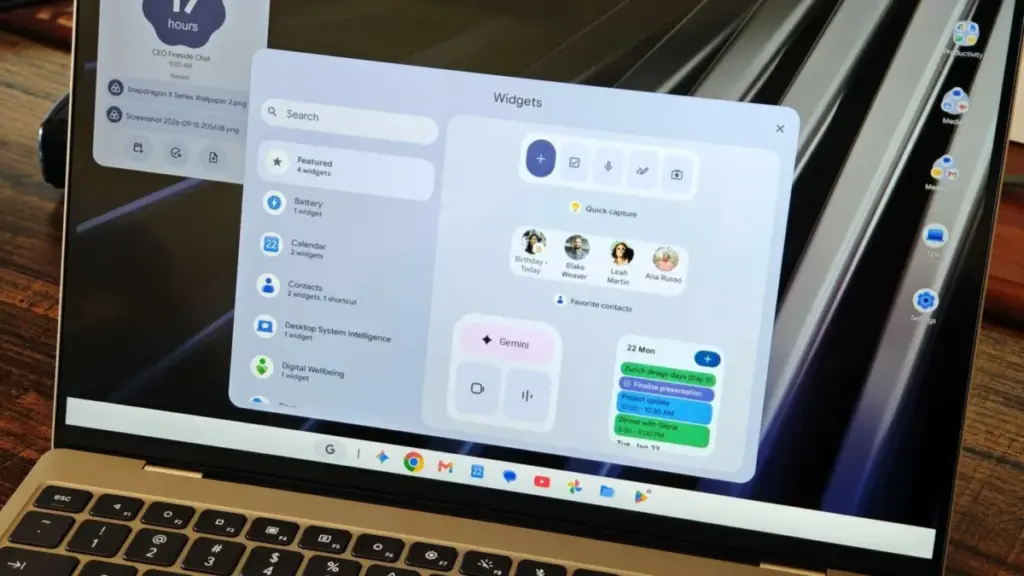
The sentiment among many early reviewers is that transparency is vital when launching a new hardware category. For a consumer to invest nearly a thousand dollars in a device under the impression that it offers full, unfettered access to the Android ecosystem, only to discover that their favorite high-end game or creative tool struggles on their specific model, creates a "buyer beware" atmosphere that Google likely wanted to avoid.
However, the silver lining is Google’s proactive stance on rectifying the situation. By acknowledging the need for "developer tuning" and confirming active collaboration with Intel and Qualcomm, the company has signaled that it is committed to the long-term health of the platform. The Googlebook is not intended to be a static product, but rather an evolving ecosystem that will improve as software developers update their apps to better support the diverse hardware landscape of modern laptops.
Availability and Incentives
For those ready to make the jump into the Googlebook ecosystem, the devices are now becoming available at a variety of major retailers. In addition to the official Google Store, consumers can find the new laptops at Best Buy and other traditional electronics outlets.
To sweeten the deal for early adopters, Google and its partners are offering a variety of "goodies" and incentives. These typically include free trials for Google One storage, premium subscriptions to YouTube and Google Play Pass, and other service-based perks intended to showcase the full breadth of the Google ecosystem.
As the first wave of Googlebooks lands in the hands of the public, the focus will undoubtedly remain on how these devices perform in real-world scenarios. While the hardware specifications are impressive and the AI integration is forward-thinking, the ultimate success of the Googlebook may depend on how quickly Google can close the compatibility gap. If the "vast majority" of apps truly do run without issue, the Intel-based models will likely find a satisfied audience. But for those who demand the absolute best in Android app performance, the Qualcomm-powered versions may be the safer bet in these early days of the Googlebook era.
The launch marks a bold step forward, but as with any new technology, the transition from vision to reality often comes with unforeseen hurdles. Google’s task now is to ensure that the Googlebook lives up to its promise of being the world’s most helpful laptop, regardless of the silicon beating at its heart.
 Mobile Device Management (MDM) & Mobile OS
Google Bridges the Ecosystem Gap as Better Together Features Roll Out to Samsung Galaxy Devices
When Google officially pulled the curtain back on the Googlebook, the tech...
 Mobile Device Management (MDM) & Mobile OS
Power on the Move: Why High-Wattage Wired Charging is Becoming Essential for Modern Travelers
In the rapidly evolving landscape of mobile technology, the way we power...
 Mobile Device Management (MDM) & Mobile OS
Samsung Reportedly Developing ‘Galaxy Studio’ Over-Ear Headphones to Challenge Apple and Sony
The landscape of the premium audio market has long been defined by...







