
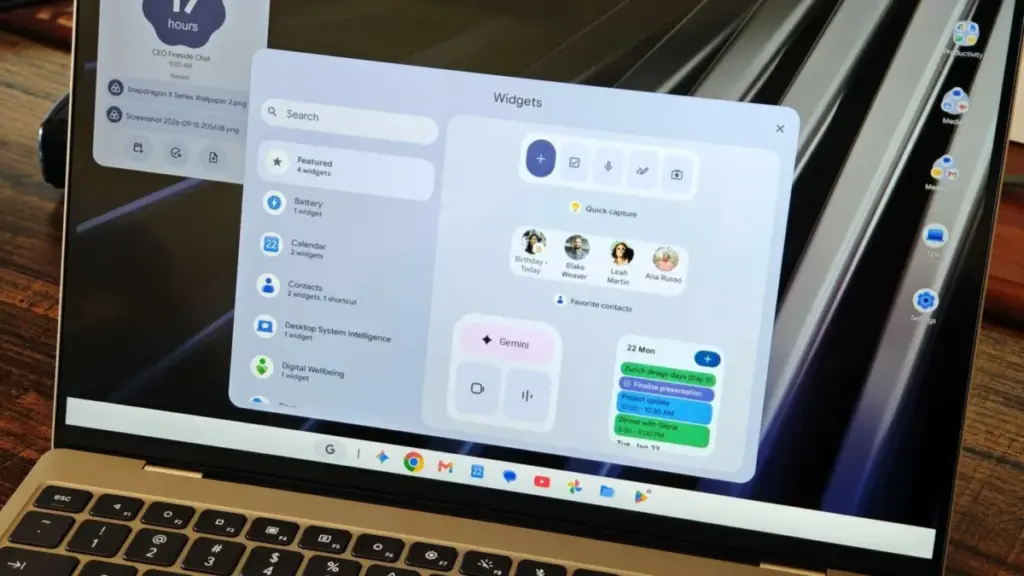
The "tuning" Google referred to involves working closely with developers, as well as hardware partners like Intel and Qualcomm, to ensure that the translation layers responsible for running ARM code on x86 processors are as efficient as possible. However, for the consumer, "poor support" can manifest in several frustrating ways. It remains to be seen whether users will encounter minor graphical glitches, reduced frame rates in games, or more severe issues such as frequent error codes and application crashes. For a product line that starts at a premium price point of $899, these software hurdles represent a significant point of contention for early adopters.
A New Era for Google Hardware
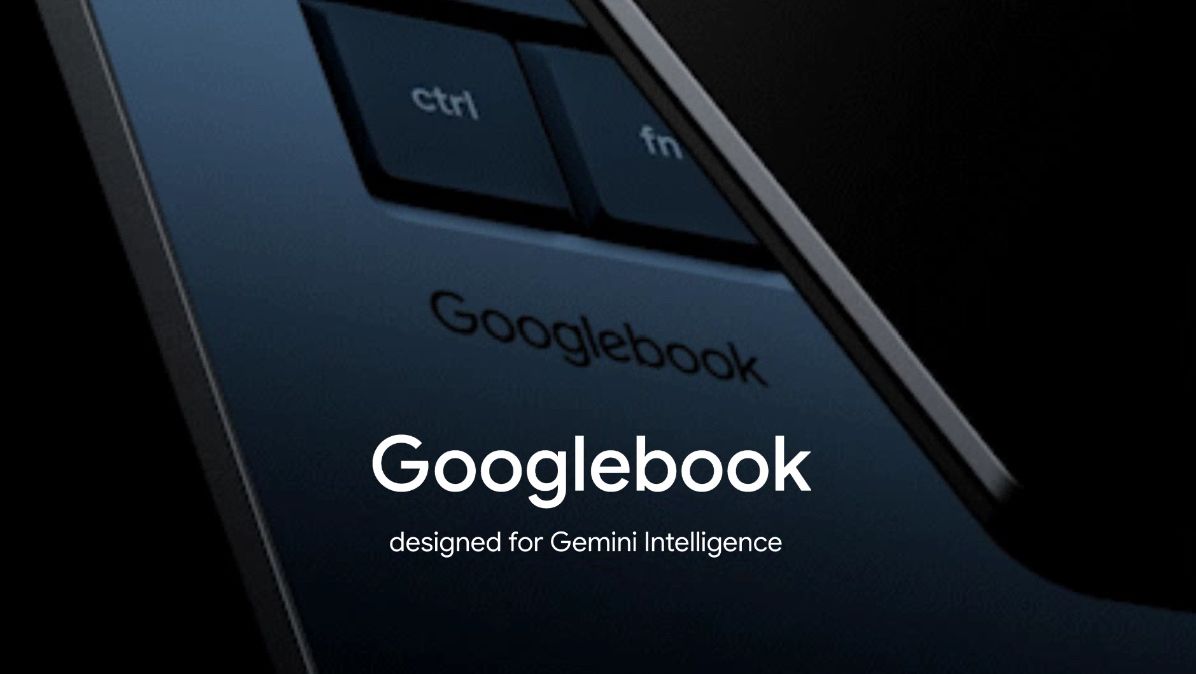
Despite the concerns over app compatibility, the launch of the Googlebook represents a momentous occasion for the company. The journey toward this release began in earnest on September 21, when pre-orders officially opened following a high-profile reveal during "The Android Show." This new category of laptop is positioned as a premium tier of computing, designed to offer a more integrated and powerful experience than the standard Chromebooks of years past.
The Googlebook is defined by a set of high-end hardware standards that Google has mandated for its partners. This first wave of laptops features sophisticated build quality, including touchscreens as a standard requirement, haptic glass trackpads for precise feedback, and backlit keyboards for enhanced usability in various lighting conditions. Beyond the physical specifications, the Googlebook is built to be the ultimate companion for Android phone users, offering deep integration features that allow for seamless file sharing, notification mirroring, and cross-device synchronization.
One of the most talked-about features of the new lineup is the "Magic Pointer." This tool represents Google’s latest attempt to integrate its Gemini artificial intelligence directly into the user interface. Magic Pointer allows users to call upon Gemini AI capabilities via their mouse cursor, providing contextual help, text generation, and data analysis on the fly. It is a feature designed to make the Googlebook feel fundamentally different from a traditional Windows or Mac laptop, placing AI-driven productivity at the center of the user experience.
Interestingly, Google is not keeping this innovation entirely exclusive to its own hardware. In a move that reflects the company’s broader software-first strategy, Google has already started rolling out Magic Pointer functionality within the Chrome browser for Windows and Mac computers. While this provides a taste of the Googlebook experience to a wider audience, the company maintains that the deepest and most responsive integration of these AI tools will remain on the native Googlebook hardware.
Transparency and Market Expectations
The timing of Google’s disclosure regarding app compatibility has drawn criticism from industry analysts and tech enthusiasts alike. Many have noted that such a significant caveat regarding the Google Play Store—a core pillar of the Googlebook’s value proposition—should have been communicated clearly when pre-orders first went live.
 Mobile Device Management (MDM) & Mobile OS
Beyond Simple Blocking: How AI-Powered Context is Redefining Digital Safety for the Modern Parent
In the contemporary landscape of parenting, the mandate to protect one’s children...
 Mobile Device Management (MDM) & Mobile OS
Samsung Announces Shutdown of Samsung Sound App as Part of Broader Ecosystem Consolidation
Samsung is continuing its aggressive efforts to streamline its mobile and smart...
 Mobile Device Management (MDM) & Mobile OS
Google Explores Enhanced Security for Chrome on Android with Biometric Password Reauthentication
The convenience of modern mobile browsing often rests on a delicate balance...







