
The impact of the rollout is already being felt within the user community. Early reports from owners of the Samsung Galaxy S26 Ultra suggest that the integration is performing as advertised, with app casting and notification mirroring showing significantly improved stability compared to the experimental workarounds users had previously attempted. While some owners of older or mid-range Galaxy devices are still waiting for their respective One UI 9.0 updates to arrive, the confirmation that the flagship hardware is now fully supported provides a clear roadmap for the rest of the lineup.
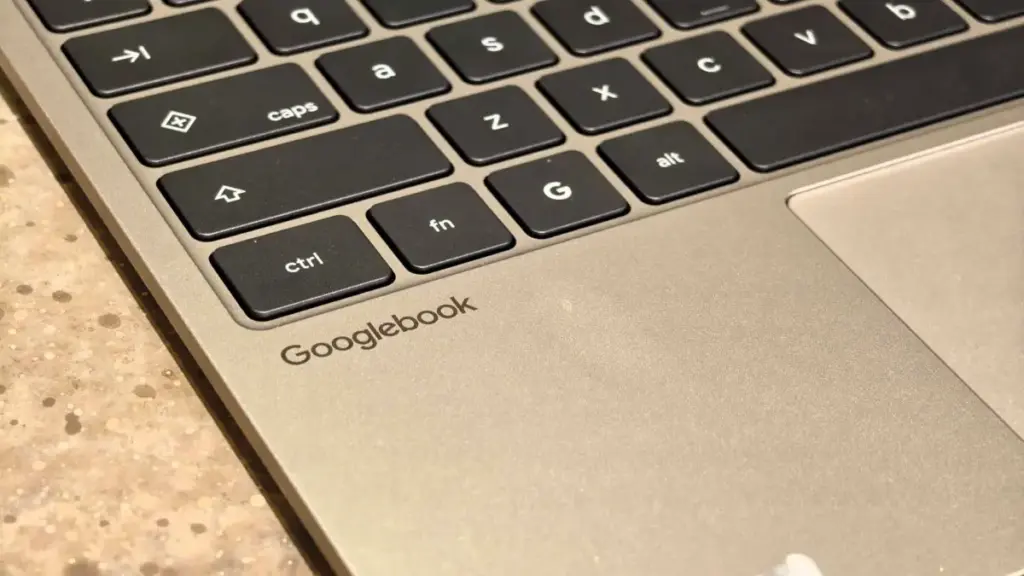
The necessity of this update, however, highlights a broader critique of the Googlebook’s market entry. While the hardware itself has received praise for its design and performance, the "launch-ready" state of its software ecosystem has been a point of contention. By releasing a product whose "core" features were unavailable to the single largest segment of the Android user base, Google risked alienating the very power users most likely to invest in a high-end integrated laptop.
The successful integration of Samsung devices is a vital step in making the Googlebook a viable competitor to established ecosystems like Apple’s macOS and iOS "Continuity" features or Microsoft’s "Phone Link" for Windows. In the modern computing landscape, hardware specs are often secondary to the fluidity of the software experience. A laptop that cannot talk to its owner’s phone is increasingly seen as a relic of an older era of computing.
As the rollout continues over the coming days, the focus will shift to how well Google can maintain this consistency across a broader range of hardware. Samsung’s device portfolio is vast, and ensuring that "Better Together" works as well on a mid-range A-series phone as it does on a flagship S-series device will be the next major test for the platform. For now, Galaxy S26 Ultra users can finally enjoy the full suite of features they were promised, marking a significant, if delayed, milestone in the evolution of Google’s hardware ecosystem.
The correction of the pairing bugs and the enabling of app streaming represent the fulfillment of the Googlebook’s primary mission: to blur the lines between mobile and desktop computing. While the initial friction may have dampened some of the enthusiasm surrounding the launch, the arrival of these features suggests that Google is committed to the long-term refinement of its cross-device strategy. For Samsung users, the wait for a truly integrated Android laptop experience appears to be coming to an end.
 Mobile Device Management (MDM) & Mobile OS
Google Releases Android 17 QPR3 Beta 1 for Pixel Devices, Targeting Key Performance Issues and System Stability
Google has officially initiated the next phase of its software testing cycle...
 Mobile Device Management (MDM) & Mobile OS
Google Reportedly Developing Next-Generation TV Streamer with Hands-Free Voice Controls and Presence Sensing
The landscape of home entertainment is shifting once again as reports emerge...
 Mobile Device Management (MDM) & Mobile OS
Next-Generation Google TV Streamer Reportedly in Development with Hands-Free Voice Controls and Presence Sensing
Google appears to be accelerating its ambitions for the living room, as...







