
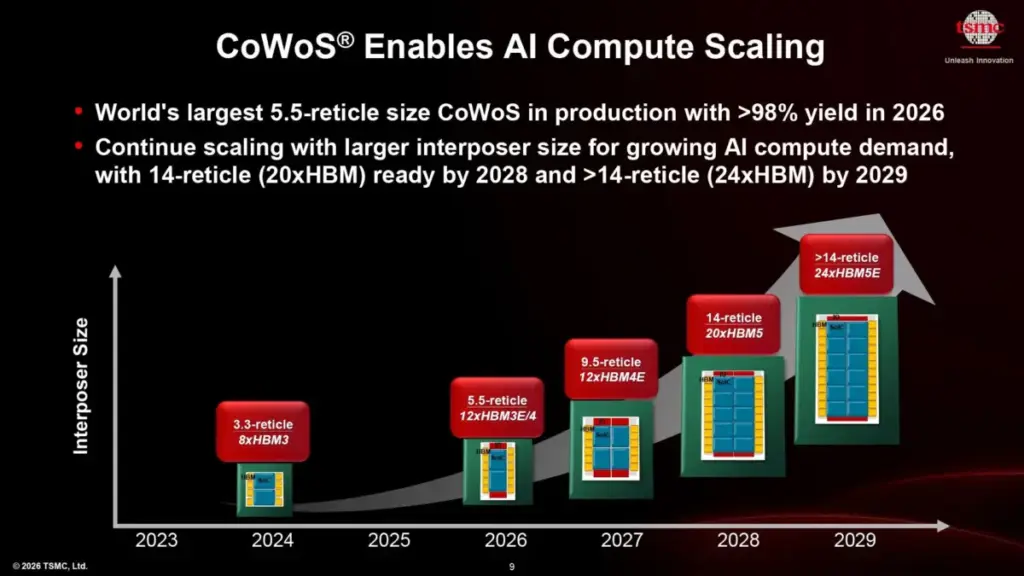
Industry analysts view this $2 billion agreement as a sign of the maturing semiconductor ecosystem, where former rivals find common ground in the face of immense technical challenges and shifting geopolitical realities. While GlobalFoundries and TSMC compete in certain segments of the foundry market, their strengths are increasingly complementary in the realm of advanced packaging. TSMC remains the undisputed leader in leading-edge logic fabrication, while GlobalFoundries has solidified its position as a leader in specialized feature-rich technologies and a critical provider of domestic manufacturing capacity. This partnership allows both companies to play to their strengths while addressing a critical gap in the U.S. semiconductor landscape.
The broader impact on the semiconductor supply chain cannot be overstated. For years, the industry has grappled with the "concentration risk" of having the majority of advanced packaging capacity located in a single geographic region. This deal represents one of the most substantial efforts to date to diversify that capacity and bring it closer to the end-markets in North America. It also serves as a model for how the industry might continue to globalize while maintaining regional security and reliability. By creating a "scalable source" of these components, as Ed Kaste noted, the partnership ensures that the sudden spikes in demand—such as those seen during the current AI boom—can be met with a more flexible and geographically distributed manufacturing base.
As the first half of 2028 approaches, the industry will be watching closely to see how the integration of GlobalFoundries’ interposers into TSMC’s CoWoS workflow progresses. The success of this collaboration could pave the way for further joint ventures and manufacturing agreements between major foundries, as the costs and complexities of semiconductor production continue to rise. For now, the $2 billion deal stands as a definitive statement on the importance of advanced packaging and the strategic value of U.S.-based manufacturing. It provides a clear roadmap for how the next generation of high-performance chips will be built, packaged, and delivered to a world increasingly hungry for computing power, all while ensuring that the supply chain remains as secure as it is innovative.
 Hardware Reviews & PC Building
Tom’s Hardware Expands Digital Reach with Launch of Official Mobile Application for Android and iOS
The landscape of technology journalism has undergone a profound transformation over the...
 Hardware Reviews & PC Building
The PC gaming ray tracing obsession began with the first RTX 20 graphics cards released on this day in 2018 — the…
The debut of the GeForce 20 series was spearheaded by the release...
 Hardware Reviews & PC Building
Unofficial Grand Theft Auto V Browser Port Faces Swift Takedown Following Viral Technical Demonstration
The landscape of modern gaming is often defined by the boundaries of...







