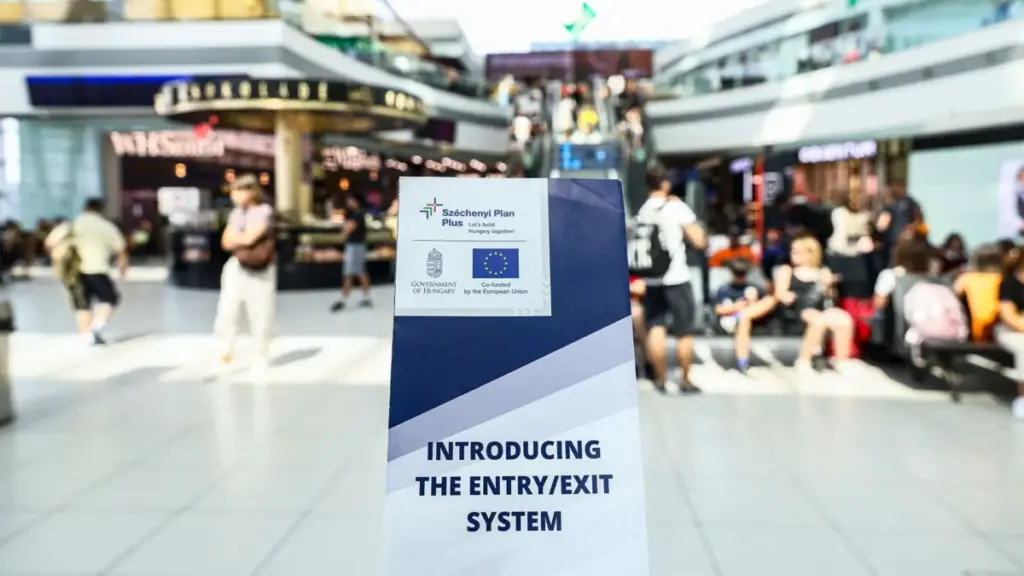
The European Union’s ambitious plan to modernize its border infrastructure has culminated in a high-stakes legal battle, as the bloc’s dedicated IT agency initiates a lawsuit against a consortium of major technology firms. The dispute centers on extensive delays and technical failures surrounding the Entry/Exit System (EES), a multi-million-euro project designed to digitize the monitoring of non-EU citizens crossing into the Schengen Area.
The European Union Agency for the Operational Management of Large-Scale IT Systems, commonly known as eu-LISA, has officially filed a claim in the Estonian courts against IBM Belgium, Atos Belgium, and the Italian aerospace and defense firm Leonardo. The move follows years of friction between the agency and the contractors, characterized by missed deadlines, ballooning costs, and a rollout that has been described by some industry leaders as a logistical disaster.
At the heart of the litigation is the development phase of the EES, a biometric database intended to replace the traditional, manual stamping of passports. While the system was designed to enhance security and streamline border crossings, its implementation has been fraught with difficulties that have reverberated across the European travel sector, leading to significant disruption for passengers and airlines alike.
The Mechanics of the Entry/Exit System
The Entry/Exit System was conceived as a cornerstone of the EU’s digital border strategy. Its primary function is to automatically register travelers from non-EU countries—including, following Brexit, citizens of the United Kingdom—each time they cross an external border of the Schengen Area. By scanning fingerprints and capturing high-resolution facial images, the system is designed to track the duration of a traveler’s stay and identify "overstayers" who exceed the permitted 90 days within a 180-day period.
For decades, this process relied on border guards manually checking and stamping physical passport pages. This method was not only labor-intensive but also prone to human error and difficult to monitor across multiple entry and exit points. The EES promised a future of automated, data-driven border security. However, the transition from paper to pixels has proven to be far more complex than the initial contracts suggested.
The legal action taken by eu-LISA specifically targets the delays encountered during the development of this infrastructure. While the system is now operational, the agency contends that the consortium failed to meet its contractual obligations during the build phase, resulting in a series of postponements that pushed the launch date back several times.
A History of Delays and Technical Friction
The road to the EES rollout has been marked by a series of technical hurdles that have compromised the efficiency of the system. Once the technology was finally deployed at border checkpoints, travelers and airport authorities reported a litany of issues. These ranged from fundamental software glitches to hardware failures that seemed ill-suited for the realities of high-traffic transit hubs.
One of the more notorious issues involved the biometric hardware itself. Reports emerged that fingerprint scanners frequently failed to capture accurate data when sensors were obscured by sweat—a common occurrence in crowded, high-pressure airport environments or during summer travel peaks. Such failures necessitated multiple attempts for a single passenger, causing the time required to process each traveler to skyrocket.
These technical setbacks directly translated into logistical bottlenecks. Instead of the promised "streamlined" experience, the EES became synonymous with long queues. In some instances, the time taken to process a single non-EU passenger increased from seconds to several minutes, creating a cumulative delay that overwhelmed airport terminals.
 Helpdesk & IT Service Management (ITSM)
UK Firms Facing Surge in Agentic AI Security Incidents as ServiceNow Warns of Governance Gap
The rapid integration of autonomous artificial intelligence agents into the corporate ecosystem...
 Helpdesk & IT Service Management (ITSM)
Cybersecurity Veteran Simon Reed Joins Overe as Strategic Advisor to Strengthen MSP-Focused Security Resilience
In a move that signals a significant expansion of its strategic capabilities,...
 Helpdesk & IT Service Management (ITSM)
Qlik Secures AWS Data Competency for Relational Databases, Strengthening Hybrid Cloud Integration and AI Readiness
Qlik, a global leader in data integration, analytics, and artificial intelligence, has...