In the rapidly evolving landscape of automotive technology, the integration of smartphone ecosystems into vehicle infotainment systems has transitioned from a luxury feature to a fundamental expectation. Since its debut nearly a decade ago, Android Auto has redefined the driving experience by bringing navigation, communication, and media directly to the dashboard. However, for a significant portion of the motoring public, this convenience remains tethered by a physical constraint: the requirement for a wired USB connection. While modern vehicles increasingly offer wireless connectivity as a standard feature, owners of older models or aftermarket head units are often left behind, forced to manage cables that clutter the cabin and wear down device ports.
To address this disparity, a burgeoning market of commercial wireless adapters has emerged, with popular solutions often retailing between $30 and $100. Yet, for the tech-savvy enthusiast and the budget-conscious consumer, these proprietary dongles are not the only path forward. A new movement in the DIY hardware community has demonstrated that a functional, high-performance wireless Android Auto adapter can be constructed for as little as $15 using a Raspberry Pi Zero 2 W and open-source software. This approach not only slashes the cost of entry but also offers a level of transparency and customization that commercial products often lack.
The Technical Foundation of Wireless Connectivity
The core challenge of enabling wireless Android Auto lies in creating a digital bridge that can satisfy the protocol’s high-bandwidth requirements. Unlike standard Bluetooth audio streaming, which handles relatively small amounts of data, Android Auto requires a robust connection to stream high-resolution video and interface data simultaneously. To achieve this, the system utilizes a dual-layered connection: Bluetooth handles the initial "handshake" and telephony, while a dedicated Wi-Fi link manages the heavy lifting of the graphical interface.
The Raspberry Pi Zero 2 W has emerged as the ideal candidate for this intermediary role. Released as a successor to the original Zero W, the Zero 2 W features a quad-core 64-bit ARM Cortex-A53 processor. This boost in computational power is critical; while the original Zero W could theoretically handle the task, its single-core architecture often led to bottlenecks during the intensive process of relaying data packets between a phone and a car’s head unit.
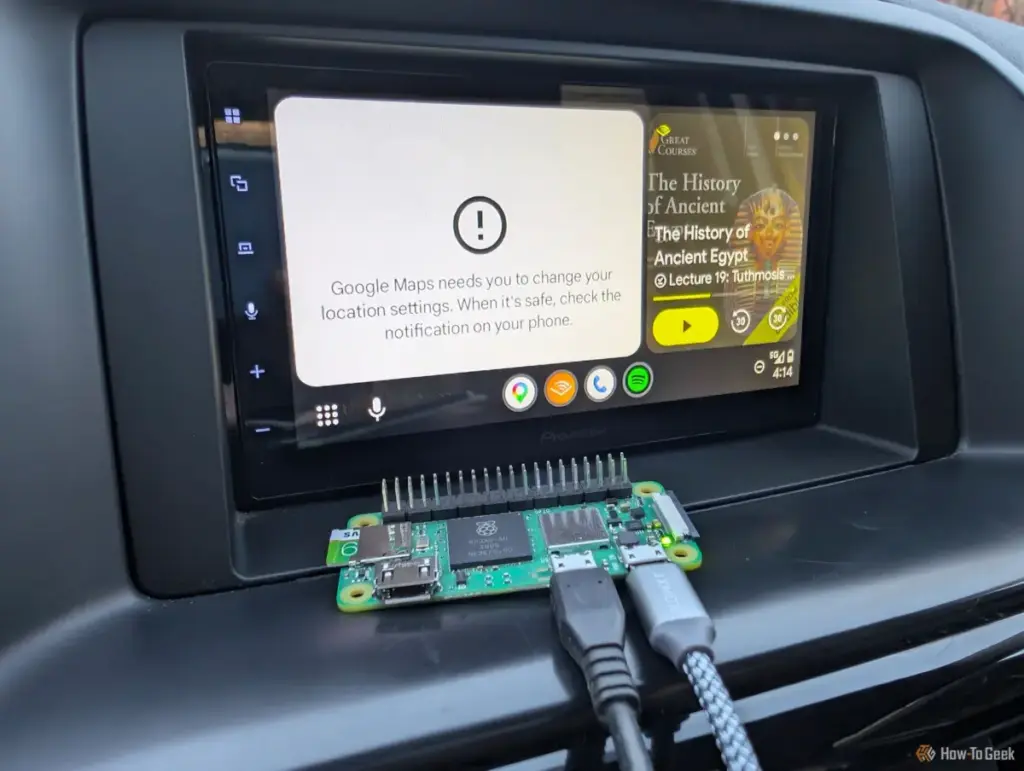
By leveraging an open-source project titled "WirelessAndroidAutoDongle," developers have created a streamlined Linux environment designed specifically for this purpose. This custom image acts as a translator, utilizing the Pi’s hardware to mimic a wired connection to the car while maintaining a wireless link to the smartphone. The result is a device that the car perceives as a standard, cable-connected phone, even as the actual device remains in the driver’s pocket.
Hardware Versatility and the "Goldilocks" Device
While the Raspberry Pi Zero 2 W is favored for its balance of price and performance, the open-source nature of the project allows for a variety of hardware configurations. Support extends to the Raspberry Pi 3 A+, the Raspberry Pi 4, and the original Pi Zero W. However, each alternative brings its own set of trade-offs that the DIY community has carefully documented.
The Raspberry Pi 4, for instance, offers more than enough power for the task but is often considered "overkill." Its larger physical footprint and higher power consumption make it difficult to hide within a vehicle’s dashboard or center console. Furthermore, the Pi 4 generates significant heat, which can be a liability in the confined, unventilated spaces of a car’s interior. On the other end of the spectrum, the original Pi Zero W remains the most affordable option, but its limited processing power can lead to perceptible lag in navigation apps or stuttering during high-bitrate music playback.
The Zero 2 W occupies the "Goldilocks" zone—small enough to be tucked behind a head unit, efficient enough to run off a standard vehicle USB port, and powerful enough to ensure a lag-free user experience. For many users, the ability to repurpose an 8GB microSD card and a $15 board into a high-utility automotive tool represents the pinnacle of modern "tinkering."
The Narrative of Implementation
The transition from a wired to a wireless cockpit is a process that underscores the accessibility of modern single-board computers. Unlike traditional automotive modifications that might require soldering or invasive wiring, the creation of a Pi-based dongle is primarily a software-driven endeavor.
The process begins with the deployment of the WirelessAndroidAutoDongle image. Using standard utilities like the Raspberry Pi Imager, the software is flashed onto a microSD card. A critical component of this setup is the configuration of the aawgd.conf file, which allows the user to set the appropriate Wi-Fi country code. This is more than a mere formality; different regions have different regulations regarding Wi-Fi frequencies, and ensuring the Pi operates on the correct channels is vital for maintaining a stable connection in various environments.
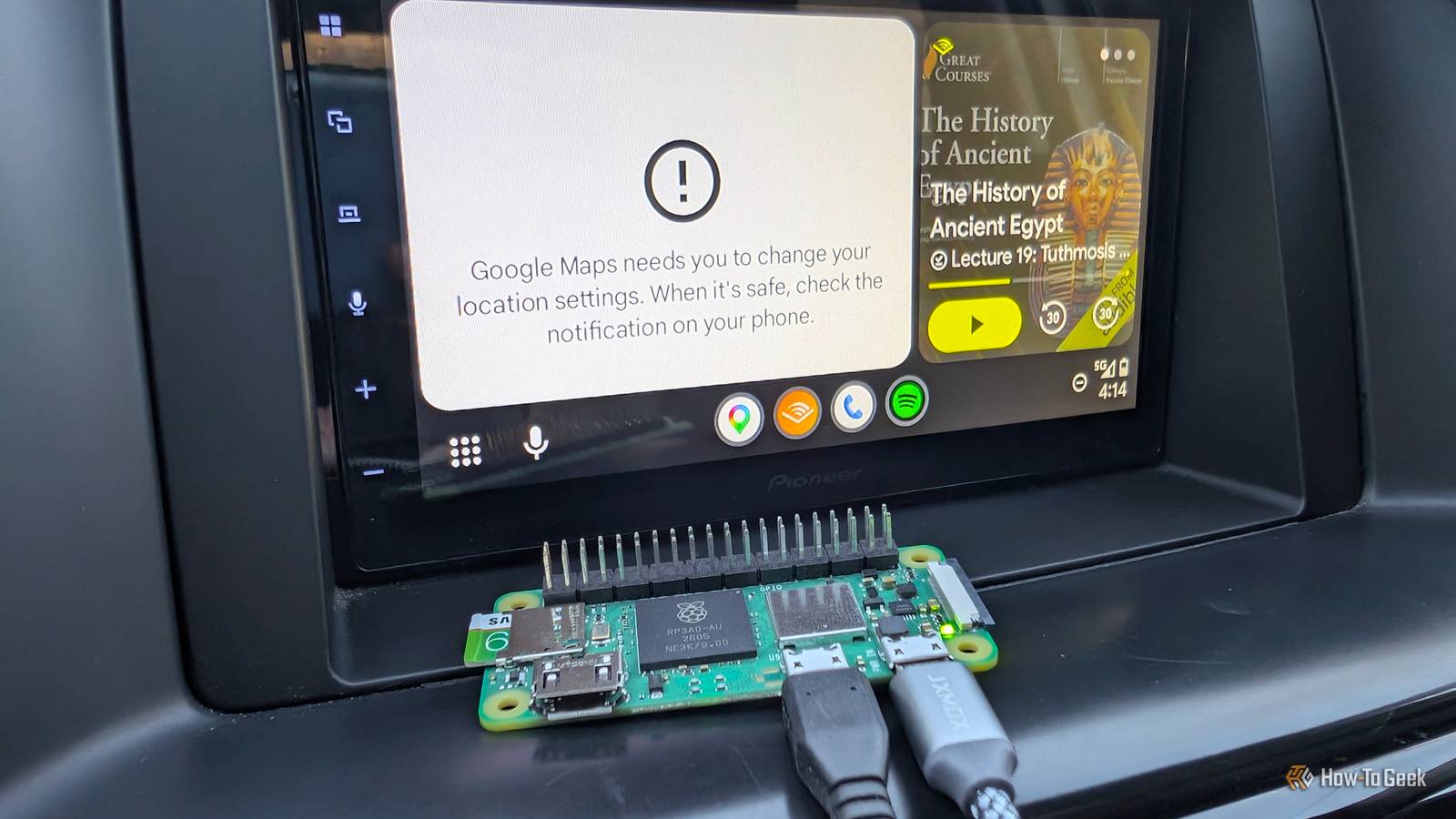
Once the software is prepared, the physical connection to the vehicle relies on a concept known as USB On-The-Go (USB-OTG). On a Raspberry Pi Zero 2 W, this requires using the specific microUSB port labeled "USB" rather than the one dedicated solely to power. This distinction is paramount: the data-capable port allows the Pi to act as a "gadget," essentially tricking the car’s head unit into seeing it as an authorized USB peripheral.
A common pitfall in this DIY journey is the choice of cabling. Many standard microUSB cables are designed for charging only, lacking the internal data lines necessary for communication. The success of the project hinges on a high-quality data cable that can facilitate the rapid exchange of information between the Pi and the vehicle’s infotainment system.
Seamless Integration and Performance Metrics
The ultimate test of any DIY tech project is its reliability in daily use. In real-world testing scenarios, the Raspberry Pi-based solution has proven remarkably resilient. One of the most surprising findings reported by users is the device’s boot speed. In many instances, the Raspberry Pi Zero 2 W initializes and establishes a connection with the smartphone faster than the vehicle’s own head unit can complete its startup sequence. This ensures that by the time the driver has shifted into gear, the Android Auto interface is already live on the screen.

The pairing logic is designed for "set and forget" convenience. After an initial Bluetooth pairing, the system automates the Wi-Fi connection. This mimics the behavior of high-end factory systems, where the phone stays in the user’s pocket or bag, and the interface appears on the dash automatically upon entry.
During extended testing, the DIY dongle showed no significant latency in critical applications. Navigation via Google Maps or Waze remained fluid, with real-time position tracking keeping pace with the vehicle’s movement. Media playback through services like Spotify or YouTube Music functioned without the audio dropouts that sometimes plague lower-end commercial adapters. Furthermore, the integration of speech-to-text and voice commands through Google Assistant remained crisp and responsive, a testament to the efficient data handling of the underlying Linux image.
The Broader Impact of Open-Source Automotive Solutions
The success of the Raspberry Pi wireless Android Auto project is a microcosm of a larger trend in consumer electronics: the rejection of planned obsolescence. As cars become increasingly software-defined, the hardware that controls their interfaces can feel outdated long before the mechanical components of the vehicle show signs of wear. Projects like this empower owners to upgrade their vehicles’ capabilities without the need for expensive hardware swaps or the purchase of a new car.
Moreover, the open-source nature of the "WirelessAndroidAutoDongle" project ensures that it can continue to evolve. As Google updates the Android Auto protocol, the community can respond with software patches, ensuring that a $15 investment today remains functional for years to come. This stands in stark contrast to many commercial "black box" adapters, which may lose support or become incompatible with newer phone models without recourse for the consumer.
For those who enjoy the intersection of technology and hands-on projects, the Raspberry Pi solution offers a rewarding challenge. It transforms a common piece of hobbyist hardware into a sophisticated automotive tool, proving that with the right software and a bit of ingenuity, the limitations of yesterday’s cars can be overcome with the innovations of today. Whether hidden behind a dashboard or tucked into a center console, these tiny computers are quietly revolutionizing the way we interact with our vehicles, one wireless connection at a time.
 Tech Tutorials & How-To Guides
Pixel 11’s Rambler AI Voice Typing Proven to Run Seamlessly on Older Hardware
The launch of a new flagship smartphone is almost always accompanied by...
 Tech Tutorials & How-To Guides
Beyond the Brand: Why Even Premium Power Drills Fail Due to Common Operational Habits
In the modern landscape of home improvement and professional construction, the cordless...
 Tech Tutorials & How-To Guides
Bridging the Gap: Caldera Music Brings the Premium Plexamp Experience to the Big Screen
For enthusiasts of self-hosted media, the Plex ecosystem has long been the...