Seamless Integration and Performance Metrics
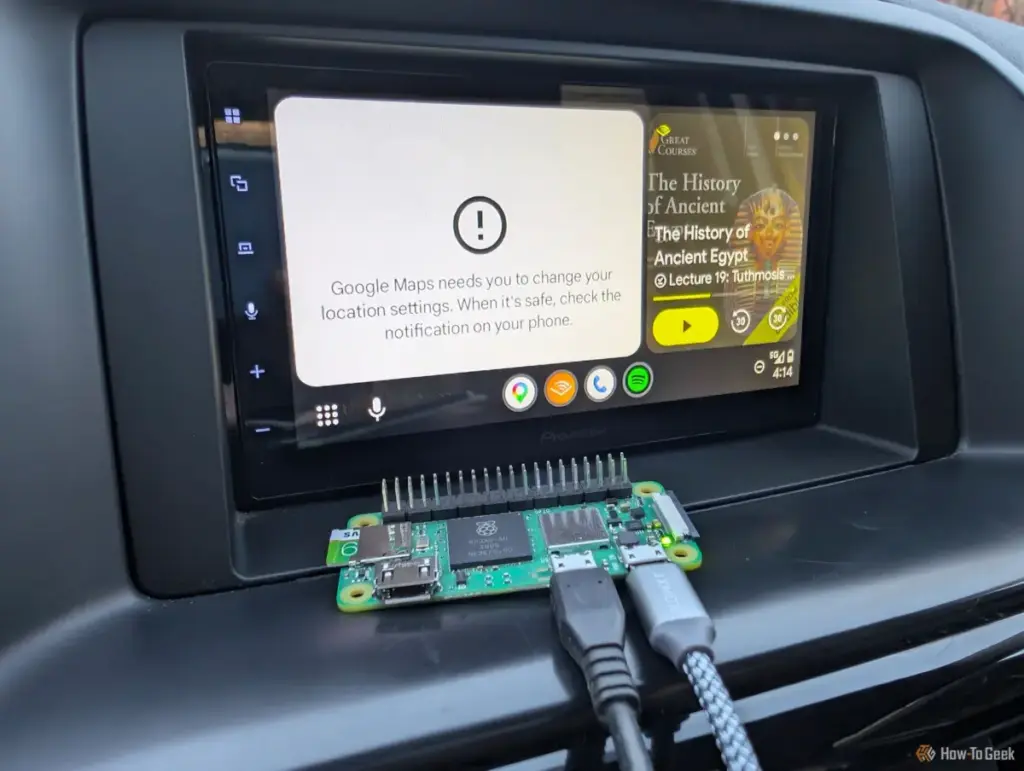
The ultimate test of any DIY tech project is its reliability in daily use. In real-world testing scenarios, the Raspberry Pi-based solution has proven remarkably resilient. One of the most surprising findings reported by users is the device’s boot speed. In many instances, the Raspberry Pi Zero 2 W initializes and establishes a connection with the smartphone faster than the vehicle’s own head unit can complete its startup sequence. This ensures that by the time the driver has shifted into gear, the Android Auto interface is already live on the screen.

The pairing logic is designed for "set and forget" convenience. After an initial Bluetooth pairing, the system automates the Wi-Fi connection. This mimics the behavior of high-end factory systems, where the phone stays in the user’s pocket or bag, and the interface appears on the dash automatically upon entry.
During extended testing, the DIY dongle showed no significant latency in critical applications. Navigation via Google Maps or Waze remained fluid, with real-time position tracking keeping pace with the vehicle’s movement. Media playback through services like Spotify or YouTube Music functioned without the audio dropouts that sometimes plague lower-end commercial adapters. Furthermore, the integration of speech-to-text and voice commands through Google Assistant remained crisp and responsive, a testament to the efficient data handling of the underlying Linux image.
The Broader Impact of Open-Source Automotive Solutions
The success of the Raspberry Pi wireless Android Auto project is a microcosm of a larger trend in consumer electronics: the rejection of planned obsolescence. As cars become increasingly software-defined, the hardware that controls their interfaces can feel outdated long before the mechanical components of the vehicle show signs of wear. Projects like this empower owners to upgrade their vehicles’ capabilities without the need for expensive hardware swaps or the purchase of a new car.
Moreover, the open-source nature of the "WirelessAndroidAutoDongle" project ensures that it can continue to evolve. As Google updates the Android Auto protocol, the community can respond with software patches, ensuring that a $15 investment today remains functional for years to come. This stands in stark contrast to many commercial "black box" adapters, which may lose support or become incompatible with newer phone models without recourse for the consumer.
For those who enjoy the intersection of technology and hands-on projects, the Raspberry Pi solution offers a rewarding challenge. It transforms a common piece of hobbyist hardware into a sophisticated automotive tool, proving that with the right software and a bit of ingenuity, the limitations of yesterday’s cars can be overcome with the innovations of today. Whether hidden behind a dashboard or tucked into a center console, these tiny computers are quietly revolutionizing the way we interact with our vehicles, one wireless connection at a time.
 Tech Tutorials & How-To Guides
Amazon Unveils Comprehensive 2026 Kindle Overhaul Featuring First Color Scribe and Thinner Designs
Amazon has officially announced a sweeping transformation of its entire Kindle ecosystem,...
 Tech Tutorials & How-To Guides
The Power of Automation: Why Home Assistant Users Are Rediscovering These Underutilized Features
The landscape of the modern smart home has shifted dramatically over the...
 Tech Tutorials & How-To Guides
Classic Emotional Cinema: Four Heart-Wrenching Masterpieces Currently Streaming on Netflix
The power of cinema often lies in its ability to transcend the...