

From a technical or business standpoint, Verisign may view the third-level .name registrations as a legacy system that is no longer profitable or efficient to maintain. However, critics argue that the "personal" nature of the .name TLD carries a higher ethical obligation to users. Unlike a business that might change its name or a hobbyist who might let a domain lapse, individuals who have used the same email address for 25 years have integrated that address into the very fabric of their lives.
The argument for a reversal of course is rooted in the principle of digital stability. If the organizations that govern the internet’s infrastructure can arbitrarily terminate a twenty-year-old identity, it undermines trust in the system as a whole. For senior citizens like Johnston and her mother, who may have limited technical support and are more vulnerable to the complexities of modern digital security, the forced migration is particularly punitive.
Furthermore, the fact that Johnston’s domain was paid for and "secured" through 2030 raises questions about the contractual obligations of the registry and registrars. Users who have paid for long-term registrations did so under the assumption that their digital identity was safe for the duration of that term. Truncating that period creates a breach of expectations that many feel ICANN is obligated to address.
The Broader Implications for Digital Identity
The struggle facing .name users serves as a cautionary tale for the broader internet community. As the digital landscape evolves, the permanence of our online identities is often taken for granted. We treat our email addresses and domains as fixed points, yet they are ultimately dependent on the policy decisions of a few centralized entities.
The situation with .name highlights the need for better "sunset" protocols for legacy internet services. If a service must be discontinued, the transition period and the support offered to users must be commensurate with the duration and importance of the service. A few months of notice is arguably insufficient for a twenty-five-year-old account linked to hundreds of external services.
As ICANN reviews the reconsideration requests coming in from users like Judy Johnston, the domain industry is watching closely. The outcome will signal whether the governing bodies of the internet prioritize technical consolidation and registry efficiency over the stability and rights of individual long-term users.
For now, Johnston continues the grueling process of auditing her digital life, one account at a time. Her story remains a powerful testament to the fact that behind every domain record is a human being whose life is increasingly defined by the strings of characters they use to log in, communicate, and exist online. The "full-time job" of reclaiming her identity from a looming termination is a burden she—and many others—believe they should never have had to carry.
 Web Hosting & Domain Management
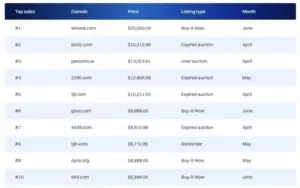
Dynadot Q2 Report Reveals High Volume and Tight Margins in the Domain Aftermarket
In a comprehensive release that provides a rare glimpse into the high-volume...
 Web Hosting & Domain Management
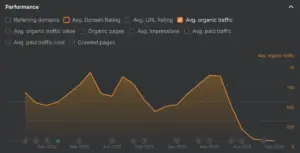
The Hidden Economy of Expired Domains: Analyzing the June SEO Auction High-Rollers
In the specialized world of domain name investing, a high sale price...
 Web Hosting & Domain Management
Domain Owners Face Imminent Cost Increases as Verisign Sets November Deadline for .Com Price Hike
The landscape of the internet’s most valuable digital real estate is poised...







