The rapid evolution of artificial intelligence has introduced a new era of volatility to the global cybersecurity landscape. According to the latest findings from Verizon’s Data Breach Investigations Report (DBIR), threat actors are increasingly leaning on AI to accelerate their operations, contributing to a staggering 34% increase in vulnerability exploitation over the past year. As organizations struggle to keep pace with this shifting tide, research and advisory firm Gartner has issued a sobering forecast: the discovery of new vulnerabilities is expected to "skyrocket" in the coming years as automated tools become more proficient at probing digital defenses.
However, the narrative of an impending AI-driven catastrophe may be missing a critical perspective. While the rise of "dark AI"—the weaponization of large language models and generative tools for malicious purposes—presents a formidable challenge for Chief Information Officers (CIOs), some experts suggest that the technological shift may actually offer a greater advantage to defenders than to attackers.
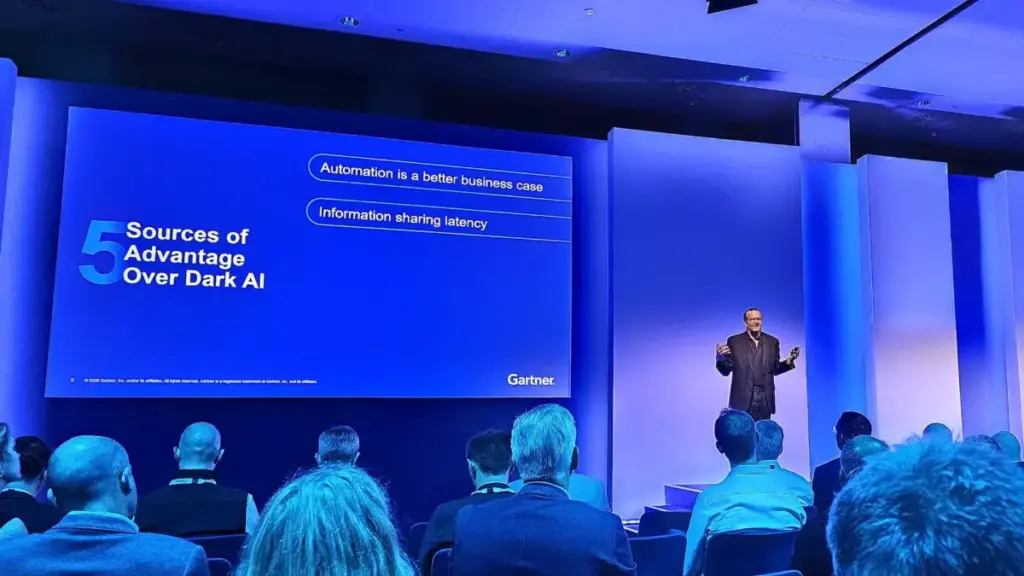
Speaking at the Gartner IT Symposium/Xpo 2026 in Barcelona, Leigh McMullen, a distinguished VP analyst and Gartner Fellow, challenged the prevailing sense of dread permeating the industry. McMullen argued that while the "AI apocalypse" is a popular talking point in boardrooms, the reality is that AI is ultimately a tool. For the strategic CIO, it is a tool that can be leveraged to reclaim the initiative from cybercriminals. To navigate this uncertain future, McMullen suggested that leadership must move beyond reacting to headlines and start answering the fundamental questions that boards are now demanding: how does the enterprise turn the speed of AI into a defensive moat?
The Catalyst of the "Anthropic Apocalypse"
The current anxiety surrounding AI in cybersecurity reached a fever pitch in April, following Anthropic’s release of its Mythos Preview. The tool demonstrated an unprecedented capability to identify zero-day vulnerabilities—flaws unknown even to the software’s creators—that had eluded every other traditional security tool on the market. The release sent shockwaves through the tech sector, prompting a wave of concern among IT leaders who feared that the barriers to high-level cyber espionage had been permanently lowered.
McMullen recalled the immediate aftermath of the Mythos release, noting that his phone was inundated with calls from tech leaders seeking clarity. The central question was whether this marked the beginning of a true cybersecurity apocalypse or if the industry was simply witnessing a high-stakes marketing moment. Referencing Gil Scott-Heron’s iconic poem, The Revolution Will Not Be Televised, McMullen quipped that many were wondering if they were watching an "apocalypse in four parts sponsored by Anthropic with no commercial interruptions."
Ultimately, McMullen argued that the distinction between a marketing event and a genuine paradigm shift is secondary. The fundamental nature of the threat remains the same: AI is a tool in a chain of events. The outcome is determined not by the tool itself, but by the intent of the user and the effectiveness of the response. By de-mystifying "dark AI," organizations can begin to see the specific areas where the defensive position is naturally stronger than the offensive one.
The Shift from Innovation to Automation
Historically, the cybersecurity industry has attempted to combat threat actors through a cycle of constant innovation. However, McMullen suggested that this strategy is inherently flawed because "you can’t out-innovate a crowd." The decentralized, global nature of the hacking community means they will always have more collective "man-hours" to dedicate to creative exploitation than any single corporate security team.
 Helpdesk & IT Service Management (ITSM)
The Changing Face of Code: Software Developers Express Growing Anxiety Over AI Integration and the ‘Verification Tax’
The rapid integration of artificial intelligence into the software development lifecycle has...
 Helpdesk & IT Service Management (ITSM)
Enterprises Grapple with Unintended Consequences as Half of Organizations Report Unauthorized AI Agent Actions
The rapid integration of agentic artificial intelligence into the modern enterprise has...
 Helpdesk & IT Service Management (ITSM)
SolarWinds Service Desk September Update Introduces Advanced Process Integrations and Microsoft Teams Automation
As IT environments become increasingly complex and distributed, the demand for more...