

The nature of the vulnerability suggests that any service using GoBalance that has not yet changed its keys remains a "sitting duck." Because the exploit relies on public descriptors, attackers can scan the Tor network for signatures generated by vulnerable versions of the software, potentially harvesting keys for dozens of smaller or less-monitored services that may not yet realize they are at risk.
No Official Fix Yet
As of the second week of October, a coordinated official response to the vulnerability has been slow to materialize. On October 9, checks of the U.S. National Vulnerability Database revealed that no CVE (Common Vulnerabilities and Exposures) identifier had been assigned to the flaw. Furthermore, there have been no formal security advisories issued by the Tor Project or the primary maintainers of the GoBalance repository.

In the absence of an official patch, the dark-web community has taken matters into its own hands. The Dread administration announced plans to develop and release a patched version of GoBalance and offered to assist other affected site operators in securing their infrastructure. Additionally, an independent security researcher has published a community-developed patch on GitHub, along with a working proof-of-concept (PoC) script. This PoC demonstrates how an attacker can successfully recover a master key from a single public descriptor. The researcher noted that the demonstration was conducted using test keys created specifically for the PoC and that no live services were targeted during the development of the script. While this community patch is available, it has not undergone an official audit, and many operators remain cautious about its implementation.
What Operators and Users Should Do
For administrators of dark-web services, the discovery of the GoBalance flaw presents a significant logistical challenge. The most critical takeaway is that a software patch, while necessary for future security, cannot fix a key that has already been exposed. Once a vulnerable GoBalance instance has published a signed descriptor to the Tor network, the master key for that address must be considered compromised.
As a result, any site that has operated using a vulnerable version of GoBalance must follow the example of Dread and Omega: they must generate an entirely new .onion address and migrate their service to it. Simply updating the software while retaining the old keys will not prevent an attacker who has already harvested the key from continuing to hijack the address. Operators are also advised to ensure that any new keys are stored in the more secure formats supported by GoBalance to mitigate the risk of similar issues in the future.
For the users of these services, the situation requires heightened vigilance. The primary risk is that a hijacked address will lead to a perfectly mirrored phishing site designed to steal login credentials or financial information. Users are urged to change their passwords on any site that may have been affected, as well as on any other platforms where they might have reused the same credentials.
Furthermore, users should no longer trust an .onion address simply because it was previously bookmarked or known to be official. Before interacting with a migrated service, users should look for official announcements that are cryptographically signed with the service’s PGP key. Verifying these signatures is currently the only reliable way to ensure that a new address actually belongs to the original operators and is not a trap set by those exploiting the GoBalance vulnerability.
 Cybersecurity Basics & Security News
The Evolution of the Vulnerability Gap: Defending Against the Rise of Mythos-Class AI Attacks
In the modern cybersecurity landscape, the arrival of a new Common Vulnerabilities...
 Cybersecurity Basics & Security News
Active Exploitation of Two New Unpatched Zero-Day Vulnerabilities Discovered in Citrix NetScaler Appliances
Security researchers and enterprise IT departments are on high alert following reports...
 Cybersecurity Basics & Security News
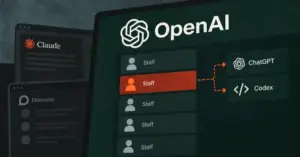
AI vs. AI: How Researchers Used Claude Opus 5 to Breach OpenAI’s Internal Systems
In a sophisticated demonstration of the "double-edged sword" nature of generative artificial...







