
The third example provided by the developer highlights the logic-based potential of the system: "If someone comes home after midnight, turn only the hallway light to 15%." This prompt is particularly notable because it combines a location-based trigger (someone arriving home) with a time-based condition (after midnight) and a specific device state (dimmed lighting). For many users, setting up such conditional logic in the native Apple Home app can be a cumbersome process, often requiring the use of Shortcuts or third-party logic gates. The AI feature in Controller for HomeKit seeks to condense that entire logical chain into a single, understandable sentence.
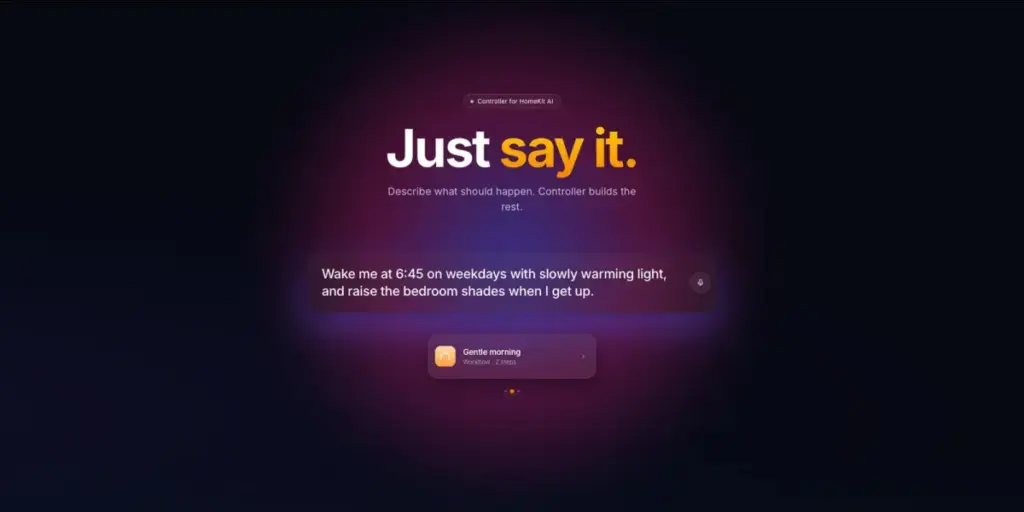
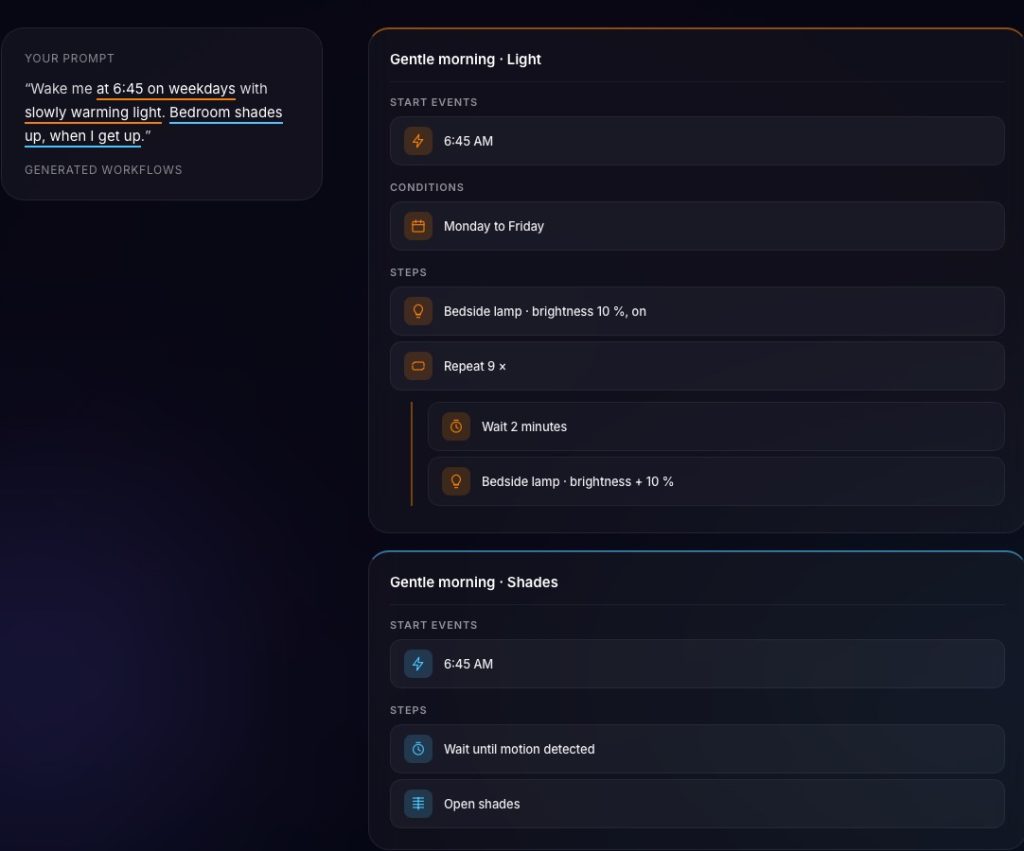
The technical sophistication required to turn these prompts into HomeKit commands is substantial. When a user enters a phrase like the morning routine mentioned above, the app must parse the text to identify the "when" (6:45 AM, weekdays), the "what" (light, bedroom shades), and the "how" (slowly warming, raising). It then cross-references these intents with the user’s existing HomeKit database to find the specific lights and shades that match the description. This level of contextual awareness is what sets the AI update apart from basic voice commands, as it focuses on the creation of permanent automations rather than just one-time executions.
Despite the complexity of the backend, early indications suggest that the system is remarkably intuitive. In a brief initial test of the feature, the app was asked to perform a relatively simple but multi-step automation: switching on a bedroom fan specifically when the living room lights were turned off. This type of "cross-room" logic is a common requirement for users who want their home to react to their movements and habits. Even with a minimal smart home setup consisting of only a few lights and a smart plug, the AI was able to perfectly interpret the request and generate a functional automation without further manual intervention.
The timing of this update is particularly relevant as the broader tech industry moves toward "Apple Intelligence" and more integrated AI experiences across the iOS and macOS ecosystems. While Apple has signaled that Siri will become more capable of handling on-device tasks through its own AI advancements, third-party developers like those behind Controller for HomeKit are moving quickly to provide specialized, high-power tools for the "prosumer" market. Controller for HomeKit has long been known for features that Apple’s native Home app lacks, such as the ability to back up and restore HomeKit configurations, detailed logging of device states, and advanced "Workflows" that can trigger multiple scenes across different homes.
However, these advanced capabilities and the new AI integration come with a specific pricing structure. Controller for HomeKit operates on a subscription model, reflecting the ongoing costs associated with maintaining a high-end management tool and the cloud-based resources often required for advanced AI processing. The "Essentials" tier is priced at $40 per year, while the "Plus" tier, which includes the full suite of advanced features, is available for $80 per year. For those who are hesitant to commit to a yearly subscription without testing the AI’s efficacy in their own environment, the developer offers a seven-day free trial.
 Smart Home & IoT Solutions
Apple Signals Major Smart Home Push with AI-Driven Home App Upgrades and 4K Video Support in iOS 27
As Apple prepares for its highly anticipated "Welcome Home" special event scheduled...
 Smart Home & IoT Solutions
Apple to Require 2TB iCloud+ Subscription for New AI-Powered Home Security Features
As Apple continues to integrate its sophisticated "Apple Intelligence" across its ecosystem,...
 Smart Home & IoT Solutions
Apple to Unveil ‘HomeView’ Smart Hub at ‘Welcome Home’ Event as Part of Major Smart Home Expansion
Apple is preparing to significantly escalate its presence in the domestic technology...







