
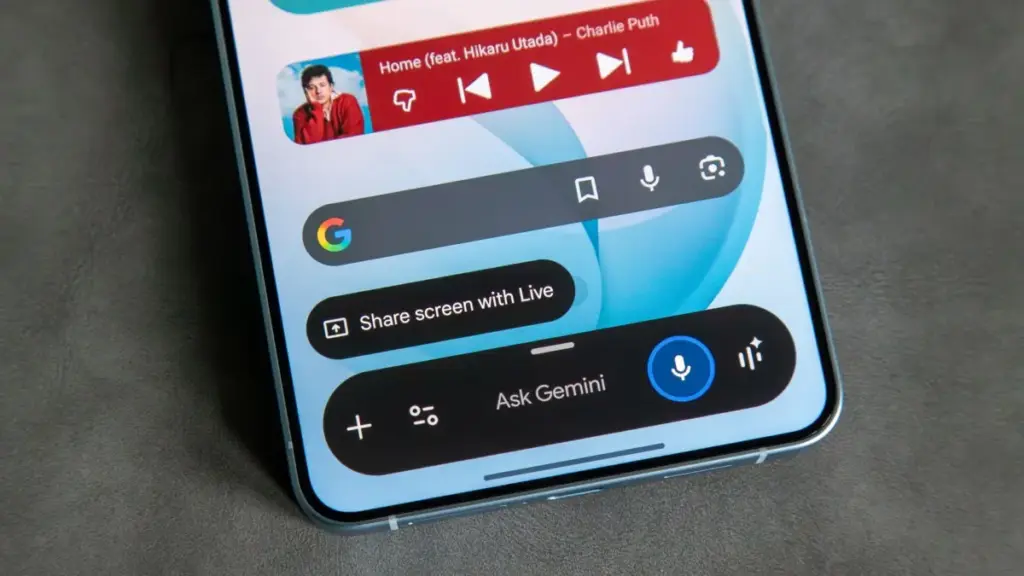
The landscape of mobile artificial intelligence shifted significantly last month when Google officially began the process of decommissioning its long-standing digital helper, Google Assistant, in favor of its more advanced, Large Language Model-based successor, Gemini. This transition, which reached a critical milestone on September 4, 2026, marked the end of an era for millions of Android users who had grown accustomed to the speed and specific utility of the legacy assistant. However, as is often the case with major software shifts, the user community has not remained silent. A new workaround, discovered and shared by a member of the Reddit community, suggests that the "pulling of the plug" might not be as permanent as Google intended.
For over a decade, Google Assistant served as the cornerstone of the Android ecosystem, evolving from the early days of Google Now into a sophisticated voice interface capable of managing smart homes, setting complex routines, and providing rapid-fire answers to daily queries. The forced migration to Gemini has been met with a mixture of excitement for its generative capabilities and frustration from "power users" who feel the new AI lacks the snappiness and reliability of its predecessor. It is within this climate of resistance that a Redditor has reportedly found a way to bypass the Gemini requirement and force the original Google Assistant back into service.
The discovery, which was first highlighted by Android Police following a trending post on the r/GoogleAssistant subreddit, details a multi-step process that exploits the way Android handles system app updates. According to the user’s findings, the path back to the legacy experience begins with the removal of recent software layers. By navigating to the system settings and uninstalling all updates to the primary Google app, the device is essentially forced to revert to the factory-shipped version of the search and assistant framework.
Once the application has been rolled back to its base version, the Redditor suggests that users must then visit the specific Google Assistant listing on the Google Play Store. By triggering the assistant from this official store page, the system reportedly bypasses the standard Gemini onboarding flow. In many instances, this allows the old interface—complete with its familiar colorful dots and concise UI—to manifest once again.
Central to this workaround is a specific interaction with Google’s migration prompts. Since the rollout of Gemini as the default Android assistant, users have been frequently met with full-screen invitations to "upgrade" their experience. While these prompts are designed to be the final word on the matter, the Redditor noted that through this specific rollback method, the system presents an option to decline the Gemini switch. By selecting the option to remain with the legacy service, users have successfully re-established Google Assistant as their default digital companion, restoring a functional environment that many thought had been permanently deleted from Google’s servers.
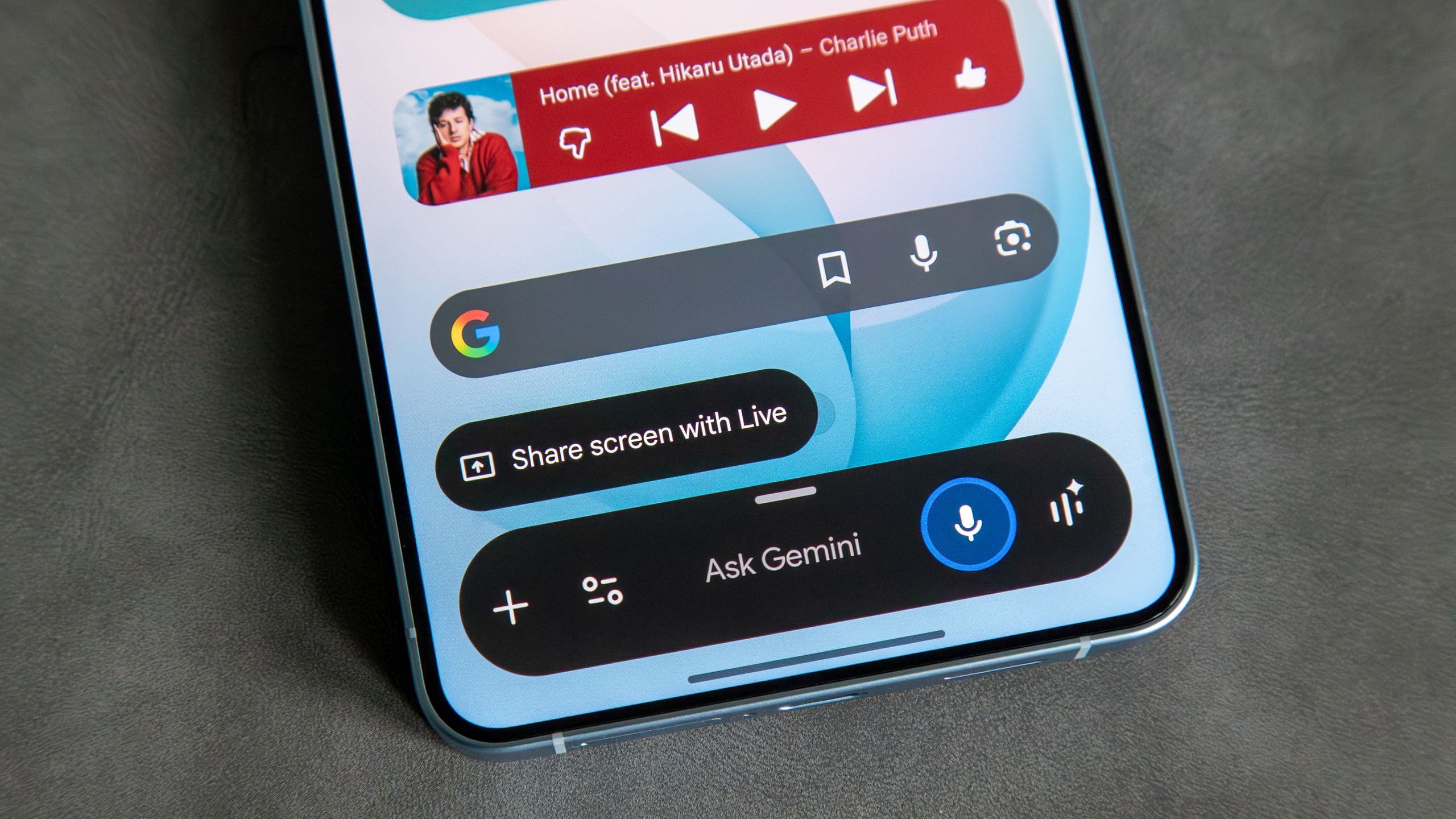
However, the restoration of the classic assistant is not a "set it and forget it" solution. Because Google’s ecosystem is designed to keep core applications updated for security and feature parity, the system will naturally attempt to re-install the latest version of the Google app—and with it, the mandatory Gemini interface. To combat this, the workaround requires a manual intervention in the Play Store’s management settings.
Experts and community members who have verified the method note that users must proactively disable automatic updates for the Google app. This is achieved by navigating to the Google app’s listing in the Play Store, selecting the three-dot overflow menu in the upper right corner, and unchecking the "Enable auto-update" toggle. Without this step, the device’s background maintenance scripts would likely overwrite the workaround within hours, returning the user to the Gemini-led interface they were attempting to avoid.
The desire to return to Google Assistant highlights a growing divide in the tech world between the proponents of traditional, task-oriented voice assistants and the new wave of generative AI. While Gemini offers impressive creative writing, coding assistance, and conversational depth, many users have reported that it struggles with the "basics" that Google Assistant mastered years ago. Issues such as slower response times for simple tasks like setting a kitchen timer, inconsistent integration with third-party smart home devices, and the requirement of an active data connection for tasks that were previously handled on-device have fueled the search for these types of workarounds.
Furthermore, the "AI-fication" of the smartphone experience has introduced a layer of complexity that some find unnecessary for quick, utility-based interactions. Google Assistant was built on a foundation of "intent and action," where a specific command led to a predictable result. Gemini, by contrast, is a reasoning engine that sometimes interprets commands with a level of abstraction that can result in "hallucinations" or unexpected conversational detours. For the user who simply wants to turn off their bedroom lights or check the weather while heading out the door, the legacy assistant often remains the superior tool.
Despite the success of this current workaround, industry analysts warn that it is likely a temporary reprieve. Google has historically been very effective at closing loopholes that allow users to run deprecated versions of its services. Because much of the assistant’s functionality relies on server-side processing rather than just the code living on the phone, Google can theoretically disable the legacy assistant’s "brain" at the server level, rendering the app on the phone useless regardless of which version is installed.
There are also security implications to consider when utilizing such a method. The Google app is a critical piece of the Android security architecture, handling everything from safe browsing to account authentication. By rolling back to an older version and disabling updates, users are effectively opting out of the latest security patches and bug fixes. While the allure of the old UI is strong, it comes at the cost of running potentially vulnerable software on a device that contains a wealth of personal and financial data.
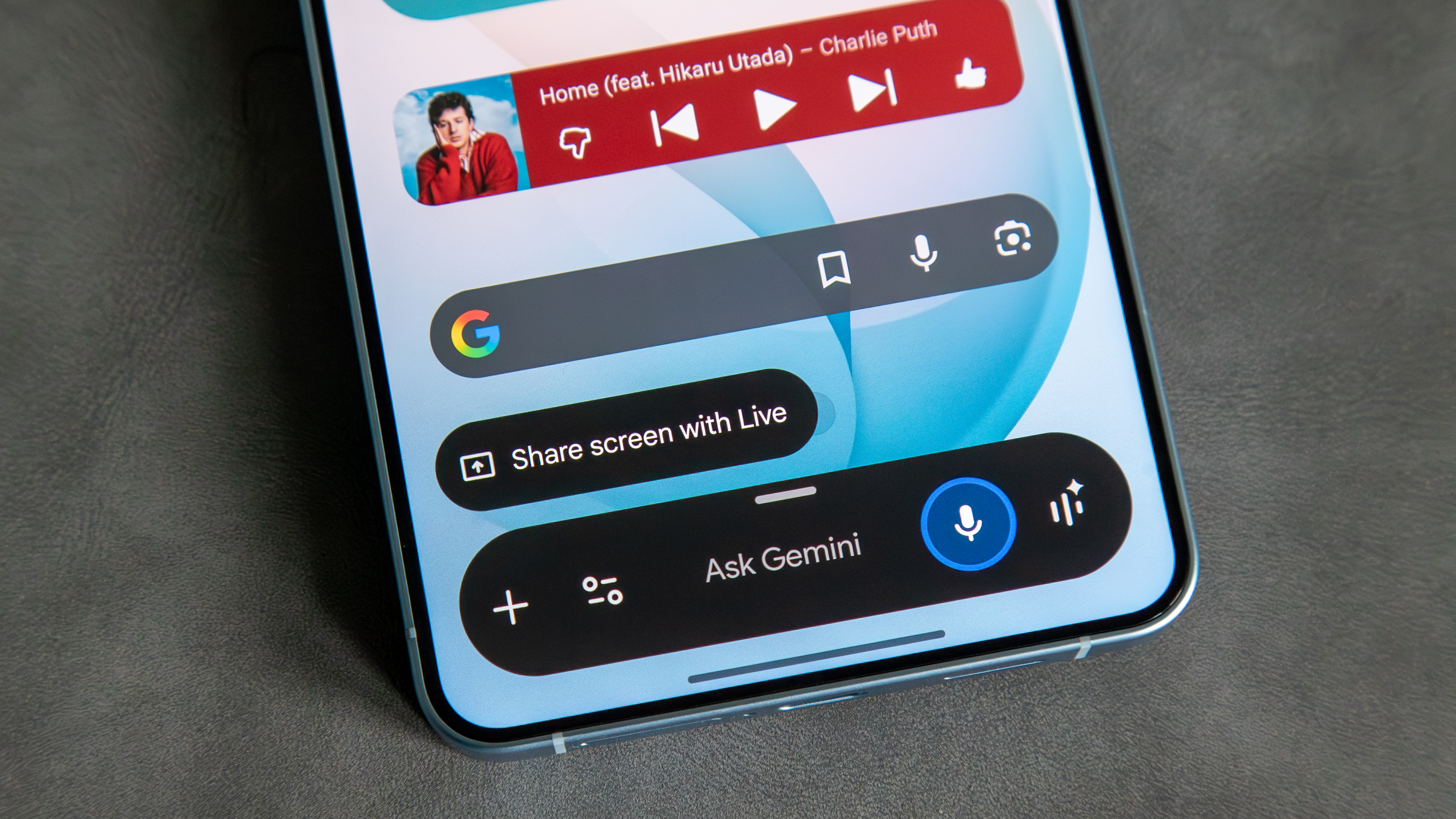
The timeline provided in recent reports suggests that Google is fully committed to Gemini as the future of its mobile strategy. The deprecation of Google Assistant on September 4, 2026, was not an isolated event but part of a broader roadmap to integrate "Gemini Nano" and other on-device AI models into the very fabric of the Android operating system. This shift is seen as a direct response to the competitive pressure from Apple Intelligence and Microsoft’s Copilot integration, both of which are pushing the industry toward a model where the "assistant" is a proactive, generative entity rather than a reactive voice command system.
For the time being, the Reddit community continues to experiment with the boundaries of what is possible on the Android platform. The ability to "force" a deprecated service back to life is a testament to the open nature of the Android OS, even as Google moves toward a more controlled, AI-centric environment. Whether this workaround lasts for weeks or months remains to be seen, but it serves as a clear signal to Google that a significant portion of its user base still values the reliability and simplicity of the legacy Assistant.
As the tech giant continues to refine Gemini, it may look to incorporate more of the "instant-action" features that users miss from the old days. Until then, those who are tech-savvy enough to navigate the risks of rolling back their system apps have a narrow window to enjoy the familiar voice and interface of the Google Assistant. For everyone else, the transition to the era of Gemini appears to be the inevitable path forward, regardless of the nostalgia for the tools that helped define the last decade of the smartphone experience.
The situation remains fluid, and as more users attempt the workaround, it is expected that Google will monitor the traffic patterns of legacy assistant pings. If the volume of users bypassing Gemini becomes significant, a more permanent server-side "kill switch" could be implemented sooner rather than later. For now, the "back door" discovered on Reddit remains open, providing a nostalgic and functional retreat for those not yet ready to embrace the generative AI future.
 Mobile Device Management (MDM) & Mobile OS
Next-Generation Google TV Streamer Reportedly in Development with Hands-Free Voice Controls and Presence Sensing
Google appears to be accelerating its ambitions for the living room, as...
 Mobile Device Management (MDM) & Mobile OS
Samsung Reportedly Developing ‘Galaxy Studio’ Over-Ear Headphones to Challenge Apple and Sony
For nearly a decade, the premium over-ear headphone market has been defined...
 Mobile Device Management (MDM) & Mobile OS
Meowdoku: How a Cat-Themed Logic Puzzle Became a Viral Sensation Despite an Exhausting Ad Experience
In the modern digital landscape, the mobile gaming market is increasingly saturated...







