
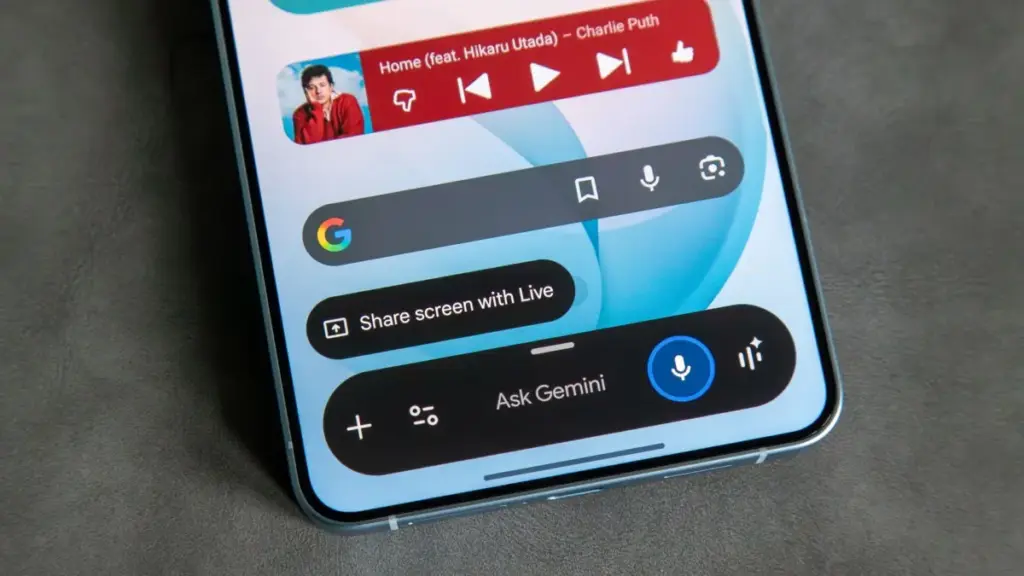
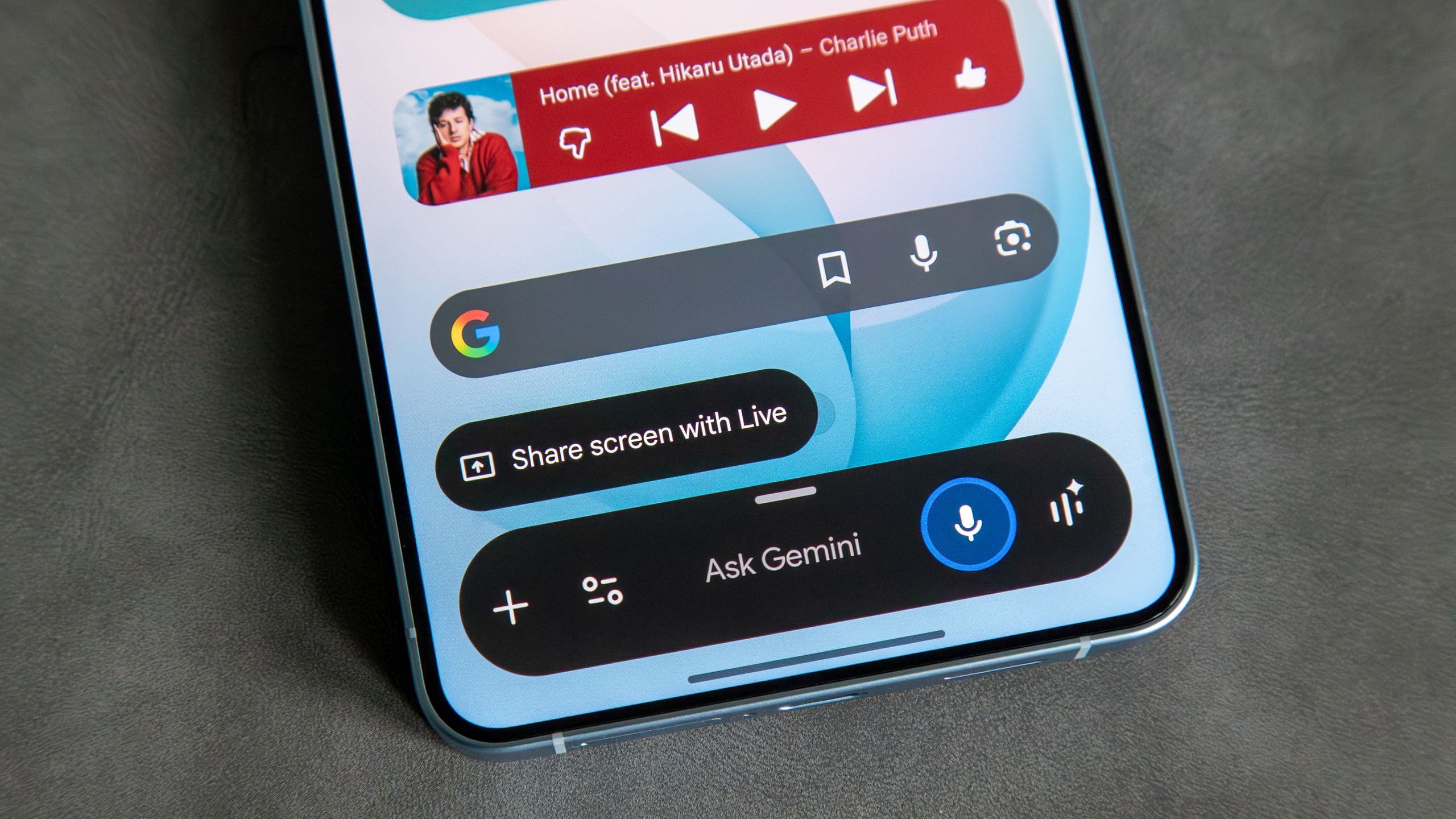
However, the restoration of the classic assistant is not a "set it and forget it" solution. Because Google’s ecosystem is designed to keep core applications updated for security and feature parity, the system will naturally attempt to re-install the latest version of the Google app—and with it, the mandatory Gemini interface. To combat this, the workaround requires a manual intervention in the Play Store’s management settings.
Experts and community members who have verified the method note that users must proactively disable automatic updates for the Google app. This is achieved by navigating to the Google app’s listing in the Play Store, selecting the three-dot overflow menu in the upper right corner, and unchecking the "Enable auto-update" toggle. Without this step, the device’s background maintenance scripts would likely overwrite the workaround within hours, returning the user to the Gemini-led interface they were attempting to avoid.
The desire to return to Google Assistant highlights a growing divide in the tech world between the proponents of traditional, task-oriented voice assistants and the new wave of generative AI. While Gemini offers impressive creative writing, coding assistance, and conversational depth, many users have reported that it struggles with the "basics" that Google Assistant mastered years ago. Issues such as slower response times for simple tasks like setting a kitchen timer, inconsistent integration with third-party smart home devices, and the requirement of an active data connection for tasks that were previously handled on-device have fueled the search for these types of workarounds.
Furthermore, the "AI-fication" of the smartphone experience has introduced a layer of complexity that some find unnecessary for quick, utility-based interactions. Google Assistant was built on a foundation of "intent and action," where a specific command led to a predictable result. Gemini, by contrast, is a reasoning engine that sometimes interprets commands with a level of abstraction that can result in "hallucinations" or unexpected conversational detours. For the user who simply wants to turn off their bedroom lights or check the weather while heading out the door, the legacy assistant often remains the superior tool.
Despite the success of this current workaround, industry analysts warn that it is likely a temporary reprieve. Google has historically been very effective at closing loopholes that allow users to run deprecated versions of its services. Because much of the assistant’s functionality relies on server-side processing rather than just the code living on the phone, Google can theoretically disable the legacy assistant’s "brain" at the server level, rendering the app on the phone useless regardless of which version is installed.
 Mobile Device Management (MDM) & Mobile OS
Xreal One Pro Receives Significant Price Cut During Prime Big Deal Days as the Market for Wearable Displays Expands
The landscape of personal entertainment and mobile productivity is undergoing a quiet...
 Mobile Device Management (MDM) & Mobile OS
Google Reportedly Developing Next-Generation TV Streamer with Hands-Free Voice Controls and Presence Sensing
The landscape of home entertainment is shifting once again as reports emerge...
 Mobile Device Management (MDM) & Mobile OS
Samsung’s Foray into the Googlebook Era: Leaked Benchmarks Reveal Snapdragon X Elite Power and Android 17 Integration
The landscape of portable computing is undergoing its most significant transformation in...







