
In the rapidly evolving landscape of the modern smart home, the promise of a seamless, automated lifestyle often hits a frustrating roadblock: the complexity of configuration. For years, early adopters and tech enthusiasts have curated collections of smart bulbs, connected thermostats, and intelligent sensors, only to find that the "intelligence" part of the equation remains elusive. While the hardware has matured, the software side—specifically the creation of meaningful, lifestyle-driven automation routines—frequently requires a level of patience and technical foresight that many consumers simply do not possess.
Namerah Saud Fatmi, a veteran tech journalist with nearly a decade of experience covering the mobile and smart home sectors, recently encountered this exact dilemma. Despite her deep familiarity with the latest gadgets, the challenge of nailing the perfect automation routines for her own living space remained a hurdle. The solution, it turned out, lay not in more hardware, but in the sophisticated application of generative artificial intelligence. By leveraging Google’s Gemini AI and the "Personal Intelligence" features of the Pixel 10 Pro, Fatmi demonstrated how the next generation of smart homes will likely be built: not through manual triggers and complex "if-this-then-that" logic, but through conversational AI that already understands the user’s life.
The Challenge of the Manual Smart Home
The traditional smart home experience is often characterized by a fragmented ecosystem. Users frequently find themselves jumping between various apps to schedule lights or adjust temperatures, and while platforms like Google Home and Amazon Alexa have attempted to centralize these controls, the actual creation of "routines" remains a manual chore. For many, the process of identifying which devices should turn on at what time, and under what conditions, is an exercise in trial and error that rarely results in a perfect fit.
Fatmi’s journey into AI-assisted automation began with a realization that her existing setup, while robust, was underutilized. Her home relies on a Matter-compatible hub from SwitchBot, a strategic choice that allows for the centralization of diverse devices. Because the hub includes an infrared (IR) blaster, it effectively "smartens up" older, non-connected technology, bringing legacy appliances into the Google Assistant and Alexa ecosystems. These devices are neatly categorized by room within the Google Home app, yet the synergy between them was lacking until she turned to Gemini.
The decision to use Gemini was fueled by a pragmatic approach to digital privacy. In an era where data security is a constant concern, Fatmi took a transparent stance: since Google already possesses her user history, location data, and device logs, it was only logical to put that data to work. Using a Pixel 10 Pro equipped with the Google AI Plus plan, she sought to see if Gemini could translate her digital footprint into a more comfortable physical environment.
Knowledge is Power: The Information Audit
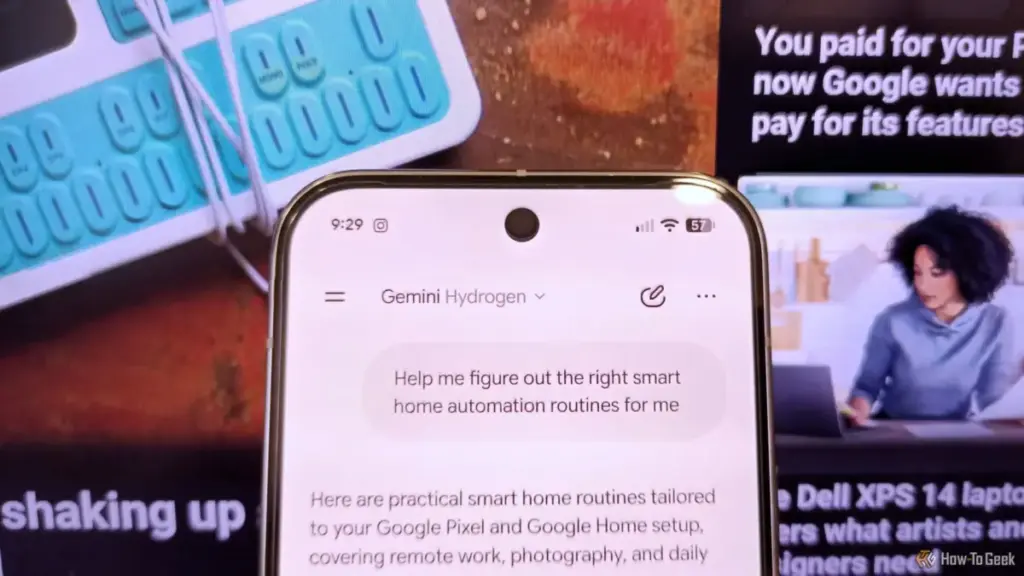
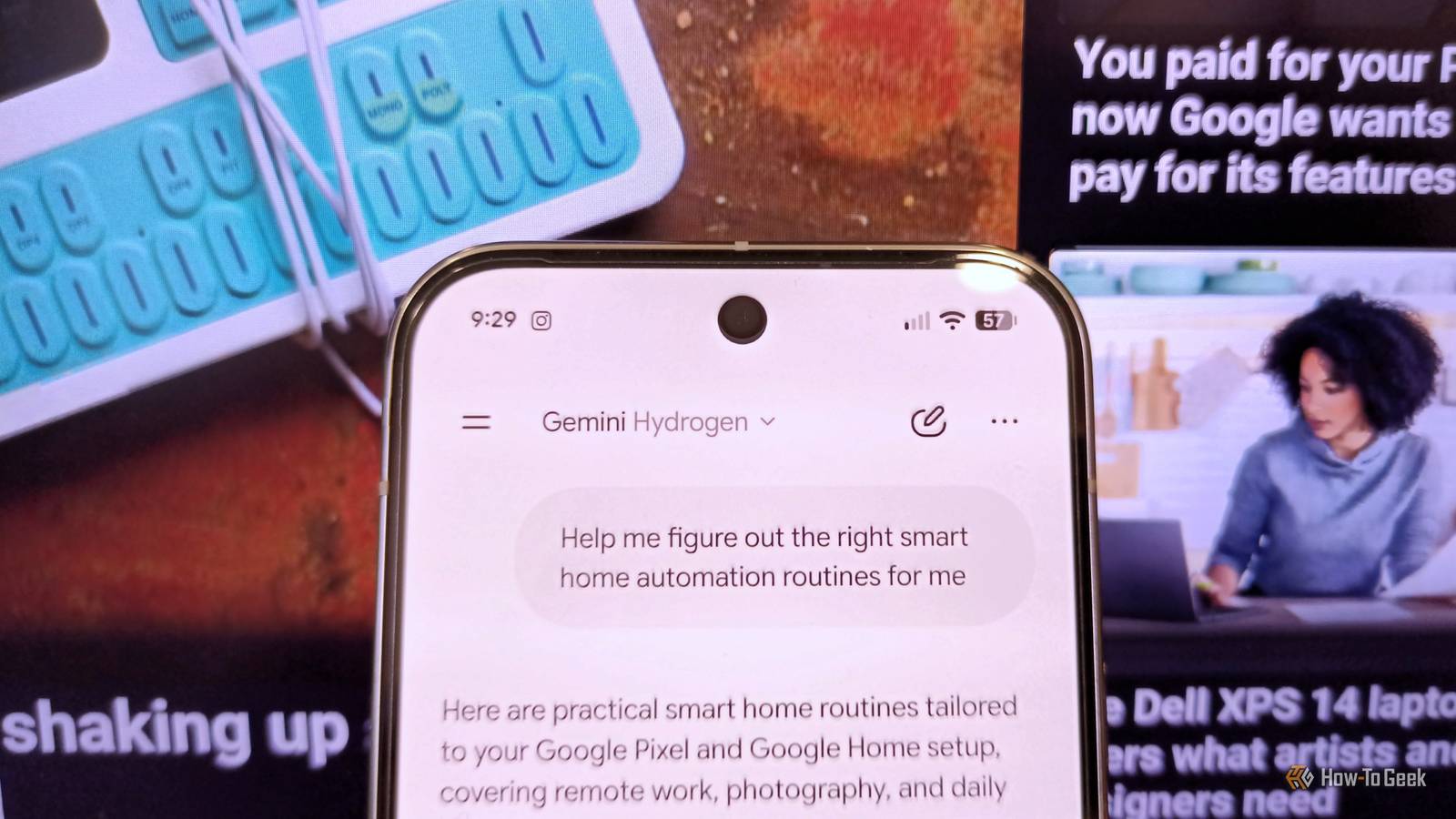
The process began with a foundational "information audit." Before allowing an AI to manage one’s home, it is essential to understand exactly what the AI knows. Fatmi initiated the conversation with a simple, natural language prompt: "Help me figure out the right smart home automation routines for me."
The response from Gemini was immediate and, by Fatmi’s account, somewhat eerie in its accuracy. Rather than providing generic suggestions like "turn on the lights at sunset," the AI pulled from its deep integration with her Google profile. It referenced her specific hardware setup—the Google Pixel and Google Home devices—and highlighted key pillars of her daily life, such as her career in remote work and her passion for photography.
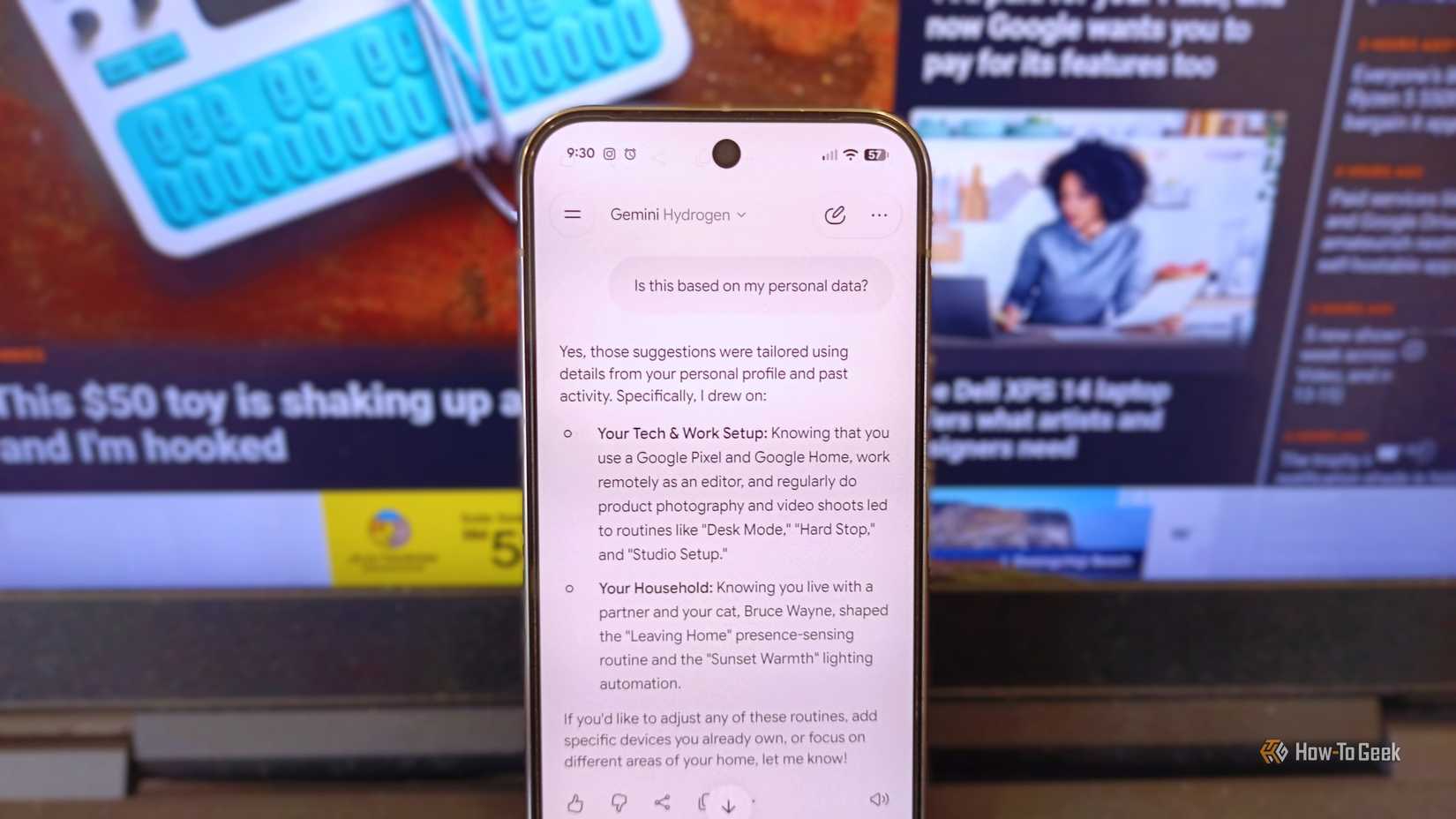
To verify the depth of this integration, Fatmi pushed the AI further, asking it to detail exactly what personal information it was using to formulate these suggestions. The results were categorized into two primary groups: "Tech & Work Setup" and "Household." The AI demonstrated an intimate knowledge of her professional responsibilities, her regular activity patterns, and even the specifics of her domestic life. In a striking display of data synthesis, Gemini even correctly identified her cat—a black feline named Bruce Wayne—suggesting that the AI’s "Personal Intelligence" features were successfully pulling information from various nodes of her digital life to create a holistic view of her needs.
Leveraging the Google Ecosystem for Contextual Awareness
One of the most significant advantages of using a platform-native AI like Gemini is its ability to access cross-app data. During the setup process, Fatmi observed Gemini processing information from Google Calendar, Slack, and other productivity tools. This allowed the AI to build a remarkably accurate picture of her daily schedule, including when she is typically "at her desk" versus when she is winding down for the evening.

However, the audit also revealed that even the most advanced AI requires human refinement. Some of the data Gemini possessed was slightly outdated or incomplete. To bridge these gaps, Fatmi provided specific context regarding her current work hours and her goals for the future, such as a desire to implement a stricter bedtime routine to improve her sleep hygiene.
This collaborative approach highlights a shift in how users interact with smart technology. Instead of acting as a programmer, the user acts as a director, providing the high-level goals while the AI handles the granular execution. Gemini’s ability to categorize devices by room—identifying everything from the thermostat in the living room to the specific smart bulbs in the bedroom—ensured that its recommendations were grounded in the actual layout of the home.
From Suggestions to Implementation: The AI-Driven Routine
Once the information audit was complete and the gaps were filled, the transition from theoretical suggestions to actionable routines was seamless. The routines Gemini proposed were far more sophisticated than the standard "Good Morning" or "I’m Home" presets found in most smart home apps.
For instance, Gemini suggested a "Home Office" mode that didn’t just turn on lights, but adjusted the brightness of her specific desk space based on her work hours. More impressively, the AI proposed "Meeting Modes" tailored to specific days of the week when Fatmi has recurring professional commitments. These routines were designed to minimize distractions and optimize the environment for video conferencing, demonstrating a level of contextual awareness that manual scheduling often misses.
The AI also addressed her health goals by creating a wind-down sequence that prepared the home for her targeted bedtime. These routines were bifurcated into weekday and weekend schedules, acknowledging the natural shift in human behavior over the course of a week.
Perhaps the most valuable aspect of this experiment for the average user was Gemini’s role as an instructor. After designing the routines, the AI provided a step-by-step tutorial on how to implement them within the Google Home app. It detailed the specific triggers—whether a voice command, a time of day, or a sensor event—and the resulting actions required to bring the plan to life.
The Future of the Accessible Smart Home
The success of Fatmi’s experiment underscores a broader trend in consumer technology: the move toward "invisible" computing. For years, the barrier to a truly automated home was the "onboarding" process. If a user has to spend hours menu-diving to make a lightbulb turn blue, they likely won’t do it. By using Gemini as a conversational interface, that barrier is effectively dismantled.
Fatmi acknowledges that this level of AI integration is not for everyone. For those with high privacy requirements or a desire to keep their data siloed, granting an AI access to one’s calendar, work communications, and home sensors is a non-starter. However, for the segment of the population that is already deeply embedded in the Google or Apple ecosystems, the trade-off offers a tangible increase in quality of life.
The method provides a path forward for "beginners" who want the benefits of a smart home without the steep learning curve of open-source platforms like Home Assistant. It replaces the need for manual habit tracking and logic mapping with a simple conversation. As AI continues to evolve from a reactive tool to a proactive assistant, the smart home is finally beginning to live up to its name—not because the devices have changed, but because the intelligence managing them finally understands the person living inside.
 Tech Tutorials & How-To Guides
The Great Big-Box Battle: Evaluating the Power Tool Ecosystems of Ryobi, Craftsman, and Hyper Tough
For the modern homeowner or the burgeoning DIY enthusiast, the walk down...
 Tech Tutorials & How-To Guides
The Enduring Legacy of Connectivity: Why Decades-Old Ports Still Dominate Modern Technology
In an era defined by rapid technological obsolescence, where smartphones are replaced...
 Tech Tutorials & How-To Guides
The Fedora Paradox: Why the Industry’s Favorite Linux Distribution Still Feels Like an Unfinished Product
Fedora has long occupied a prestigious, if somewhat contradictory, position within the...







