
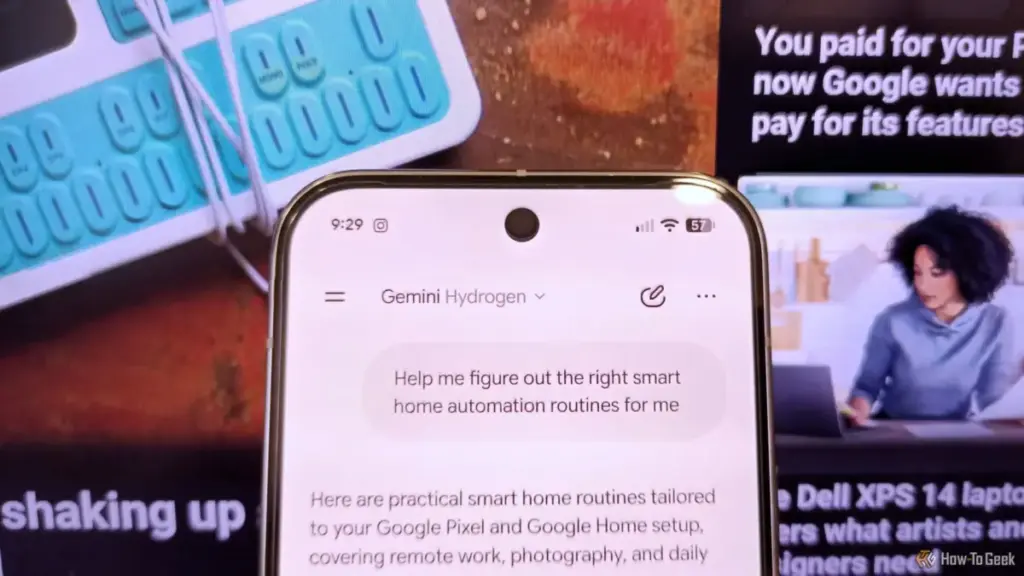
For instance, Gemini suggested a "Home Office" mode that didn’t just turn on lights, but adjusted the brightness of her specific desk space based on her work hours. More impressively, the AI proposed "Meeting Modes" tailored to specific days of the week when Fatmi has recurring professional commitments. These routines were designed to minimize distractions and optimize the environment for video conferencing, demonstrating a level of contextual awareness that manual scheduling often misses.
The AI also addressed her health goals by creating a wind-down sequence that prepared the home for her targeted bedtime. These routines were bifurcated into weekday and weekend schedules, acknowledging the natural shift in human behavior over the course of a week.
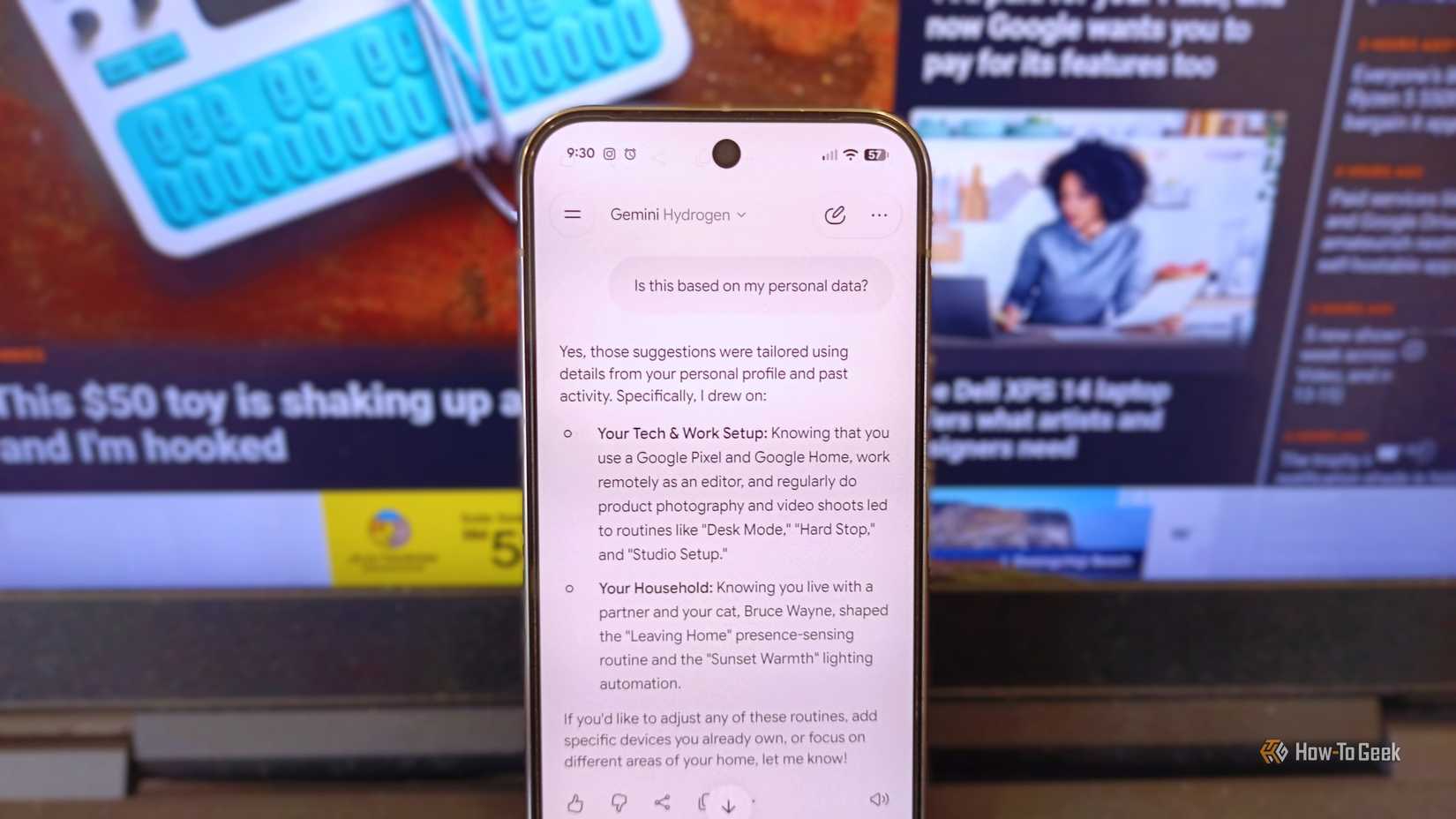
Perhaps the most valuable aspect of this experiment for the average user was Gemini’s role as an instructor. After designing the routines, the AI provided a step-by-step tutorial on how to implement them within the Google Home app. It detailed the specific triggers—whether a voice command, a time of day, or a sensor event—and the resulting actions required to bring the plan to life.
The Future of the Accessible Smart Home
The success of Fatmi’s experiment underscores a broader trend in consumer technology: the move toward "invisible" computing. For years, the barrier to a truly automated home was the "onboarding" process. If a user has to spend hours menu-diving to make a lightbulb turn blue, they likely won’t do it. By using Gemini as a conversational interface, that barrier is effectively dismantled.
Fatmi acknowledges that this level of AI integration is not for everyone. For those with high privacy requirements or a desire to keep their data siloed, granting an AI access to one’s calendar, work communications, and home sensors is a non-starter. However, for the segment of the population that is already deeply embedded in the Google or Apple ecosystems, the trade-off offers a tangible increase in quality of life.
The method provides a path forward for "beginners" who want the benefits of a smart home without the steep learning curve of open-source platforms like Home Assistant. It replaces the need for manual habit tracking and logic mapping with a simple conversation. As AI continues to evolve from a reactive tool to a proactive assistant, the smart home is finally beginning to live up to its name—not because the devices have changed, but because the intelligence managing them finally understands the person living inside.
 Tech Tutorials & How-To Guides
The Enduring Legacy of Connectivity: Why Decades-Old Ports Still Dominate Modern Technology
In an era defined by rapid technological obsolescence, where smartphones are replaced...
 Tech Tutorials & How-To Guides
Haiku OS R1/Beta 6: A Compelling Case for Breathing New Life into Aging Hardware
For years, the standard recommendation for any computer deemed too slow for...
 Tech Tutorials & How-To Guides
To Boldly Go From Your Desktop: Celebrating 60 Years of Star Trek Through Modern Tech Hobbies
As the calendar turns to late 2026, the global science fiction community...







