
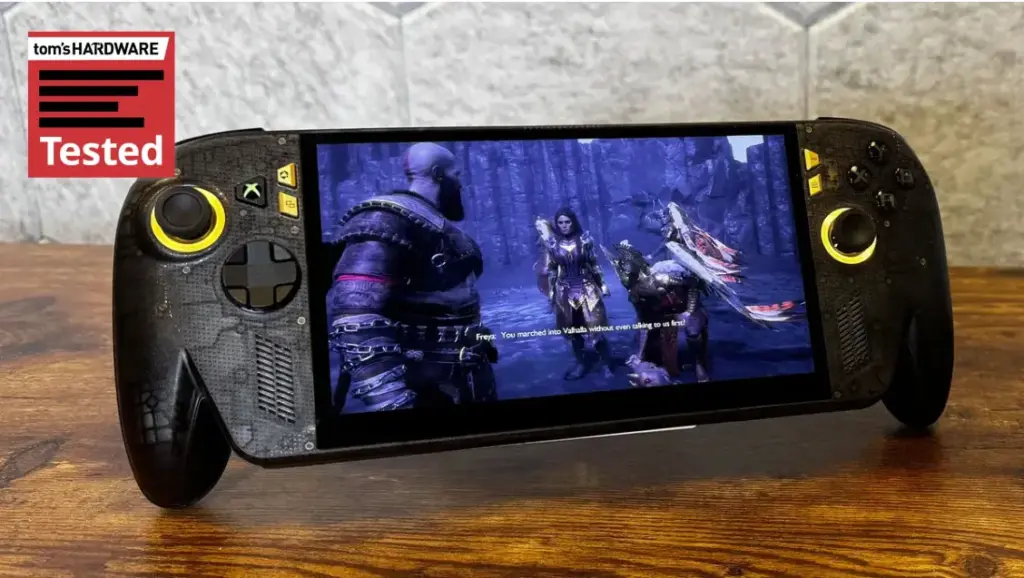
This milestone release comes at a time when the Republic of Gamers brand is reflecting on its legacy of pushing the boundaries of performance and aesthetics. To celebrate twenty years, Asus has not merely released a commemorative badge but has instead overhauled the physical and visual interface of its flagship handheld. The ROG Xbox Ally X20 is positioned as an enthusiast-grade device, arriving with a base price of $1,299.99. For those seeking the ultimate collector’s experience, Asus is also offering a comprehensive bundle priced at $2,499.99, which includes a suite of high-end accessories such as XR glasses, a rugged Pelican carrying case, and a specialized Dbrand Killswitch case designed specifically for this model.
While the internal processing power remains consistent with the previous high-end iterations of the Ally series, the X20 focuses on a series of "common-sense" ergonomic and visual improvements that address long-standing requests from the gaming community. The most prominent of these upgrades is the transition to an OLED display. The new 7.4-inch panel offers a 120Hz refresh rate, providing the deep contrast ratios and vibrant color reproduction that only organic light-emitting diode technology can deliver. In the handheld space, the shift from LCD to OLED is often cited by users as the single most impactful upgrade for immersion, as it eliminates the "backlight bleed" common in traditional screens and ensures that dark, atmospheric games are rendered with true black levels.
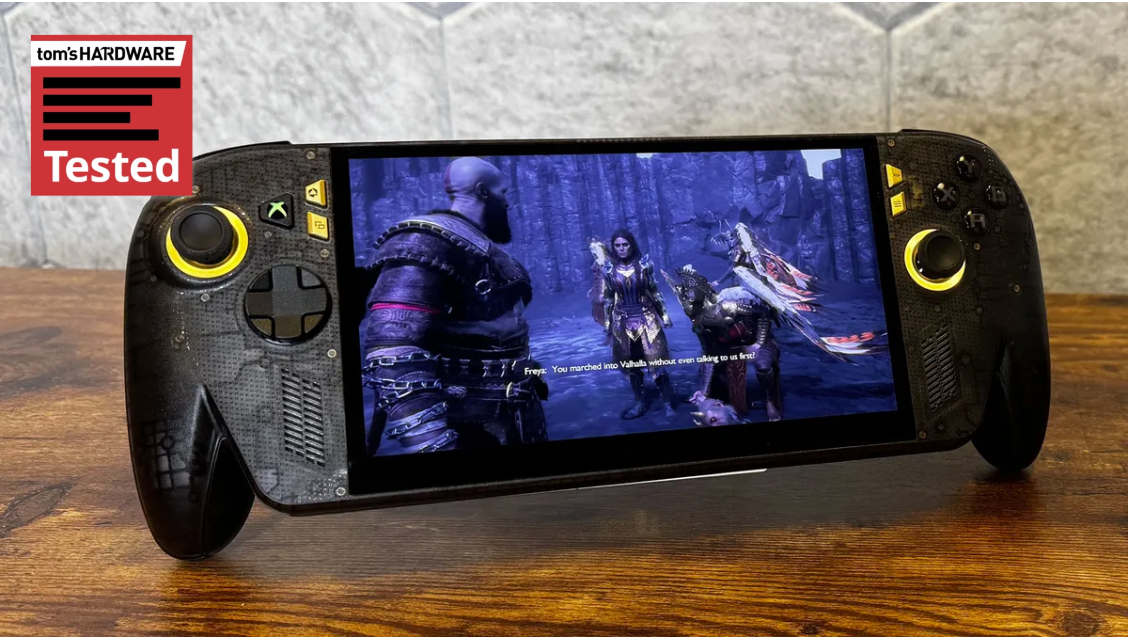
Beyond the screen, the ROG Xbox Ally X20 introduces significant changes to the device’s tactile interface. Asus has integrated TMR (Tunnel Magnetoresistance) joysticks into the design. TMR technology is a step beyond the standard potentiometers found in most controllers and even offers distinct advantages over Hall Effect sensors in terms of precision and power efficiency. These joysticks are designed to be more durable and resistant to the "stick drift" that often plagues handheld devices after heavy use. Complementing these high-precision sticks is a new "transforming" D-pad, a feature that allows users to customize the feel and response of the directional input to suit different genres, from precise fighting games to menu-heavy role-playing titles.
The physical chassis of the X20 has also undergone a dramatic aesthetic and functional transformation. Embracing a retro-futuristic look that has become popular among tech enthusiasts, the device features a see-through design, allowing a glimpse into the internal engineering of the unit. This translucent shell is paired with new rubberized grips, which are intended to improve comfort and security during extended gaming sessions. Handheld PCs are notoriously heavy compared to traditional mobile devices, and the addition of textured, high-friction surfaces on the grips is a direct response to feedback regarding the slipperiness of previous all-plastic designs.
Under the hood, the ROG Xbox Ally X20 continues to utilize the Ryzen AI Z2 Extreme processor, paired with 24GB of RAM and a 1TB SSD. This hardware configuration ensures that while the exterior is a celebration of the brand’s history, the performance remains at the cutting edge of what is currently possible in a portable Windows-based machine. The inclusion of 24GB of RAM is particularly noteworthy, as Windows 11 and modern AAA games often demand significant memory overhead, especially when the system’s RAM must be shared between the CPU and the integrated GPU. By maintaining this high-spec internal foundation, Asus ensures that the X20 is not just a display piece, but a fully capable workstation and gaming rig in a handheld form factor.
The pricing strategy for the X20 reflects its status as a boutique, anniversary-edition product. At $1,299.99, it sits well above the standard ROG Ally and even the ROG Ally X, which was already considered a premium entry in the market. Asus is clearly targeting the "prosumer" and the collector who values the specific tactile and visual upgrades provided by the OLED screen and TMR sensors. The $2,499.99 bundle further emphasizes this luxury positioning. By including XR glasses, Asus is tapping into the growing trend of "spatial gaming," where a handheld device serves as the engine for a virtual large-screen experience. The addition of a Pelican case—a brand synonymous with professional-grade equipment protection—and the Dbrand Killswitch case suggests that this bundle is intended for the power user who travels frequently and demands the highest level of protection and customization.
This release is part of a broader "Edition 20" campaign that has seen Asus ROG produce a variety of limited-run components, including motherboards, graphics cards, and peripherals. However, the handheld market is currently where much of the innovation and consumer excitement is centered. By focusing so heavily on the X20, Asus is acknowledging that the future of the Republic of Gamers brand is as much about mobile versatility as it is about traditional desktop towers. The original ROG Ally was a pioneer in bringing high-performance Windows gaming to a portable format, and the X20 represents the most refined version of that vision to date.
The decision to keep the performance metrics stable while focusing on the "user experience" features—the screen, the buttons, and the grip—highlights a maturing market. Early handheld PCs were judged almost exclusively on their frame rates and benchmarks. As the category has evolved, users have become more discerning about the quality of the display and the longevity of the controls. The X20’s use of TMR sensors and an OLED panel suggests that Asus believes the next stage of competition in the handheld space will be won on build quality and sensory experience rather than just raw silicon power.
The see-through aesthetic of the X20 also serves as a symbolic bridge between the past and the future. Translucent electronics were a staple of the gaming industry in the late 1990s and early 2000s, around the time the ROG brand was being conceived. By bringing this look back for the 20th anniversary, Asus is leaning into a sense of nostalgia while packing the device with modern technologies like AI-ready processors and high-refresh-rate OLEDs. It is a design choice that appeals to the long-time fans of the brand who have followed its evolution from a niche motherboard manufacturer to a global leader in gaming hardware.
As the gaming community looks toward the next generation of handhelds, the ROG Xbox Ally X20 stands as a high-water mark for the current era. It addresses the primary criticisms of the original Ally—namely battery life and control durability—while adding the premium flourishes expected of a 20th-anniversary celebration. While the price point will naturally limit its audience to a smaller group of enthusiasts, the innovations introduced here, such as the TMR sticks and the refined OLED integration, are likely to influence the design of more mainstream Asus products in the years to come.
The availability of the device through major retailers like Best Buy, where the premium bundles are already being listed, indicates that despite its "limited edition" nature, Asus is prepared for a significant rollout. The inclusion of high-quality third-party accessories like the Dbrand Killswitch case directly in the box also shows a rare level of collaboration between a major hardware manufacturer and the enthusiast accessory market, further proving that the X20 is a product designed by and for the most dedicated segments of the gaming community.
As Asus ROG enters its third decade, the ROG Xbox Ally X20 serves as both a look back at how far gaming hardware has come and a statement of intent for the future. It is a device that prioritizes the way a game looks and feels in the hand, ensuring that the "Republic of Gamers" remains a dominant name in a market that is no longer confined to the desktop. For those willing to invest in the "Edition 20" experience, the X20 offers a glimpse of a future where handheld gaming is indistinguishable from the high-end enthusiast PC experience in every way that matters.
 Hardware Reviews & PC Building
Unofficial Grand Theft Auto V Browser Port Faces Swift Takedown Following Viral Technical Demonstration
The landscape of modern gaming is often defined by the boundaries of...
 Hardware Reviews & PC Building
Team Vitality Paris Headquarters Looted and Vandalized Amid Widespread Civil Unrest
In a distressing development for the European esports community, Team Vitality, the...
 Hardware Reviews & PC Building
Neuralink trial participant ditches mouth stick to play GTA 6 with his mind — brain-computer interface maps…
The core of this breakthrough lies in the sophisticated way the Neuralink...







