
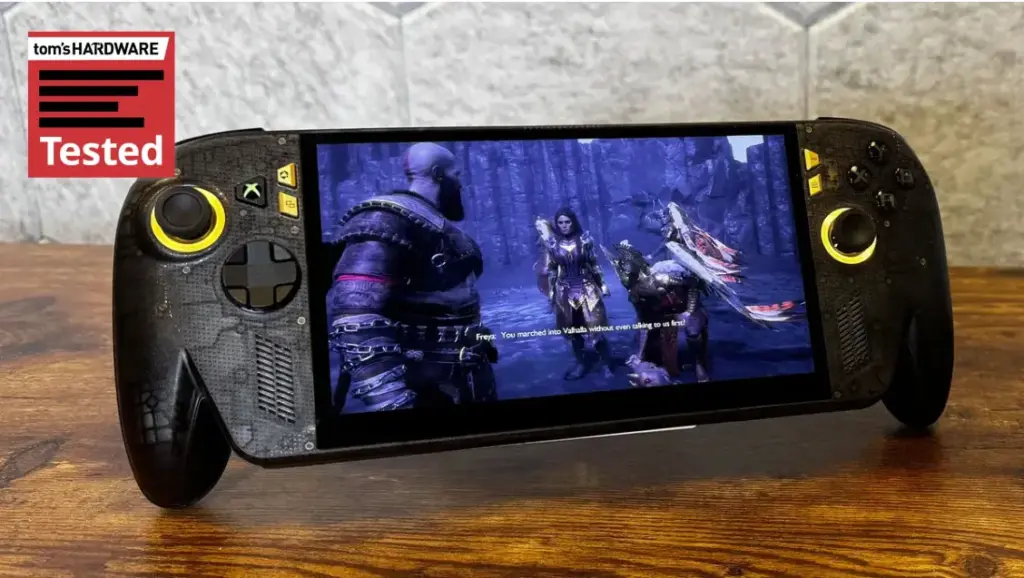
Under the hood, the ROG Xbox Ally X20 continues to utilize the Ryzen AI Z2 Extreme processor, paired with 24GB of RAM and a 1TB SSD. This hardware configuration ensures that while the exterior is a celebration of the brand’s history, the performance remains at the cutting edge of what is currently possible in a portable Windows-based machine. The inclusion of 24GB of RAM is particularly noteworthy, as Windows 11 and modern AAA games often demand significant memory overhead, especially when the system’s RAM must be shared between the CPU and the integrated GPU. By maintaining this high-spec internal foundation, Asus ensures that the X20 is not just a display piece, but a fully capable workstation and gaming rig in a handheld form factor.
The pricing strategy for the X20 reflects its status as a boutique, anniversary-edition product. At $1,299.99, it sits well above the standard ROG Ally and even the ROG Ally X, which was already considered a premium entry in the market. Asus is clearly targeting the "prosumer" and the collector who values the specific tactile and visual upgrades provided by the OLED screen and TMR sensors. The $2,499.99 bundle further emphasizes this luxury positioning. By including XR glasses, Asus is tapping into the growing trend of "spatial gaming," where a handheld device serves as the engine for a virtual large-screen experience. The addition of a Pelican case—a brand synonymous with professional-grade equipment protection—and the Dbrand Killswitch case suggests that this bundle is intended for the power user who travels frequently and demands the highest level of protection and customization.
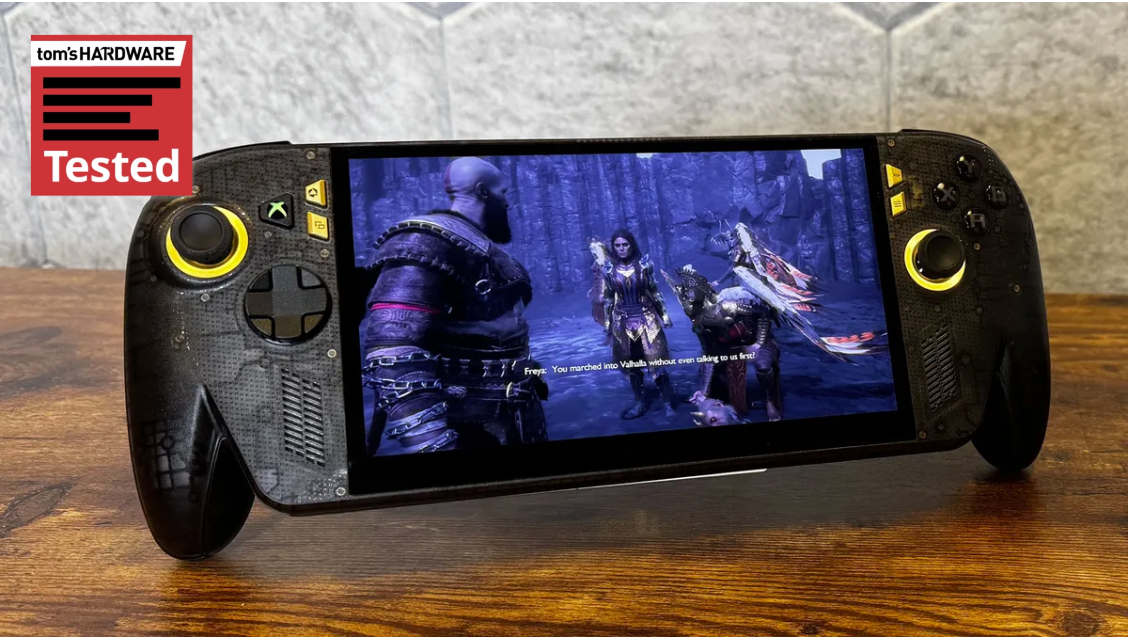
This release is part of a broader "Edition 20" campaign that has seen Asus ROG produce a variety of limited-run components, including motherboards, graphics cards, and peripherals. However, the handheld market is currently where much of the innovation and consumer excitement is centered. By focusing so heavily on the X20, Asus is acknowledging that the future of the Republic of Gamers brand is as much about mobile versatility as it is about traditional desktop towers. The original ROG Ally was a pioneer in bringing high-performance Windows gaming to a portable format, and the X20 represents the most refined version of that vision to date.
The decision to keep the performance metrics stable while focusing on the "user experience" features—the screen, the buttons, and the grip—highlights a maturing market. Early handheld PCs were judged almost exclusively on their frame rates and benchmarks. As the category has evolved, users have become more discerning about the quality of the display and the longevity of the controls. The X20’s use of TMR sensors and an OLED panel suggests that Asus believes the next stage of competition in the handheld space will be won on build quality and sensory experience rather than just raw silicon power.
 Hardware Reviews & PC Building
The PC gaming ray tracing obsession began with the first RTX 20 graphics cards released on this day in 2018 — the…
The debut of the GeForce 20 series was spearheaded by the release...
 Hardware Reviews & PC Building
35-year-old SNES runs ChatGPT, accelerated with a Super FX 2 chip — 21 MHz of RISC muscle speeds 2.2M parameter…
The initiative is the work of Benj Edwards, a prominent journalist and...
 Hardware Reviews & PC Building
Tom’s Hardware Expands Digital Reach with Launch of Official Mobile Application for Android and iOS
The landscape of technology journalism has undergone a profound transformation over the...







