
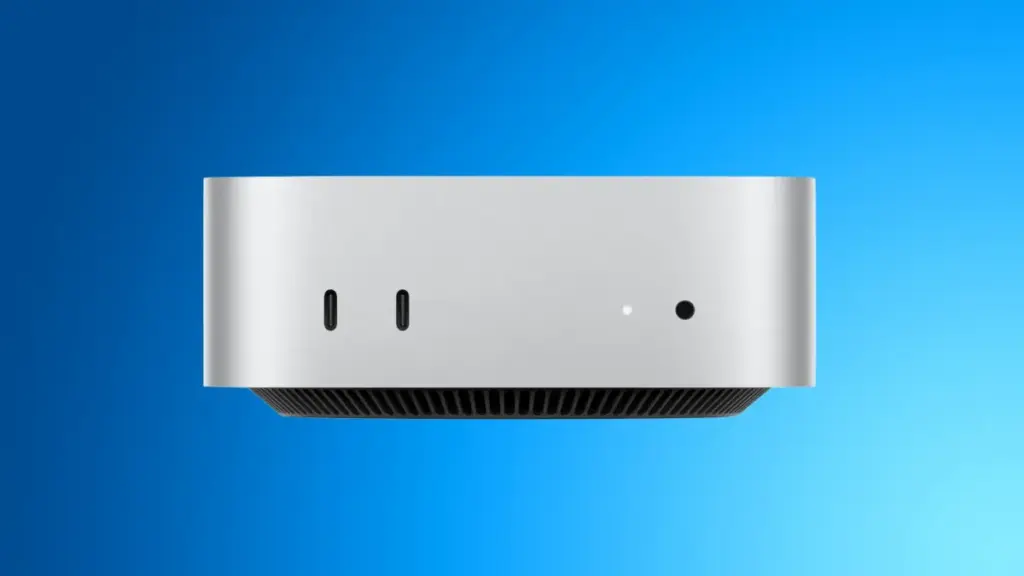
This single-chip configuration creates a hardware bottleneck by limiting the available memory channels, resulting in substantially lower read and write speeds compared to models configured with 512GB of storage or more. Higher-capacity configurations utilize dual NAND flash chips, allowing the system controller to read and write data across two channels simultaneously, effectively doubling the bandwidth.
The performance discrepancy was confirmed through testing conducted by tech publication AAPL Ch., which evaluated the new systems using Blackmagic’s Disk Speed Test benchmark utility. The results demonstrate a sharp divide in disk performance depending on the chosen storage tier.
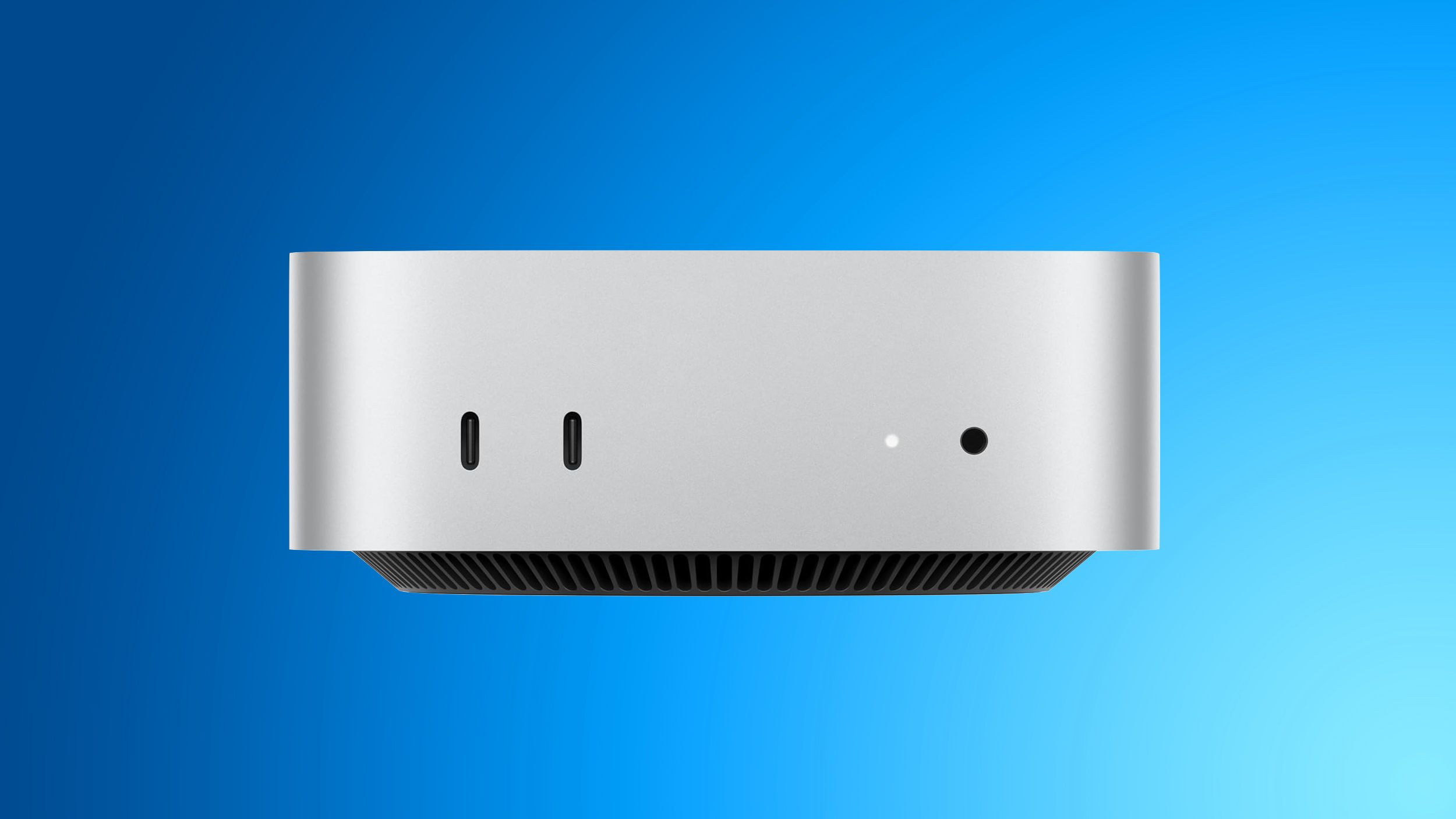
The M6 Mac mini equipped with a 512GB SSD recorded benchmark read speeds of 6,371.5 MB/s and write speeds of 6,577.4 MB/s. In contrast, the entry-level M6 Mac mini with 256GB of storage reached a read speed of 3,216.8 MB/s and a write speed of 3,000.2 MB/s. These metrics show that opting for the 256GB model cuts read and write performance roughly in half compared to the 512GB variant.
Despite the penalty caused by the single NAND chip, the baseline M6 Mac mini still shows a meaningful improvement over the entry-level 256GB M4 model. In identical testing, the 256GB M4 Mac mini recorded read speeds of 2,792.5 MB/s and write speeds of 2,014.5 MB/s. Thus, while the new 256GB M6 model is significantly slower than its 512GB sibling, it maintains a performance edge over the baseline system it replaces.
The use of a single NAND chip in entry-level storage tiers is not a new practice for Apple. The company faced similar criticism during the launch of the M2 and M2 Pro Mac mini models, which also utilized a single 256GB NAND chip that resulted in slower disk benchmarks compared to the dual-chip 256GB M1 configurations that preceded them. The M4 Mac mini had temporarily resolved this issue, making its return on the M6 baseline model another instance where Apple reinstated a cost-saving storage design.
For everyday consumer tasks—such as web browsing, document editing, and streaming media—the average user is unlikely to notice the benchmark difference between single and dual NAND configurations. However, power users, creative professionals working with high-resolution video assets, and developers handling large local databases will face noticeable throughput limitations on the baseline model. For these demanding workloads, purchasing at least 512GB of internal storage becomes a practical necessity to unlock the maximum read and write capabilities of the hardware.
 macOS & Apple IT Support
Amazon Trims Base AirPods 5 Price Ahead of Official Launch Alongside Broader Autumn Apple Hardware Discounts
As Apple prepares to officially launch its latest generation of personal audio...
 macOS & Apple IT Support
Amazon Launches Early Prime Day Sales Across Apple’s Latest Lineup, Cutting Prices on MacBooks, iPads, AirPods, and Apple Watches
Amazon has officially kicked off an extensive wave of early discounts ahead...
 macOS & Apple IT Support
Apple Reaches Agreement to Hire AI Audio Startup Huxe’s Key Personnel and License Its Technology
Apple has reached an agreement to recruit key personnel from Huxe, an...







