

The hub integrates fully into the Apple Home platform, allowing users to trigger complex HomeKit scenes alongside connected accessories. Video playback is supported directly on the device, allowing users to watch media or follow step-by-step cooking tutorials in the kitchen.
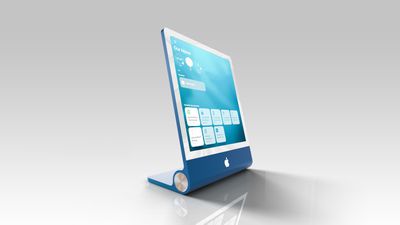
Audio performance is supported by the built-in speaker array housed in the base. The device functions as a native AirPlay receiver, allowing users to stream music and podcasts directly from iOS, iPadOS, or macOS devices. When multiple units are placed throughout a residence, they can operate as a high-definition room-to-room internal intercom system, enabling broadcast voice messaging across the household.
Strategic Context and Market Landscape
The introduction of the home hub coincides with a broader push by Apple to revitalize its smart home ecosystem, which has faced stiff competition from Amazon’s Echo Show devices and Google’s Nest Hub ecosystem. Recent developments from third-party manufacturers, such as Anker’s MindBase local AI hub, underscore an industry-wide shift toward localized intelligence and matter-compatible smart home ecosystems.
To support the launch of its new home hardware, Apple is expanding its surrounding ecosystem:
- Companion Hardware: Apple is preparing hardware refreshes for both the Apple TV 4K and HomePod mini. While retaining their existing physical designs, both devices will incorporate faster silicon to provide local processing support for Siri AI features. Additionally, Apple is developing an indoor smart home camera scheduled for a potential 2027 release, prioritizing local encryption and user privacy to compete against market alternatives from Nest and Ring.
- Retail Integration: Apple retail stores are reorganizing floor layouts to accommodate the incoming home products. Physical retail locations are updating their perimeter "Avenues"—the wall spaces traditionally reserved for accessories like AirPods and HomePods—to create dedicated interactive display zones for the smart home line.
- Pricing and Positioning: Indications suggest the smart home hub will carry a retail price point around $350. While this positions the device at a higher price than standard entry-level smart displays from competitors, Apple is betting that premium materials, tight hardware-software integration, local AI privacy guarantees, and deep ecosystem synergy will justify the premium pricing.
Launch Window
After experiencing internal development shifts while Apple finalized its next-generation Siri AI capabilities, the home hub is scheduled to debut alongside the updated Apple TV 4K and HomePod mini.
With software code in recent OS builds revealing deep integration for ambient sensing, face-based profile switching, and shared widget gallery components, Apple’s dedicated home display represents a major effort to establish a permanent, intelligent presence in the center of the modern smart home.
 macOS & Apple IT Support
Apple Smart Home Launch Details Surface Ahead of NYC Event: New Home Hub, HomePod Mini 2, and Apple TV 4K Revealed in Leaks
Just two days before Apple hosts its "Welcome home" experience in New...
 macOS & Apple IT Support
Apple Leaks Reveal New Hardware Pipeline as $250 Million Siri AI Settlement Portal Opens
The ecosystem surrounding Apple moves at a relentless pace, with hardware leaks,...
 macOS & Apple IT Support
Apple Reverts to Soldered Storage on M6 and M5 Pro Mac Mini Models, Halving Base SSD Speeds via Single NAND Setup
Apple’s latest update to the Mac mini line brings a significant architectural...






