
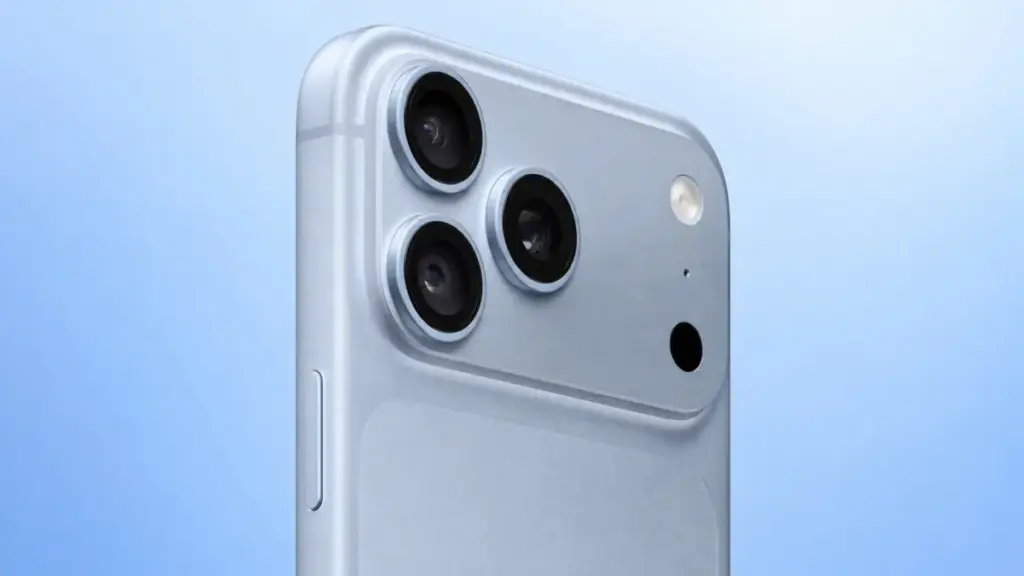
Apple has officially acknowledged a persistent technical issue impacting its latest flagship smartphone, confirming that a portion of iPhone 18 Pro Max users on the AT&T network are experiencing severe cellular service disruptions that completely disconnect their devices from mobile networks. According to official statements from the technology company, the issue manifests as a sudden and total loss of cellular connectivity, leaving impacted smartphones unable to place or receive telephone calls, transmit text messages, or connect to cellular internet data services. While Apple’s official characterization describes the outage as impacting a "small number" of subscribers, the scale of public response across online discussion channels highlights widespread concern, with thousands of affected owners reporting identical dead signal conditions on the Apple Support Community and various other online platforms following the recent release of the flagship hardware.
In a direct effort to contain the spread of the outage and protect unimpacted handsets from succumbing to the defect, Apple and AT&T have coordinated a multi-layered software release strategy. Earlier this week, Apple rolled out iOS 27.0.1, an early system update aimed at addressing general post-launch stability across its mobile operating system. Building upon that software patch, Apple and AT&T today officially released a dedicated carrier settings update specifically designed to resolve underlying network communication protocols on affected hardware. In a statement shared directly with MacRumors, Apple strongly urged all iPhone 18 Pro Max owners on AT&T to update their devices to iOS 27.0.1 immediately, emphasizing that the combination of the new operating system update and today’s carrier settings patch is designed to prevent unimpacted handsets from experiencing cellular signal drops going forward.
To apply the preventive system software update, Apple advises iPhone 18 Pro Max owners to open the Settings application on their handset, navigate to the General section, and select Software Update to download and install iOS 27.0.1 over a Wi-Fi connection. Simultaneously, the newly issued AT&T carrier settings update is scheduled to automatically download and install for subscribers over the air over the course of the next 14 days. However, users who prefer not to wait for the automatic two-week distribution rollout can manually force their device to query network servers for the patch immediately. Apple explained that subscribers can manually trigger the carrier update by opening the Settings application, tapping into General, and selecting the About submenu, which prompts the device to check for and apply any pending carrier configuration updates from AT&T.
Despite the release of these software protections, Apple disclosed a far more serious operational reality for hardware that has already been struck by the cellular bug. Crucially, the company revealed that once an iPhone 18 Pro Max operating on the AT&T network succumbs to the issue and completely loses cellular service, software updates are entirely incapable of rectifying the failure. Neither updating the operating system to iOS 27.0.1 nor applying the newly issued AT&T carrier settings profile will restore lost network connectivity or reactivate cellular capabilities on an affected phone. Consequently, Apple confirmed that any device that has actively suffered this cellular breakdown cannot be restored through software means and must instead be entirely replaced with new physical hardware.
Because software fixes are ineffective for units that have already lost cellular connectivity, Apple is advising impacted subscribers to seek immediate hardware replacements through official channels. The company strongly urges affected customers to contact Apple Support directly, reach out to AT&T customer service, or physically visit an Apple Store or AT&T retail location to initiate a exchange. While Apple has not formally instituted a dedicated Apple Service Program for this carrier-specific issue on its official support portal, current retail handling indicates that Apple Stores are providing free device replacements for impacted iPhone 18 Pro Max owners. Customers experiencing complete signal loss are encouraged to schedule an appointment with the Genius Bar at an Apple Store or consult with AT&T store representatives to execute a hardware swap and regain full mobile connectivity.
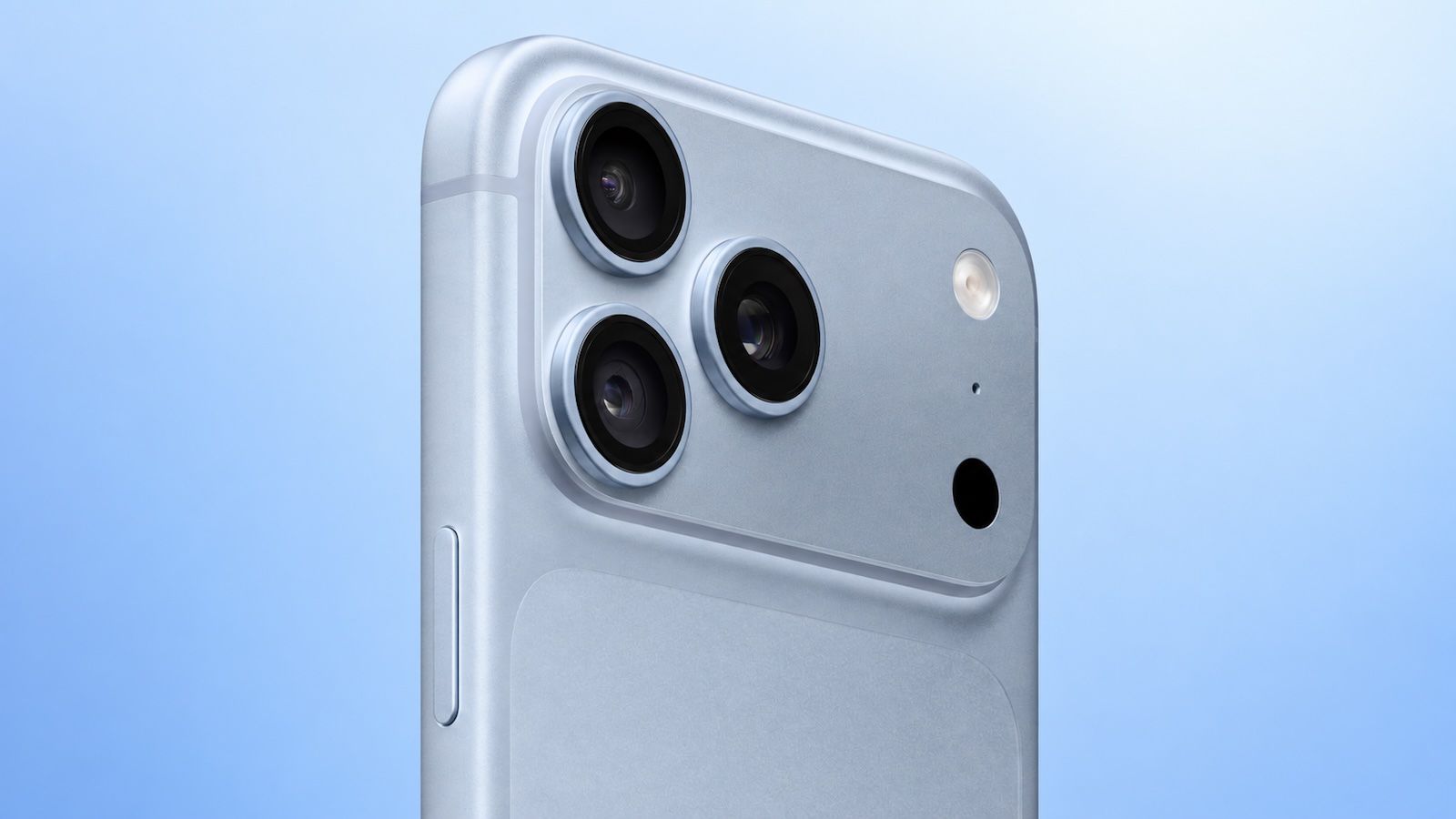
Apple formally outlined its official position, remediation steps, and preventive measures in a statement provided to MacRumors:
"We have identified an issue affecting a small number of iPhone 18 Pro Max users on the AT&T network that may cause a device to lose service and be unable to make calls. We released iOS 27.0.1 earlier this week and strongly encourage all iPhone 18 Pro Max users to update now, and are also issuing a carrier settings update today. These updates together are meant to help prevent this issue from occurring."
Throughout its initial investigations into the network drops, Apple noted that the cellular defect appears to be strictly confined to a single device model operating on a single carrier network. The company confirmed that it has only observed the cellular loss phenomenon on the flagship iPhone 18 Pro Max when connected to AT&T’s mobile network infrastructure. Standard models, smaller Pro variants, and other devices across the broader iPhone family show no indication of the defect, nor have any reports emerged suggesting similar network dropouts on competing telecommunications carriers such as Verizon or T-Mobile. Furthermore, older generation iPhone models operating on AT&T continue to function normally without losing service, pointing toward a highly specific technical conflict between the hardware profile of Apple’s top-tier phone and AT&T’s network provisioning.
Although Apple confirmed the scope of the problem and provided clear guidance regarding hardware replacement protocols, the company has not publicly disclosed the root technical cause driving the permanent cellular drops. The situation is further highlighted by the dual-sourcing hardware strategy Apple employs for modem components across different global markets. U.S. models of the iPhone 18 Pro Max rely on Qualcomm’s Snapdragon X80 modem to manage 5G and LTE cellular connectivity. In contrast, variants of the iPhone 18 Pro Max sold in all international markets outside the United States are equipped with Apple’s custom-designed C2 modem. Because the cellular failure is currently isolated to U.S. devices connected to AT&T, it remains unclear whether the Qualcomm Snapdragon X80 modem hardware, its specific firmwares, or its interaction with AT&T’s cellular spectrum serves as a contributing factor in the permanent network lockout.
This unexpected hardware replacement scenario emerges shortly after Apple’s high-profile fall product launch sequence. The flagship iPhone 18 Pro Max was officially introduced to the public on Wednesday, September 9, 2026, during Apple’s "Surprise and Shine" keynote event broadcast live from Cupertino, California across Apple’s website, YouTube, and the Apple TV application. The September event represented one of the company’s most expansive product debuts in recent years, headlined by Apple’s first foldable smartphone, the iPhone Duo, alongside the flagship iPhone 18 Pro lineup, the Apple Watch Series 12, the Apple Watch Ultra 4, and fifth-generation AirPods. The launch followed weeks of industry anticipation and market speculation, including detailed hardware cost analyses from market research firms like TrendForce, which had evaluated component environments to estimate consumer pricing ahead of the official keynote.
For early adopters who recently purchased Apple’s highest-end smartphone, the requirement to swap out physical hardware introduces notable friction during what is typically a seamless upgrade period. The realization that an active cellular signal drop cannot be fixed through standard software patching means affected users must navigate the logistical process of backing up personal data, contacting support, and visiting retail centers to exchange non-functional devices. As Apple and AT&T continue pushing out iOS 27.0.1 and the carrier settings update to safeguard the remaining active user base, industry observers are waiting to see whether Apple will eventually formalize an official Apple Service Program specifically designated for this issue. In the interim, affected users experiencing complete cellular signal loss on their AT&T iPhone 18 Pro Max units are advised to make Genius Bar appointments or consult carrier representatives promptly to arrange a full device replacement.
 macOS & Apple IT Support
IFixit Teardown Finds Apple’s AirPods 5 Are Slightly More Repairable, Earning First-Ever Non-Zero Score Despite ‘Disaster’ Charging Case
In its traditional deep-dive disassembly video, repair authority iFixit has taken apart...
 macOS & Apple IT Support
Apple Expands watchOS 27.0.1 Update to All Compatible Apple Watch Models Following Targeted Initial Patch
Apple has officially broadened the distribution of watchOS 27.0.1, making the software...
 macOS & Apple IT Support
Apple HomeView Delivery Estimates Push Into December as Initial Pre-Order Stock Tightens Across Select Configurations
Apple’s newly unveiled HomeView smart home hub is experiencing expanding delivery wait...






