
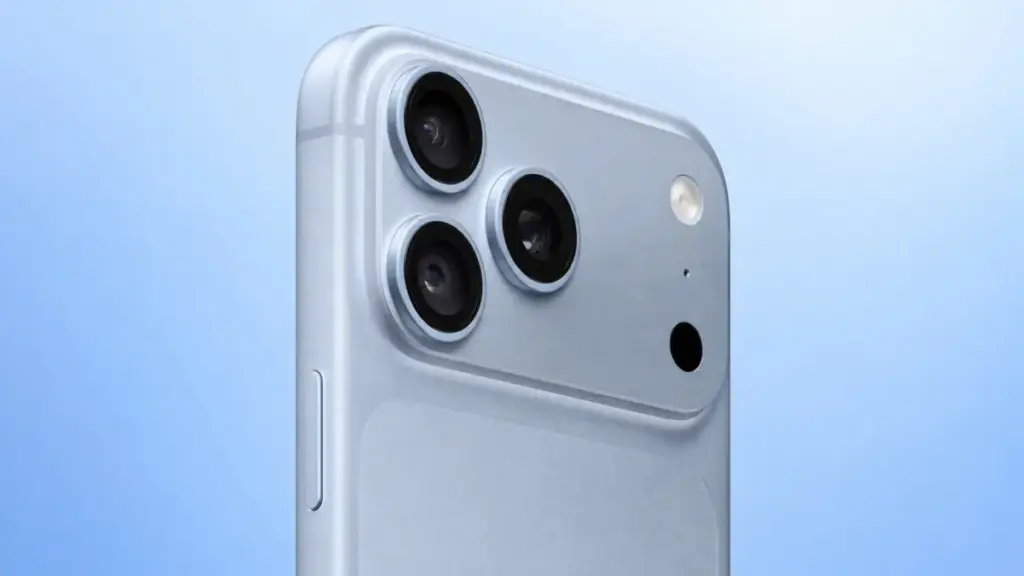
Because software fixes are ineffective for units that have already lost cellular connectivity, Apple is advising impacted subscribers to seek immediate hardware replacements through official channels. The company strongly urges affected customers to contact Apple Support directly, reach out to AT&T customer service, or physically visit an Apple Store or AT&T retail location to initiate a exchange. While Apple has not formally instituted a dedicated Apple Service Program for this carrier-specific issue on its official support portal, current retail handling indicates that Apple Stores are providing free device replacements for impacted iPhone 18 Pro Max owners. Customers experiencing complete signal loss are encouraged to schedule an appointment with the Genius Bar at an Apple Store or consult with AT&T store representatives to execute a hardware swap and regain full mobile connectivity.
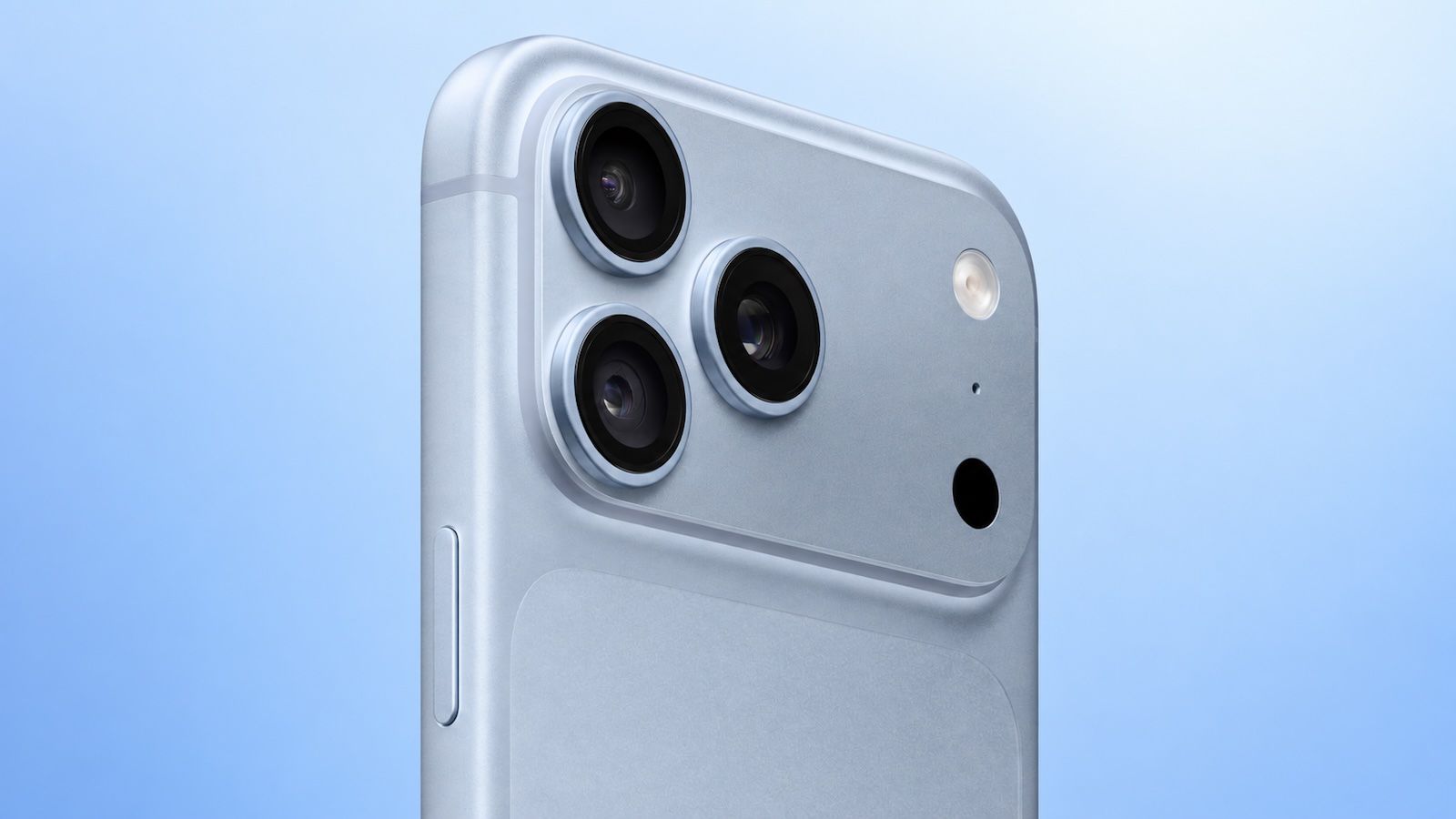
Apple formally outlined its official position, remediation steps, and preventive measures in a statement provided to MacRumors:
"We have identified an issue affecting a small number of iPhone 18 Pro Max users on the AT&T network that may cause a device to lose service and be unable to make calls. We released iOS 27.0.1 earlier this week and strongly encourage all iPhone 18 Pro Max users to update now, and are also issuing a carrier settings update today. These updates together are meant to help prevent this issue from occurring."
Throughout its initial investigations into the network drops, Apple noted that the cellular defect appears to be strictly confined to a single device model operating on a single carrier network. The company confirmed that it has only observed the cellular loss phenomenon on the flagship iPhone 18 Pro Max when connected to AT&T’s mobile network infrastructure. Standard models, smaller Pro variants, and other devices across the broader iPhone family show no indication of the defect, nor have any reports emerged suggesting similar network dropouts on competing telecommunications carriers such as Verizon or T-Mobile. Furthermore, older generation iPhone models operating on AT&T continue to function normally without losing service, pointing toward a highly specific technical conflict between the hardware profile of Apple’s top-tier phone and AT&T’s network provisioning.
 macOS & Apple IT Support
Apple Smart Home Launch Details Surface Ahead of NYC Event: New Home Hub, HomePod Mini 2, and Apple TV 4K Revealed in Leaks
Just two days before Apple hosts its "Welcome home" experience in New...
 macOS & Apple IT Support
Amazon Launches Early Prime Big Deal Days Savings on Apple’s 2026 Mac Mini and Mac Studio Lineups
Amazon has officially initiated its early Prime Big Deal Days sales campaign,...
 macOS & Apple IT Support
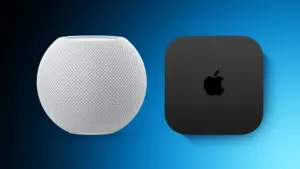
Apple TV and HomePod Mini Face Extended Shipping Delays as Code Leaks and Software Betas Signal Incoming 2026 Models
Customers looking to purchase an Apple TV or a HomePod mini through...







