
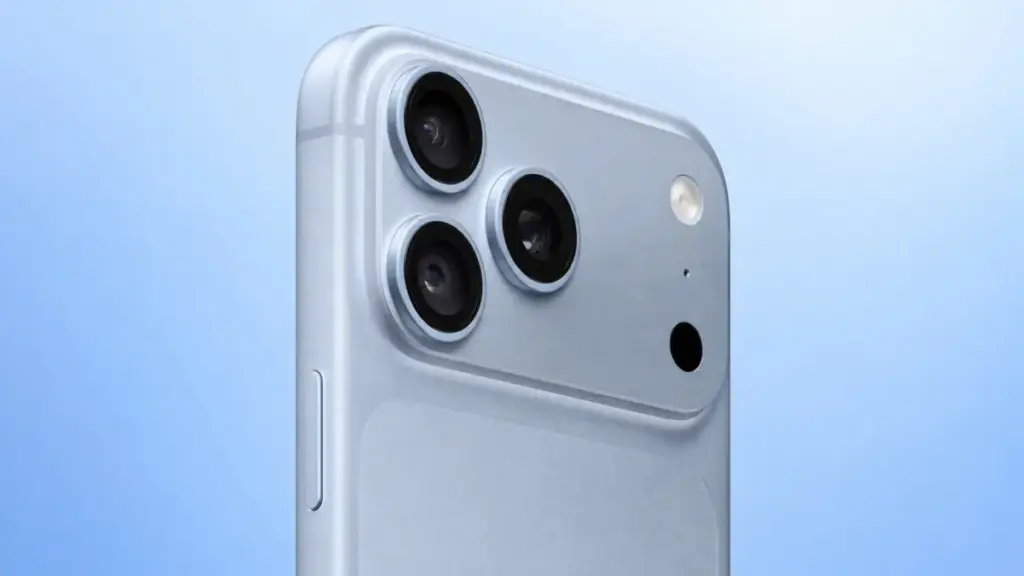
Although Apple confirmed the scope of the problem and provided clear guidance regarding hardware replacement protocols, the company has not publicly disclosed the root technical cause driving the permanent cellular drops. The situation is further highlighted by the dual-sourcing hardware strategy Apple employs for modem components across different global markets. U.S. models of the iPhone 18 Pro Max rely on Qualcomm’s Snapdragon X80 modem to manage 5G and LTE cellular connectivity. In contrast, variants of the iPhone 18 Pro Max sold in all international markets outside the United States are equipped with Apple’s custom-designed C2 modem. Because the cellular failure is currently isolated to U.S. devices connected to AT&T, it remains unclear whether the Qualcomm Snapdragon X80 modem hardware, its specific firmwares, or its interaction with AT&T’s cellular spectrum serves as a contributing factor in the permanent network lockout.
This unexpected hardware replacement scenario emerges shortly after Apple’s high-profile fall product launch sequence. The flagship iPhone 18 Pro Max was officially introduced to the public on Wednesday, September 9, 2026, during Apple’s "Surprise and Shine" keynote event broadcast live from Cupertino, California across Apple’s website, YouTube, and the Apple TV application. The September event represented one of the company’s most expansive product debuts in recent years, headlined by Apple’s first foldable smartphone, the iPhone Duo, alongside the flagship iPhone 18 Pro lineup, the Apple Watch Series 12, the Apple Watch Ultra 4, and fifth-generation AirPods. The launch followed weeks of industry anticipation and market speculation, including detailed hardware cost analyses from market research firms like TrendForce, which had evaluated component environments to estimate consumer pricing ahead of the official keynote.
For early adopters who recently purchased Apple’s highest-end smartphone, the requirement to swap out physical hardware introduces notable friction during what is typically a seamless upgrade period. The realization that an active cellular signal drop cannot be fixed through standard software patching means affected users must navigate the logistical process of backing up personal data, contacting support, and visiting retail centers to exchange non-functional devices. As Apple and AT&T continue pushing out iOS 27.0.1 and the carrier settings update to safeguard the remaining active user base, industry observers are waiting to see whether Apple will eventually formalize an official Apple Service Program specifically designated for this issue. In the interim, affected users experiencing complete cellular signal loss on their AT&T iPhone 18 Pro Max units are advised to make Genius Bar appointments or consult carrier representatives promptly to arrange a full device replacement.
 macOS & Apple IT Support
Amazon Launches First Discounts on Apple Watch Ultra 4 and Series 12 Following Official Release
Following the official market arrival of Apple’s newest wearable lineup, retail channels...
 macOS & Apple IT Support
Apple Signals Major Smart Home Push With October 13 Announcement Featuring New Smart Display, Apple TV 4K, and HomePod mini
Apple is preparing to kick off a multi-stage autumn hardware rollout, starting...
 macOS & Apple IT Support
Amazon Launches Early Prime Day Sales Across Apple’s Latest Lineup, Cutting Prices on MacBooks, iPads, AirPods, and Apple Watches
Amazon has officially kicked off an extensive wave of early discounts ahead...







