
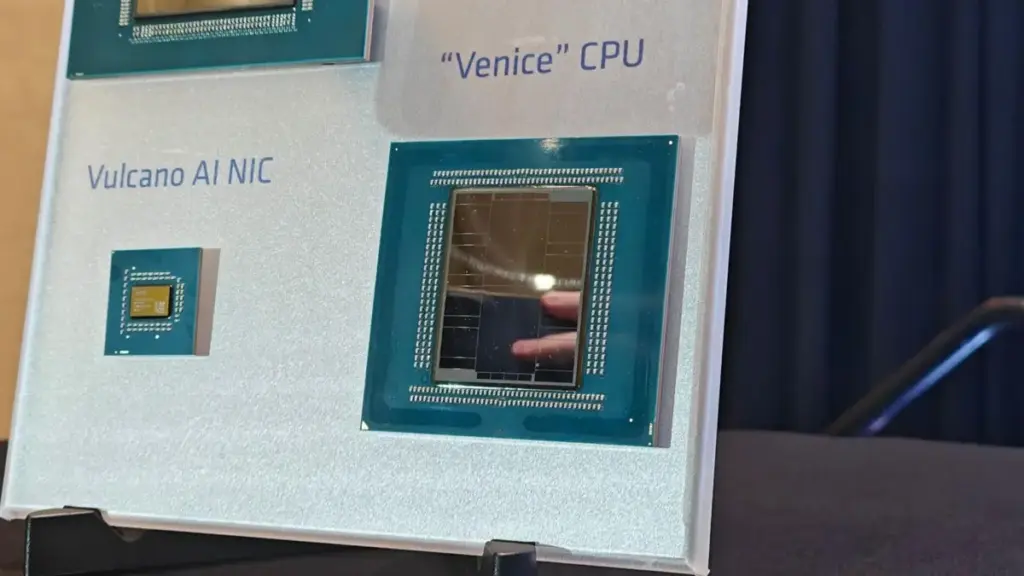
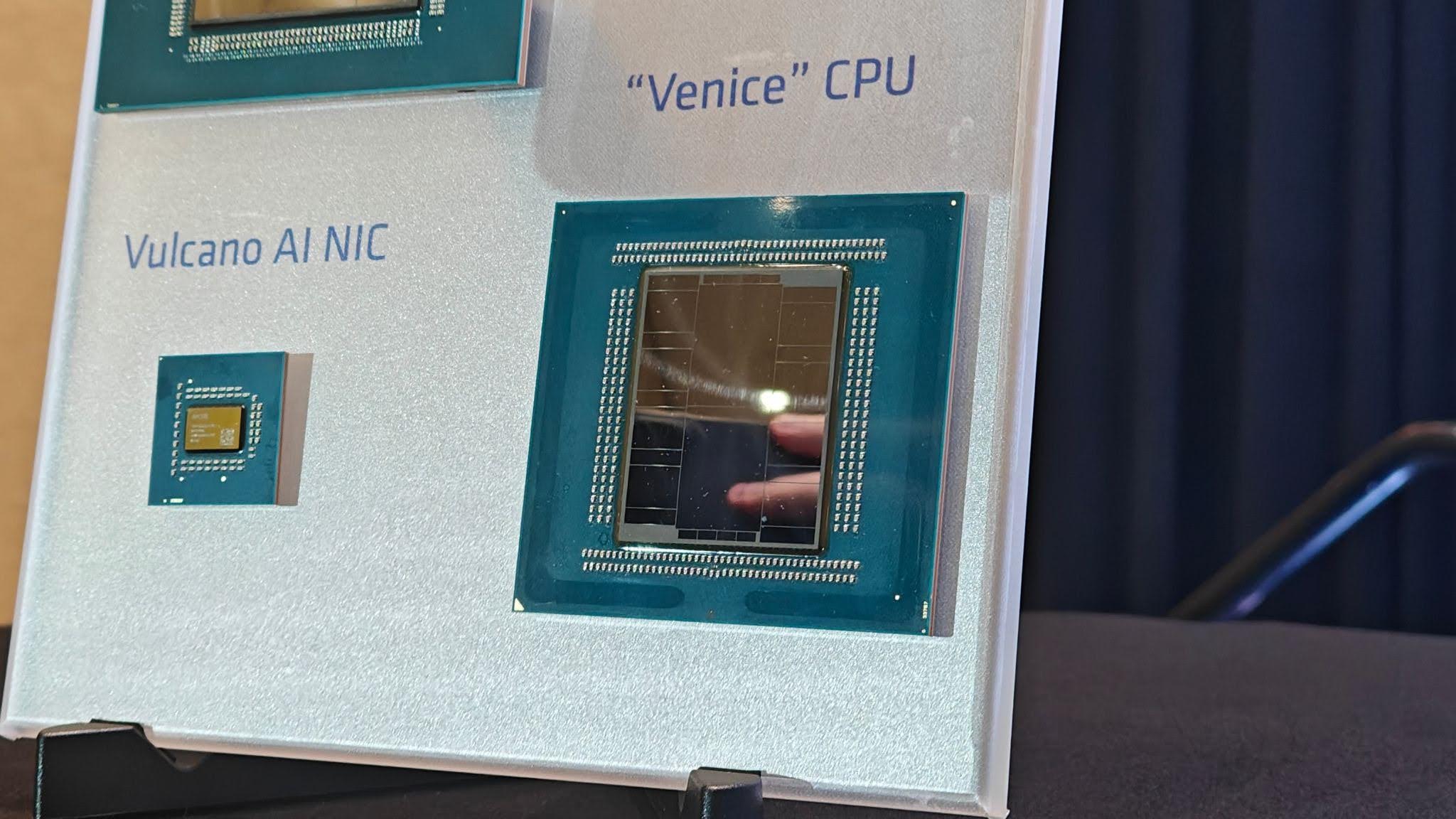
The white paper also touches on the scalability of the Venice platform. By utilizing a multi-chip module (MCM) approach that AMD has perfected over several generations of EPYC, the company can offer a wide range of products within the Venice family. This allows them to tailor specific chips for different market segments—ranging from high-frequency, lower-core-count chips for latency-sensitive tasks to the 256-core behemoths for maximum throughput.
Market Implications and the Road Ahead
The data center market is currently in a state of rapid flux, driven by the explosion of generative AI and the continuous migration of enterprise workloads to the cloud. AMD’s EPYC Venice processors are arriving at a time when efficiency and density are more important than ever. As data centers face increasing scrutiny over power consumption and physical footprint, the ability to pack 256 high-performance cores into a single socket becomes a major competitive advantage.
AMD’s roadmap has been remarkably consistent over the last few years, allowing them to gain significant market share from Intel. With Venice and the Zen 6 architecture, AMD is attempting to maintain that momentum while pre-emptively striking at Nvidia’s attempts to diversify into the CPU space. The 16-channel memory support and 5GHz clock speeds are not just headline-grabbing numbers; they represent the infrastructure necessary to support the next decade of data center growth.
While the benchmarks provided by AMD are internal and will eventually need to be verified by independent third-party testing once the hardware is commercially available, the level of detail in the white paper suggests a high degree of confidence in the Zen 6 architecture. For enterprise customers, the promise of a chip that is twice as fast as the nearest ARM competitor and more than three times faster than legacy x86 options is a compelling proposition.
As the industry moves toward the official release of the Venice platform, the focus will likely shift to power efficiency and real-world deployment. AMD has historically performed well in performance-per-watt metrics, and if Venice can maintain that reputation while delivering these massive performance leaps, it will solidify AMD’s position at the top of the server market. The battle for the data center is no longer just about who has the most cores, but who can provide the most efficient, scalable, and powerful platform for the diverse workloads of the future. With the latest Venice data, AMD has made it clear that they intend to be the ones setting the pace.
 Hardware Reviews & PC Building
Custom Power Distribution Mod Surfaces to Tackle RTX 5090 Overheating Concerns
The launch of NVIDIA’s flagship GeForce RTX 5090 has been met with...
 Hardware Reviews & PC Building
7-year-old Nvidia Shield TV Pro gets shocking 50% price hike driven by AI memory shortage — chipmaker axes…
The Shield TV Pro has long occupied a unique position in the...
 Hardware Reviews & PC Building
Digital Fly Brain Achieves 20 Percent Win Rate in Balatro Following Breakthrough Google Neural Mapping
In the rapidly evolving landscape of artificial intelligence and computational neuroscience, the...







