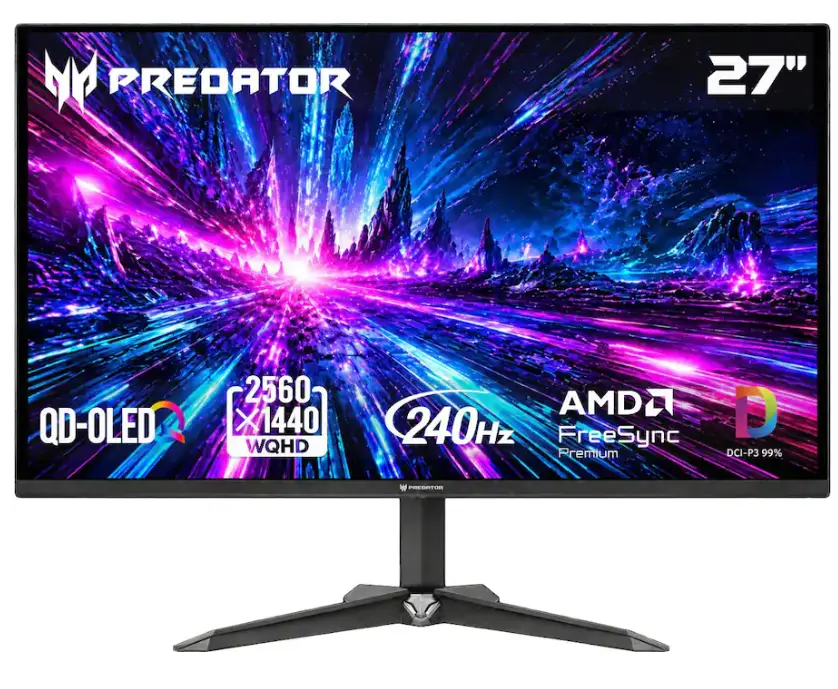
The inclusion of AMD FreeSync Premium technology further enhances the performance profile of the Acer Predator. By synchronizing the monitor’s refresh rate with the output of the graphics card, FreeSync Premium eliminates screen tearing and minimizes stuttering, even when frame rates fluctuate during intense scenes. This is particularly important for an OLED panel, where the high contrast can make visual artifacts like tearing more apparent to the naked eye. Whether a user is powered by an AMD or an NVIDIA GPU, the variable refresh rate support ensures a seamless experience across a wide variety of software environments.
High Dynamic Range (HDR) performance is another area where the XB27OU shines compared to its LCD counterparts. Many budget and mid-range monitors claim HDR support but lack the peak brightness or local dimming zones necessary to deliver a meaningful difference. Because the Acer Predator can control its brightness on a per-pixel level, it can display a bright explosion or a sunbeam directly next to a pitch-black shadow without any light "bleeding" into the dark areas. This capability allows the monitor to meet stringent HDR standards, producing eye-popping colors and highlights that give games a more lifelike, cinematic quality. For players who enjoy atmospheric titles like Alan Wake 2 or Cyberpunk 2077, the ability of QD-OLED to render subtle details in shadows while maintaining vibrant highlights is a transformative experience.
Beyond the panel technology itself, the Acer Predator XB27OU is built with the connectivity and ergonomics expected of a premium gaming peripheral. It includes a robust selection of ports, featuring both DisplayPort and HDMI inputs to accommodate various devices, from high-end gaming PCs to the latest generation of consoles. The Predator line is also known for its aggressive yet functional industrial design, typically featuring stands that offer a wide range of adjustments, including height, tilt, and swivel. This ergonomic flexibility is crucial for maintaining a healthy posture during long hours of work or play, allowing users to position the screen at the ideal eye level.
The current price of $329.99 at Best Buy is particularly noteworthy when viewed through the lens of market history. When QD-OLED monitors first hit the market, they were almost exclusively positioned at price points exceeding $1,000. Even as competition increased from brands like Alienware, LG, and Samsung, finding a 240Hz OLED display for under $500 was considered a rarity just a year ago. At nearly $300, this Acer deal places high-end OLED technology within striking distance of high-end IPS monitors, forcing a recalibration of value for consumers who are looking to upgrade. It signals a democratization of display technology, where the "premium" experience is becoming the new standard for the enthusiast community.
 Hardware Reviews & PC Building
Save up to $800 on Acer’s ultra-slim RTX 5070 Ti gaming laptop — pay $2225 for the 16GB RAM model or upgrade…
The headline of this promotion is a multi-tier discount structure that targets...
 Hardware Reviews & PC Building
7-year-old Nvidia Shield TV Pro gets shocking 50% price hike driven by AI memory shortage — chipmaker axes…
The Shield TV Pro has long occupied a unique position in the...
 Hardware Reviews & PC Building
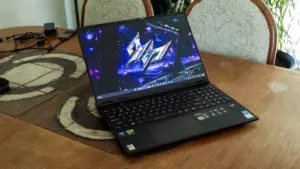
Acer Predator Helios Neo 16S AI Review: Balancing Next-Gen Power with the Constraints of Portability
The landscape of high-end gaming laptops is currently undergoing a significant transformation....