
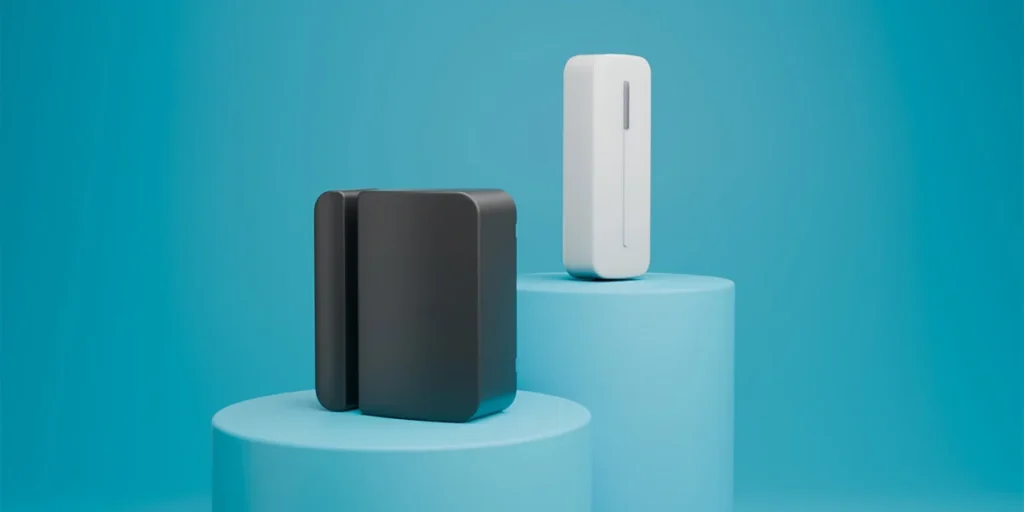
The landscape of DIY home security continues to evolve as homeowners seek more comprehensive ways to monitor their properties beyond the standard four walls of a residence. Abode, a prominent player in the smart home security market known for its deep integration with major ecosystems, has officially announced the expansion of its product lineup. The company today unveiled two new specialized hardware components: the Garage Tilt Sensor and the Outdoor Contact Sensor. Both devices are designed to bring professional-grade monitoring to the often-overlooked perimeter of the home, integrating seamlessly with Apple Home, Amazon Alexa, and Google Assistant.
The launch marks a strategic move for Abode as it seeks to address common vulnerabilities in home security. While many systems focus heavily on front-door entry and interior motion, detached structures and secondary access points frequently remain unmonitored. By introducing sensors specifically engineered for the rigors of the outdoors and the unique mechanical movement of garage doors, Abode is positioning itself as a more holistic solution for the modern, connected household.
Strengthening the Perimeter: The Outdoor Contact Sensor
One of the most significant challenges in DIY home security is extending coverage to the exterior of a property. Standard indoor contact sensors, which typically rely on a magnetic connection to determine if a door or window is closed, often fail when placed in outdoor environments. They are frequently susceptible to moisture, extreme temperatures, and "false positives" caused by the natural shifting of gates or the expansion and contraction of metal structures in the sun.
Abode’s new Outdoor Contact Sensor is purpose-built to overcome these specific environmental hurdles. The device carries an IP66 rating, ensuring it is fully protected against dust ingress and can withstand powerful jets of water, making it resilient against heavy rain and snow. Beyond its physical durability, the sensor features a re-engineered internal mechanism. According to the company, it utilizes a significantly stronger magnet and a wider activation gap compared to standard indoor models.
This wider gap is a critical technical refinement. On outdoor gates, sheds, and mailboxes, alignment is rarely as precise as it is on a finished interior door frame. Wind, humidity, and the settling of fence posts can cause gates to wiggle or shift. A standard sensor might trigger a "door open" alert simply because a gust of wind moved a gate by a fraction of an inch. By allowing for a more generous distance between the sensor and the magnet, Abode aims to eliminate these nuisance alarms while still providing reliable notification if a gate is actually opened.
The Outdoor Contact Sensor is particularly suited for detached garages, storage units, and perimeter fences. For many homeowners, these areas represent a "blind spot" in their security strategy. By bringing these points into the Abode ecosystem, users can receive immediate push notifications the moment a side gate is unlatched or a shed door is compromised, allowing for a rapid response to activity that might otherwise go unnoticed until much later.
Precision Monitoring for Garage Doors: The Garage Tilt Sensor
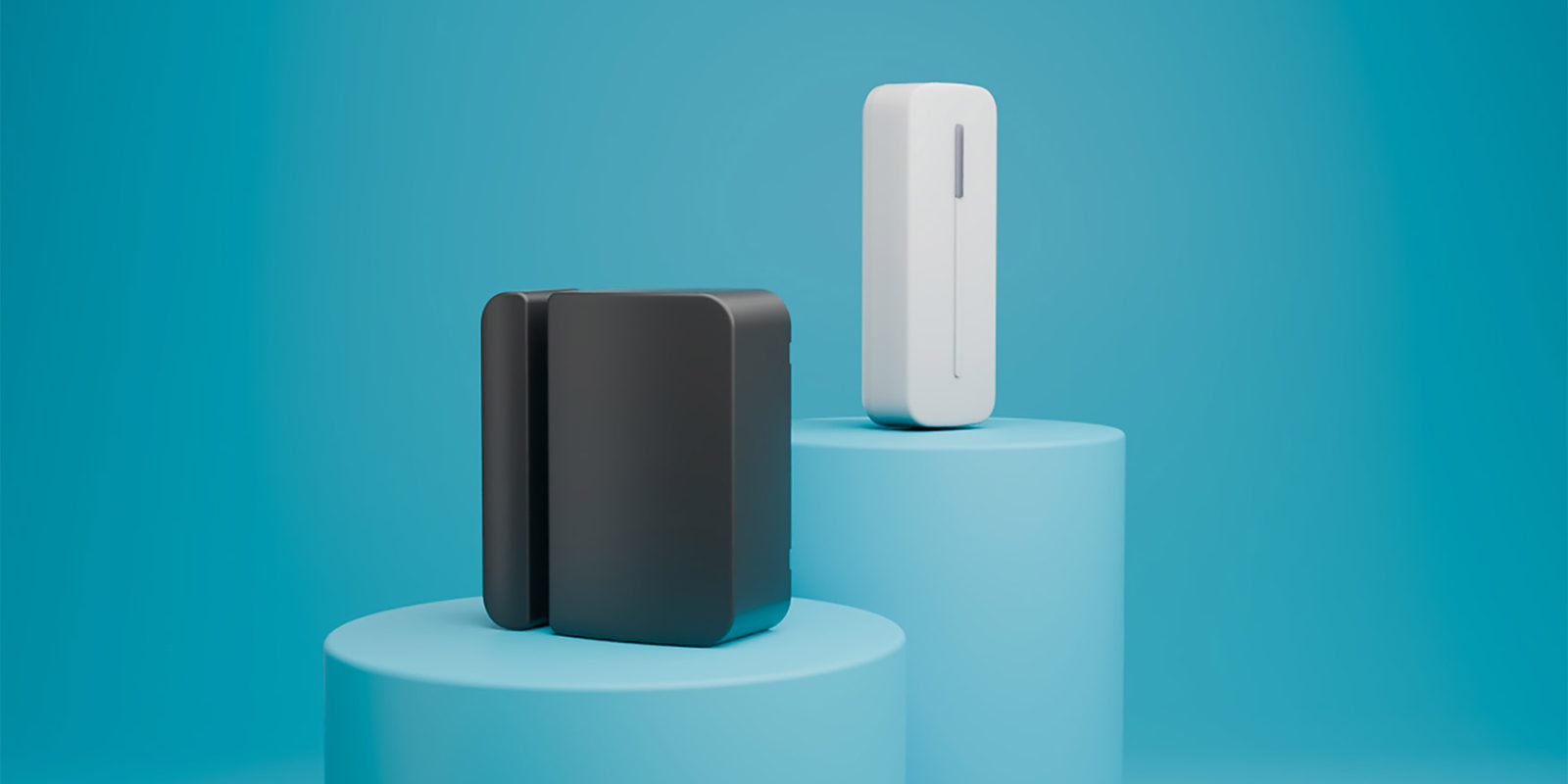
While contact sensors can sometimes be rigged to work on garage doors, they are often bulky and difficult to align on the complex tracks of modern overhead doors. Abode’s new Garage Tilt Sensor offers a more elegant and reliable solution by changing the fundamental way movement is detected. Rather than relying on the proximity of two magnets, the Tilt Sensor monitors the physical orientation of the device itself.
The sensor is designed to detect when a surface changes its angle by more than 45 degrees from its original resting position. This makes it an ideal fit for up-and-over style garage doors, which transition from a vertical to a horizontal position as they open. The versatility of the tilt mechanism extends beyond the garage; Abode suggests the sensor is equally effective for attic hatch doors, basement tilt windows, and any hinged panel or "man-trap" style entry that swings open at an angle.
Longevity is a core pillar of the Tilt Sensor’s design. Abode claims the device can achieve up to 10 years of battery life, a staggering figure in the smart home industry where many sensors require battery replacements every 12 to 24 months. This long-term reliability is essential for devices that are often mounted in hard-to-reach places, such as the top panel of a tall garage door or the interior of a dusty attic crawlspace. When the sensor detects a change in orientation, it transmits an encrypted signal to the Abode hub, which then alerts the homeowner via the mobile app or triggers a broader security response.
Deep Integration and the Power of Automation
While the hardware itself is robust, the true value of these sensors lies in their integration with Abode’s CUE automation engine and the broader Apple Home ecosystem. Abode has long been a favorite among Apple enthusiasts due to its consistent support for HomeKit (now Apple Home), and these new sensors continue that tradition.
Through the CUE engine, homeowners can create complex, "if-this-then-that" scenarios that transform simple monitoring into active home management. For example, the Outdoor Contact Sensor can be linked to exterior smart lighting. If a perimeter gate is opened after sunset, the system can automatically flood the driveway with light, acting as a powerful deterrent to potential intruders.
Similarly, the Garage Tilt Sensor can be used to solve the common anxiety of accidentally leaving the garage door open. Abode highlights the ability to set a timer-based automation: if the garage door remains in an open state for more than 10 minutes, the system can send a high-priority notification to the user’s phone or even trigger a smart garage controller to close the door automatically. This level of automation moves the smart home beyond simple notifications and into the realm of proactive security.
Connectivity remains a high priority for Abode, especially given that outdoor sensors are often located far from the central hub. The company states that under optimal conditions, both the Garage Tilt Sensor and the Outdoor Contact Sensor can maintain a connection at ranges of up to 500 feet. To assist with installation, Abode provides a setup guide that allows users to test the signal strength and range before permanently mounting the hardware, ensuring that the connection is stable enough to penetrate exterior walls and survive the interference often found in residential environments.
A Strategic Focus on the Home Perimeter

The release of these sensors reflects a broader philosophy articulated by Abode’s leadership regarding the nature of residential security. Chris Carney, CEO and Founder of Abode, emphasized that traditional security models often focus on the wrong areas until it is too late.
“Break-ins usually don’t start at the front door,” Carney noted during the announcement. “Unlocked side gates or garages present vulnerable access points often left unmonitored by homeowners. We built these sensors because the perimeter of a home deserves the same protection as the inside of it.”
This focus on the "perimeter" is a response to changing crime patterns and homeowner needs. As front doors become more secure with smart locks and video doorbells, opportunistic intruders often look for easier targets, such as a side shed containing expensive tools or a garage that provides a shielded entry point into the main house. By offering specialized tools to monitor these areas, Abode is attempting to close the loop on DIY home security.
Market Positioning and Availability
Abode has positioned these new sensors as premium additions to its existing DIY kits. The Garage Tilt Sensor enters the market with a suggested retail price of $34.99, while the more rugged, weather-proofed Outdoor Contact Sensor is priced at $49.99.
In a market increasingly crowded with low-cost, generic sensors, Abode is betting that consumers will pay a slight premium for devices that are specifically engineered for their intended environments and offer deep integration with the Apple, Amazon, and Google ecosystems. By focusing on high-durability hardware, exceptional battery life, and sophisticated automation capabilities, Abode continues to strengthen its position as a leading choice for homeowners who want to build a professional-grade security system on their own terms.
Both sensors are available starting today, providing Abode users with the tools necessary to extend their digital eyes and ears to the furthest reaches of their property. As the smart home market matures, the demand for these specialized, high-reliability components is expected to grow, marking a new chapter in the way we think about protecting our homes and everything that surrounds them.
 Smart Home & IoT Solutions
Apple Poised for Major Smart Home Overhaul as Apple Intelligence Breaks Siri Development Bottleneck
For several years, Apple’s presence in the smart home market has felt...
 Smart Home & IoT Solutions
Apple Partners with LG for Strategic Smart Home Expansion Featuring New Cameras and Sensors
In a significant move to revitalize its presence in the domestic technology...
 Smart Home & IoT Solutions
Apple Partners with LG for Major Smart Home Expansion Featuring New Cameras, Locks, and Thermostats
In a significant strategic shift for its domestic technology ecosystem, Apple is...







