

A Strategic Focus on the Home Perimeter

The release of these sensors reflects a broader philosophy articulated by Abode’s leadership regarding the nature of residential security. Chris Carney, CEO and Founder of Abode, emphasized that traditional security models often focus on the wrong areas until it is too late.
“Break-ins usually don’t start at the front door,” Carney noted during the announcement. “Unlocked side gates or garages present vulnerable access points often left unmonitored by homeowners. We built these sensors because the perimeter of a home deserves the same protection as the inside of it.”
This focus on the "perimeter" is a response to changing crime patterns and homeowner needs. As front doors become more secure with smart locks and video doorbells, opportunistic intruders often look for easier targets, such as a side shed containing expensive tools or a garage that provides a shielded entry point into the main house. By offering specialized tools to monitor these areas, Abode is attempting to close the loop on DIY home security.
Market Positioning and Availability
Abode has positioned these new sensors as premium additions to its existing DIY kits. The Garage Tilt Sensor enters the market with a suggested retail price of $34.99, while the more rugged, weather-proofed Outdoor Contact Sensor is priced at $49.99.
In a market increasingly crowded with low-cost, generic sensors, Abode is betting that consumers will pay a slight premium for devices that are specifically engineered for their intended environments and offer deep integration with the Apple, Amazon, and Google ecosystems. By focusing on high-durability hardware, exceptional battery life, and sophisticated automation capabilities, Abode continues to strengthen its position as a leading choice for homeowners who want to build a professional-grade security system on their own terms.
Both sensors are available starting today, providing Abode users with the tools necessary to extend their digital eyes and ears to the furthest reaches of their property. As the smart home market matures, the demand for these specialized, high-reliability components is expected to grow, marking a new chapter in the way we think about protecting our homes and everything that surrounds them.
 Smart Home & IoT Solutions
SwitchBot Unveils Lock Vision Series Featuring Matter Integration and Advanced 3D Biometric Recognition
In a significant expansion of its smart home security portfolio, SwitchBot has...
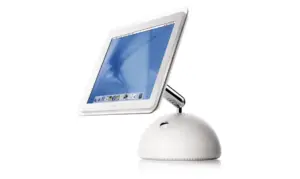 Smart Home & IoT Solutions
Apple Poised to Enter Smart Home Display Market with Design Inspired by Iconic iMac G4
In a move that signals a significant shift in its hardware strategy,...
 Smart Home & IoT Solutions
Apple Prepares for Major Smart Home Expansion as Siri AI Sets the Stage for New Hardware
For the better part of the last decade, Apple’s presence in the...






