

The trajectory of the foldable smartphone market has, for several years, been defined by a series of calculated compromises. Users have traditionally been forced to choose between the pocketable convenience of a "flip" phone or the expansive, tablet-like canvas of a "book" style device. Within the latter category, a new sub-genre has emerged: the "passport-style" foldable. Characterized by a squatter, wider aspect ratio that mimics a traditional notebook, this form factor has recently become the primary battleground for the industry’s heavyweights.
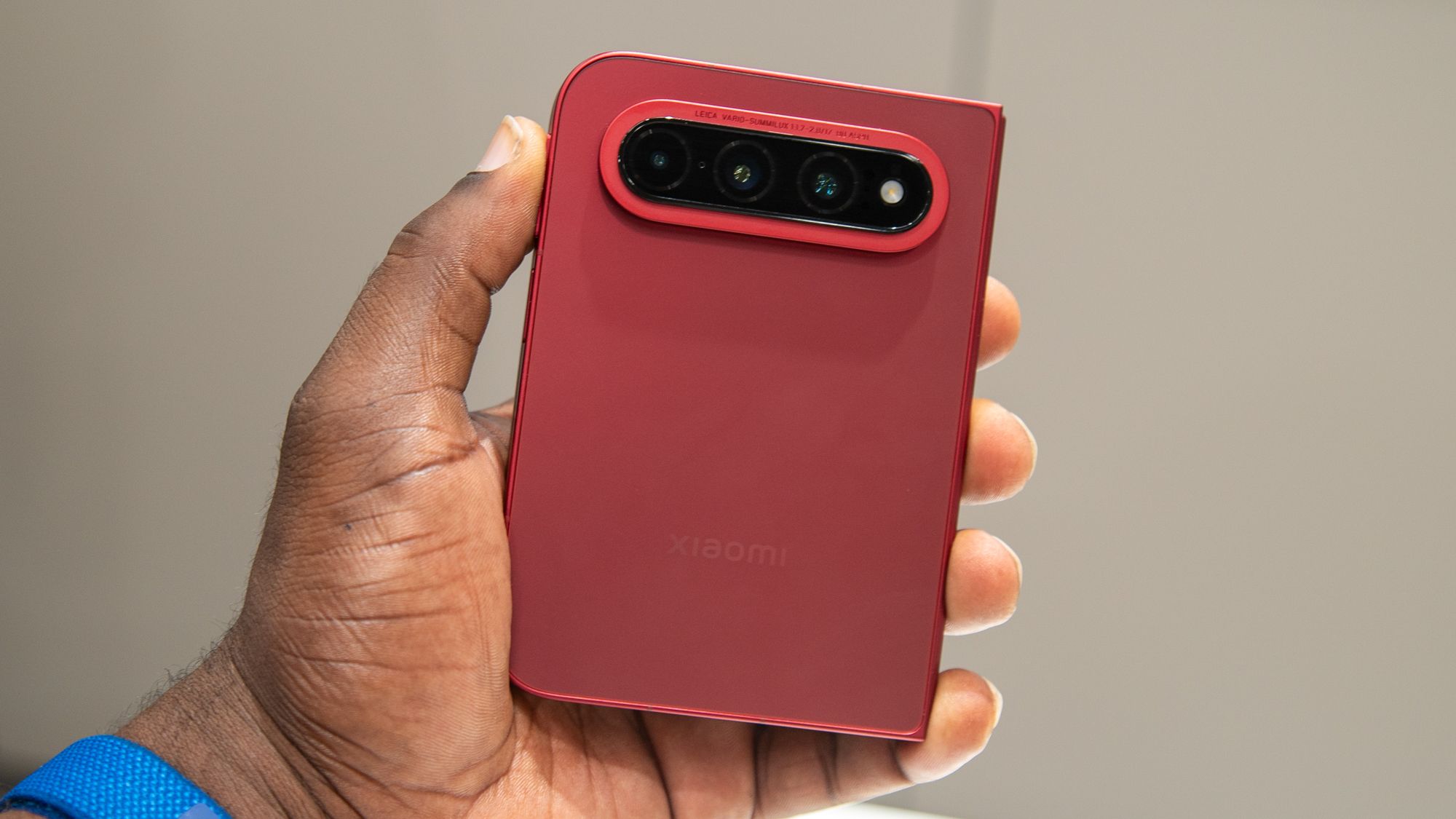
Xiaomi, a company that has been iteratively refining its foldable technology since its debut in 2021, has finally entered this specific arena with the Xiaomi 18 Fold. Launched in the wake of Apple’s much-anticipated iPhone Duo and Samsung’s Galaxy Z Fold 8, the 18 Fold represents a pivotal moment for the Chinese tech giant. It is a device that aims to prove that the compromises we have come to accept in foldables—smaller batteries, inferior cameras, and bulky frames—are no longer necessary. However, as is often the case with Xiaomi’s most ambitious projects, the hardware’s brilliance is contrasted by a software experience that remains firmly tethered to its domestic market.
Price, Specifications, and the Availability Gap
In its home market of mainland China, the Xiaomi 18 Fold is positioned as a disruptor. Starting at 10,999 yuan (approximately $1,640), it significantly undercuts the $1,899 starting price of the Samsung Galaxy Z Fold 8 and the $1,999 entry point for the Apple iPhone Duo. Even when accounting for the inevitable markups associated with grey-market imports, the 18 Fold presents a compelling value proposition for those looking for cutting-edge technology without the "prestige" tax of its primary rivals.
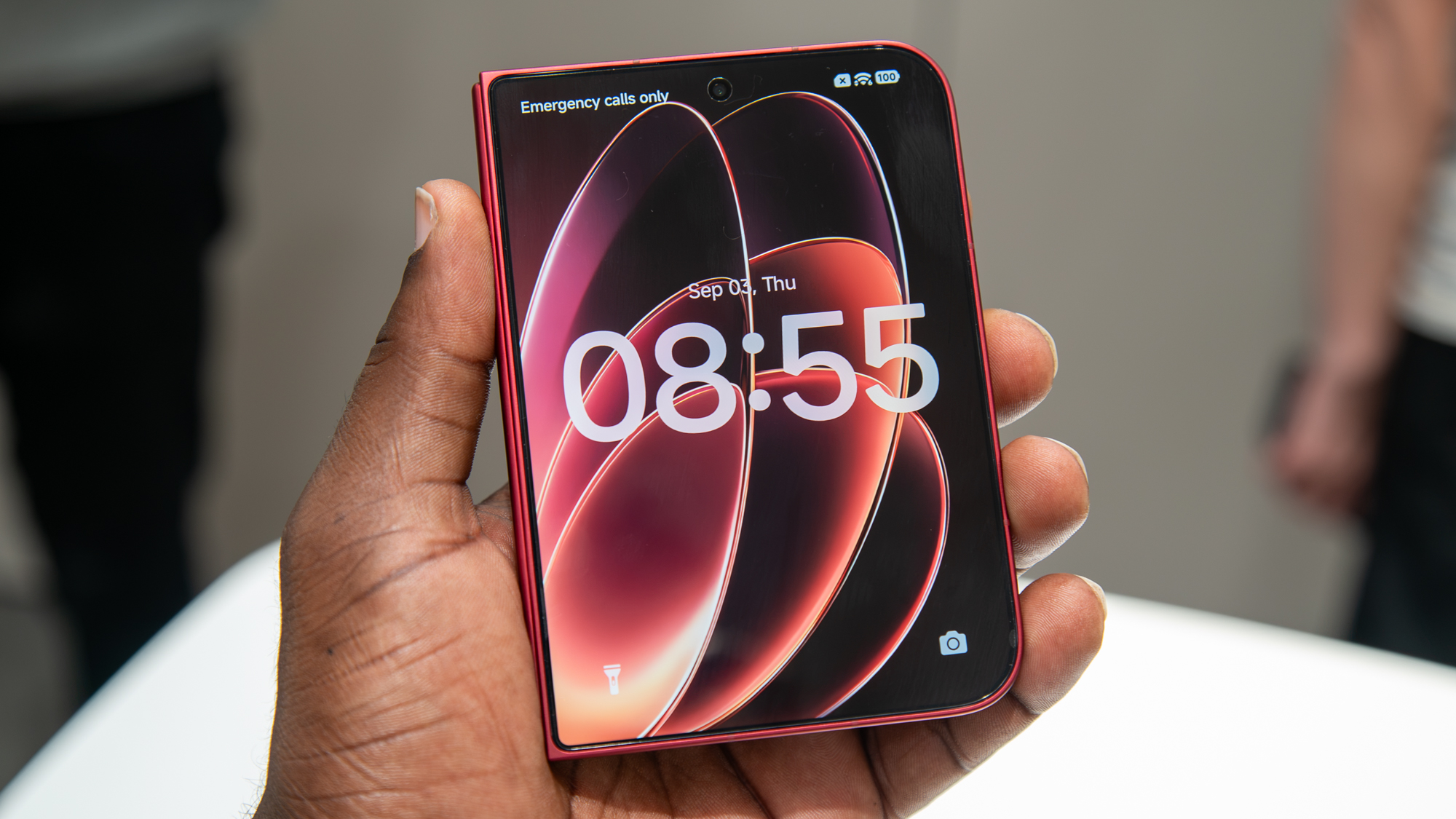
The frustration for international enthusiasts, however, lies in the availability. Despite Xiaomi recently hosting a high-profile global launch event for the Xiaomi 18 Pro and 18 Pro Max, the 18 Fold was conspicuously absent from the international roster. For now, it remains a China-exclusive release, a decision that defines every aspect of the user experience for those living outside the Great Firewall.
Design, Hinge, and the Feat of Ergonomics
The first thing one notices upon handling the Xiaomi 18 Fold is its weight—or, more accurately, the lack thereof. At 219g, Xiaomi has achieved something of an engineering miracle. It is a full 35g lighter than Apple’s iPhone Duo and only 18g heavier than the Galaxy Z Fold 8, despite the latter having a significantly smaller battery and a less complex camera system.
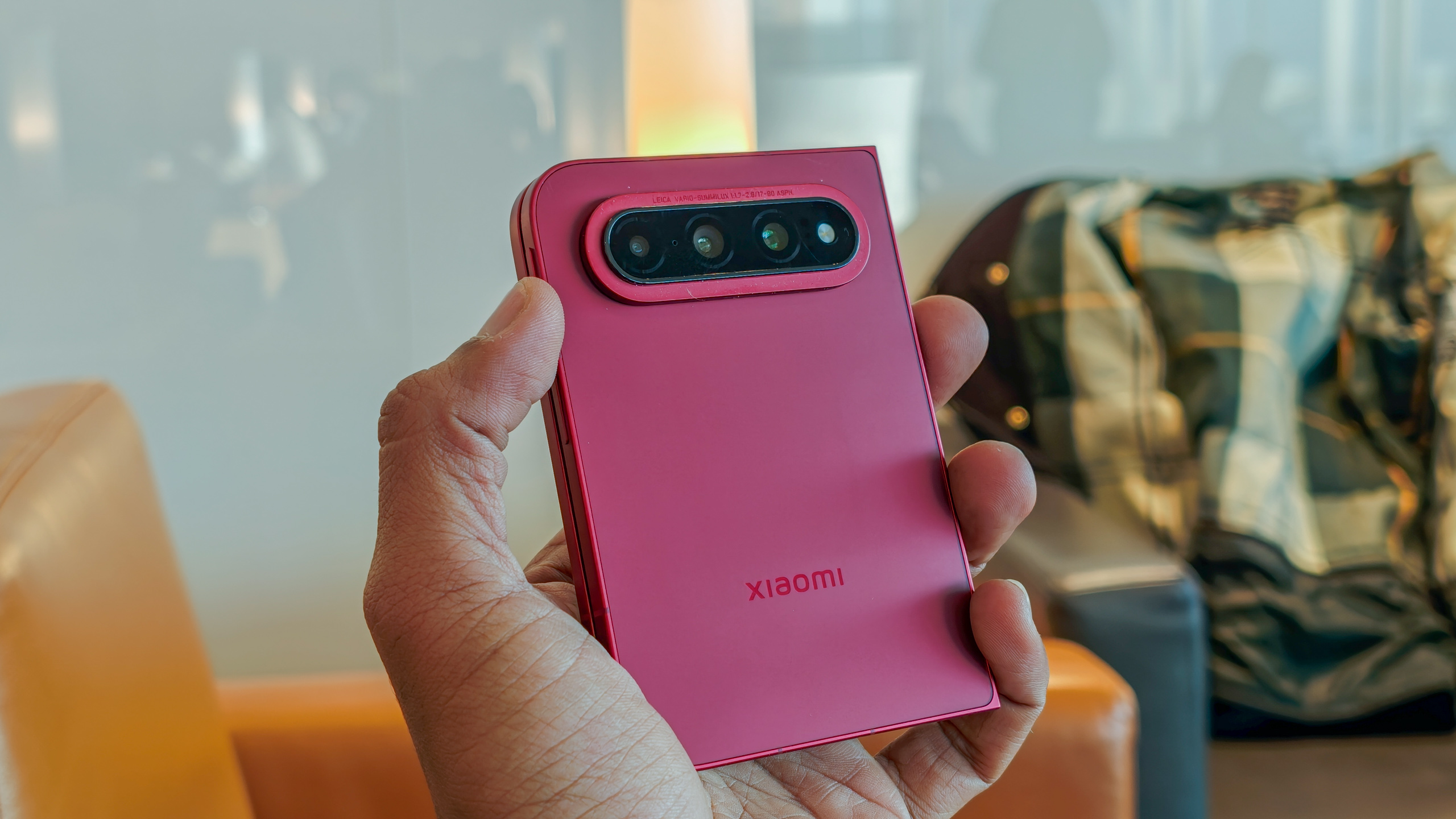
When you look beyond simple weight and examine the total folded volume, the 18 Fold continues to impress. Occupying 105.37 cm³ of physical space, it is more compact than the iPhone Duo (111.95 cm³) and even the slim-profiled Oppo Find N6 (105.82 cm³). Only the Galaxy Z Fold 8 and the Honor Magic V6 occupy less total volume, but neither of those devices offers the 6,000mAh battery or the periscope telephoto optics found here.
The aesthetic is equally refined. The "Nishino Red" matte glass back provides a sophisticated, tactile finish that resists fingerprints, while the dark metal frame adds a sense of structural rigidity. Xiaomi has also turned a potential design hurdle—the wide horizontal camera bar—into an ergonomic advantage. The bar acts as a natural ledge for the index finger, providing a secure anchor point when the device is used in its unfolded portrait orientation.
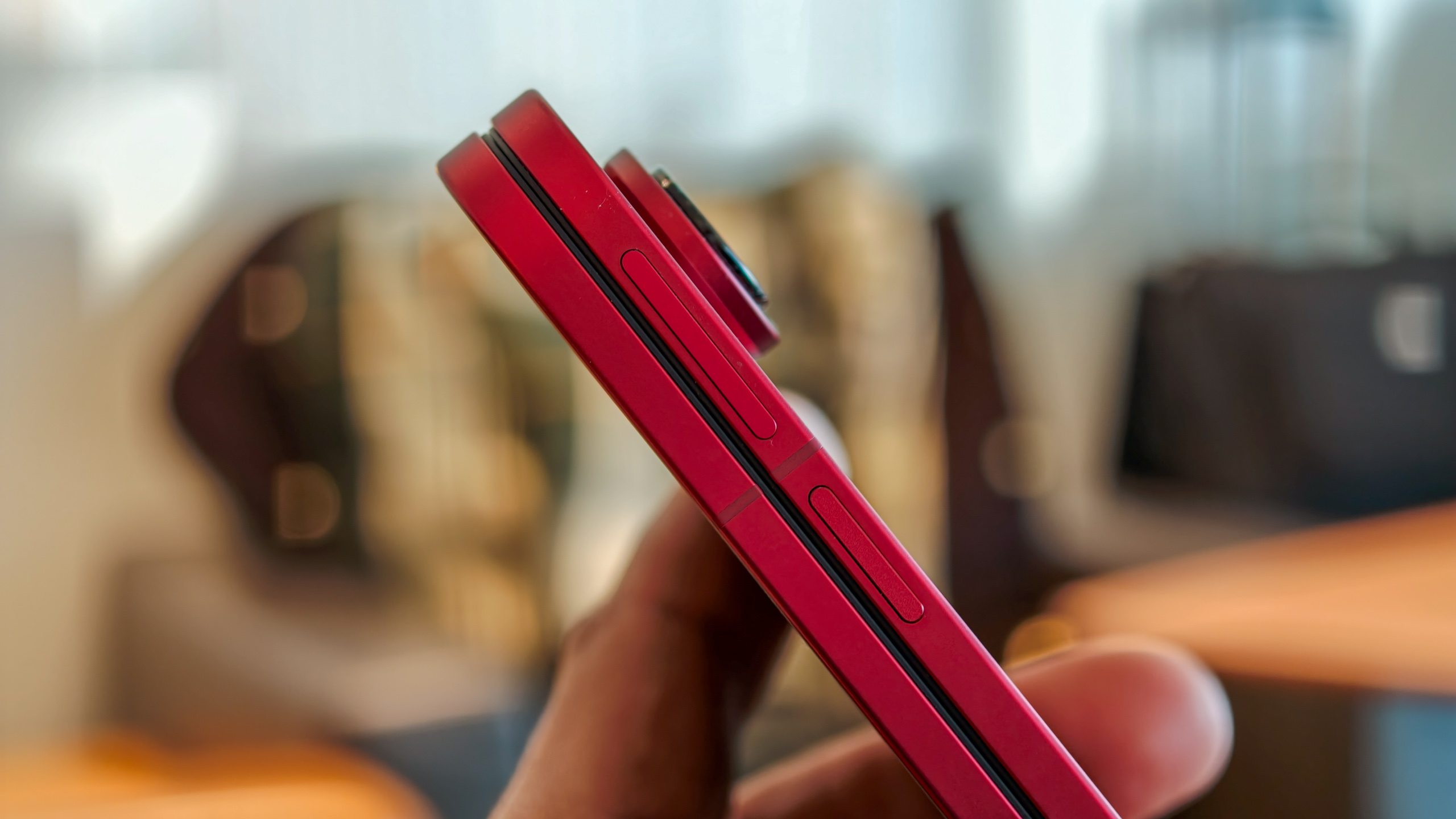
The "keel" hinge feels exceptionally sturdy. While it lacks the sharp, magnetic "thud" found on the iPhone Duo and offers fewer stable angles when partially folded, it operates with a smooth, premium resistance. Xiaomi has also included a side-mounted fingerprint reader and 2D face unlock, providing a level of biometric flexibility that Apple famously omitted from the Duo.
 Mobile Device Management (MDM) & Mobile OS
Samsung Galaxy Fit 4 Leak Points to Refined Design and Updated Connectivity for Upcoming Fitness Tracker
The landscape of wearable technology is often dominated by high-end smartwatches boasting...
 Mobile Device Management (MDM) & Mobile OS
Sony WH-1000XM4 Prices Plunge to Record Lows as Black Friday Sales Begin
The annual Black Friday shopping season has officially arrived, bringing with it...
 Mobile Device Management (MDM) & Mobile OS
YouTube Explores Expansion into Audiobooks to Bolster Premium Subscription Value
The digital landscape is witnessing a significant shift as platform giants increasingly...







