
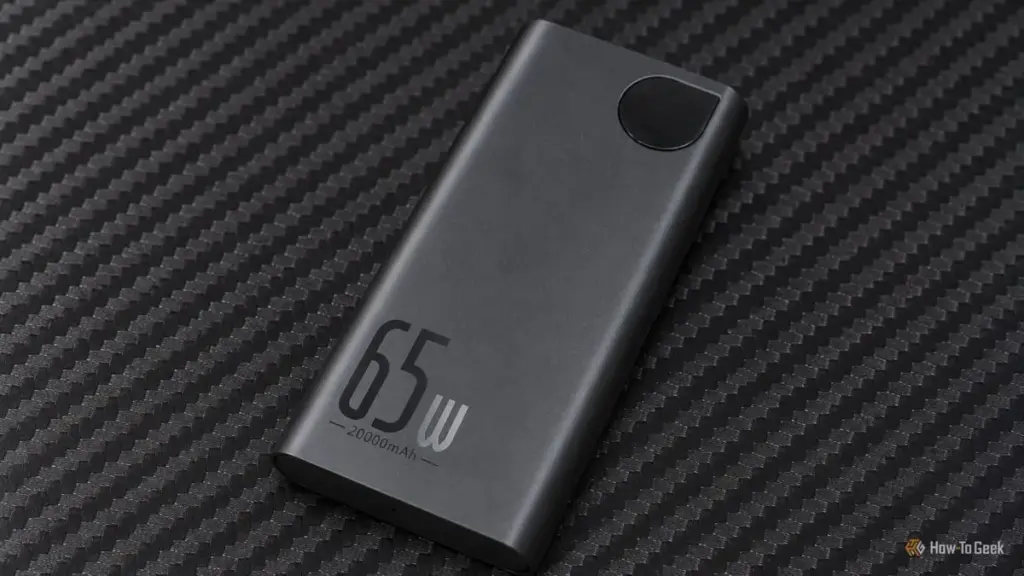
For decades, the Universal Serial Bus, or USB, was viewed primarily through the lens of data transfer. It was the port used for mice, keyboards, and the occasional thumb drive. However, as the digital landscape has matured, the standard has undergone a radical transformation. Today, USB is no longer just a peripheral connection; it has become the near-universal power standard for a staggering array of small electronics. This shift has been accelerated by the rise of USB-C and the Power Delivery (PD) protocol, which has moved the needle from mere milliwatts to high-wattage output capable of sustaining heavy-duty hardware.
The evolution of power technology means that the traditional "wall wart"—those bulky, proprietary power bricks with barrel plug connectors—is increasingly becoming a relic of the past. Whether it is a single-board computer like the Raspberry Pi or a modern cordless power tool, the industry is gravitating toward the convenience of USB-C. With the advent of Power Delivery 3.1, which allows for power levels maxing out at a remarkable 240W, the scope of what can be powered without a traditional wall outlet has expanded exponentially.
According to Sydney Butler, a technology expert with over two decades of experience in system building and hardware editing, this transition offers a newfound freedom for consumers. If a user possesses a power bank capable of delivering sufficient wattage, they are no longer tethered to the electrical grid. This utility becomes vital not just for convenience in the field, but as a critical redundancy during power outages. From backyard entertainment to life-support systems for pets, the modern power bank has moved far beyond simply recharging a smartphone.
Portable Projectors: Transforming Any Space Into a Cinema
One of the most significant beneficiaries of the USB power revolution is the portable projector market. In years past, projectors were cumbersome machines defined by high-heat halogen bulbs and massive power requirements that necessitated a permanent tether to a high-voltage outlet. However, the underlying technology has shifted toward LED and laser light sources, which are significantly more energy-efficient, cooler, and compact.
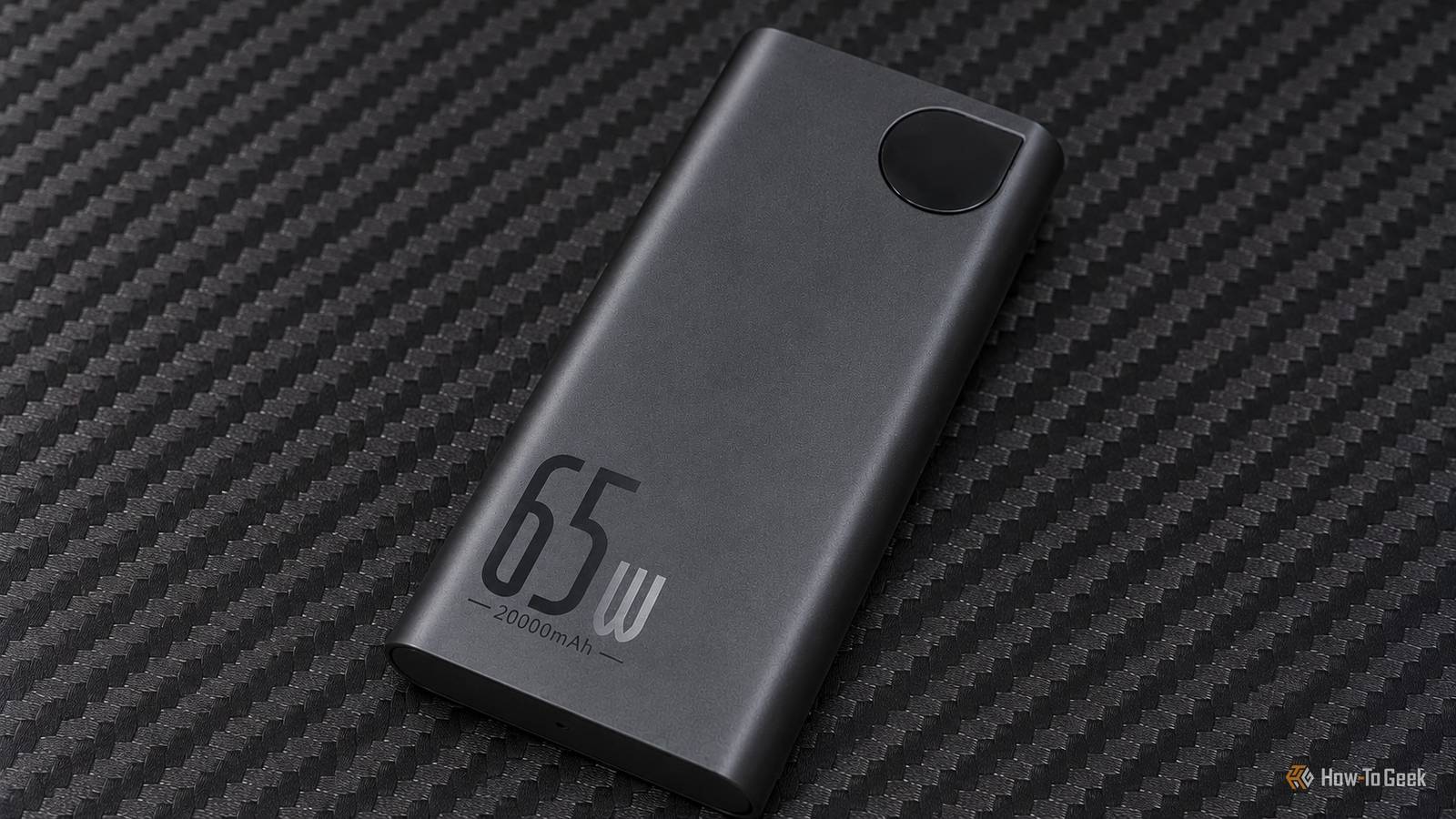
This technological shift allows for high-definition and even 4K UHD projectors to be powered by the same batteries used for mobile phones, provided the battery can meet the specific wattage demands. The modern portable projector is often a self-contained entertainment hub, frequently featuring built-in high-quality speakers and integrated smart TV operating systems. This means users can access streaming services directly from the device without the need for external media players or complex cabling.
While many of these projectors include internal batteries, their runtimes are often limited to a single feature-length film. The ability to connect a high-capacity power bank changes the equation, allowing for marathon viewing sessions in remote locations such as campsites or during travel. For models that lack an internal battery, such as Samsung’s The Freestyle, the power bank becomes the primary engine of portability.
 Tech Tutorials & How-To Guides
The Digital Perimeter: How Samsung’s Evolving Privacy Suite Secures Personal Data During Device Sharing
The modern smartphone is no longer just a communication tool; it has...
 Tech Tutorials & How-To Guides
Netflix Expands November Catalog With a Diverse Mix of Licensed Hits and Psychological Thrillers
As the autumn chill settles in and the holiday season approaches, the...
 Tech Tutorials & How-To Guides
The High-Stakes Game of Liquid Metal Cooling: Is the Performance Boost Worth the Risk?
In the relentless pursuit of peak performance, the PC overclocking community has...







