
The Reloop Spin is a primary example of this trend. It is a turntable designed specifically for mobility, capable of being powered by an internal battery, a wall adapter, or an external power bank. This flexibility allows users to set up a listening station or a practice rig in parks, at record fairs, or during travel, merging the tactile, mechanical nature of vinyl with the lightweight convenience of modern lithium-ion power.
Navigating the Technical Requirements: The Importance of the Math
Despite the increasing versatility of power banks, users must exercise caution and perform due diligence before connecting high-draw devices. Not all power banks are created equal, and the physical presence of a USB-C port does not guarantee that the battery can provide the necessary voltage or current for a specific piece of hardware.
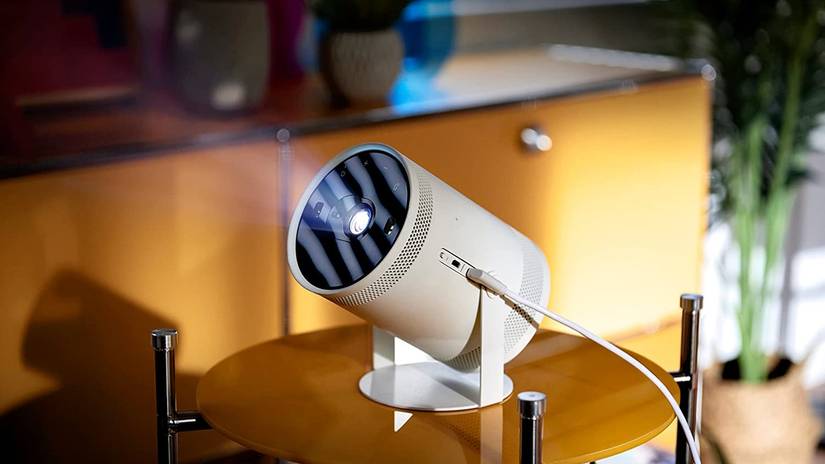
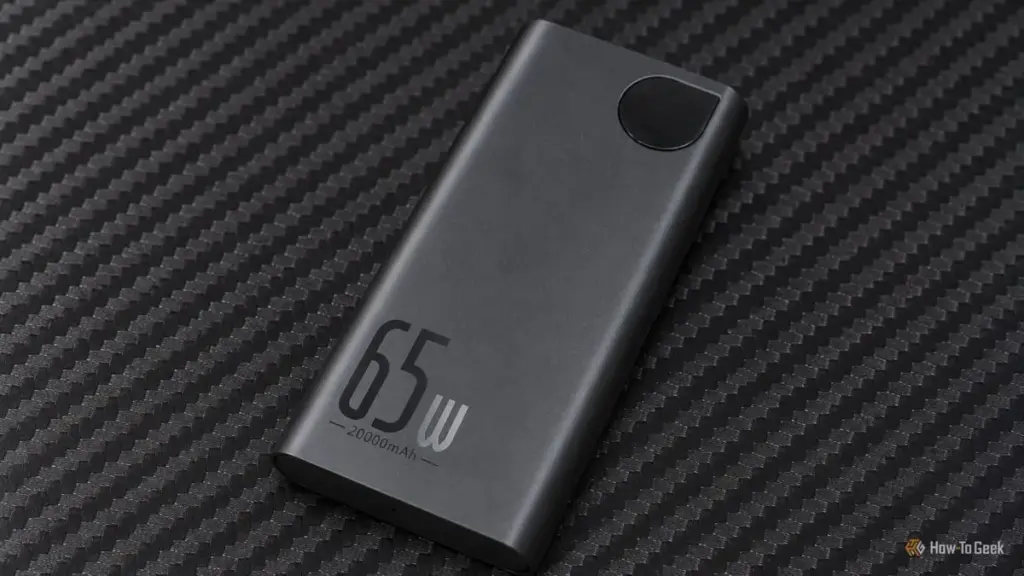
When attempting to run a device that requires a high level of sustained power, it is essential to verify that the power bank’s output matches the device’s input requirements. This often involves checking the Power Delivery (PD) profile of the battery. For instance, a laptop or a projector might require a 20V output at 3.25A (65W), whereas a standard phone-charging power bank might only offer 5V or 9V. If the "handshake" between the power bank and the device fails to negotiate the correct voltage, the device may either fail to turn on or operate in a low-power "throttled" state.
Furthermore, calculating expected runtime is a critical step for any mobile setup. Users should look at the watt-hour (Wh) capacity of their power bank rather than just the milliamp-hour (mAh) rating, as watt-hours provide a more accurate measurement of total energy independent of voltage. It is also vital to account for conversion efficiency. Depending on the quality of the internal circuitry, a power bank will typically only deliver between 80% and 90% of its rated capacity as usable energy, with the remainder lost to heat during the voltage conversion process.
As Sydney Butler notes, the transition to a USB-C-powered world is nearly complete. As consumers continue to move away from the "wall wart" era, the power bank is evolving into a universal battery for the modern age. Whether it is for leisure, hobby, or emergency preparedness, the ability to carry a high-wattage power source in a pocket or backpack is fundamentally changing how we interact with the electronics that define our daily lives. The era of being "plugged in" is being replaced by the era of being "powered up," anywhere and everywhere.
 Tech Tutorials & How-To Guides
The Best Documentaries and Docuseries to Stream: September 2026’s Top Picks
The landscape of streaming television continues to be heavily influenced by the...
 Tech Tutorials & How-To Guides
Paramount+ Strengthens Its Streaming Position with a Curation of Definitive Modern Film Epics
In the increasingly crowded landscape of digital streaming, the competition for subscriber...
 Tech Tutorials & How-To Guides
Bridging the Gap: Caldera Music Brings the Premium Plexamp Experience to the Big Screen
For enthusiasts of self-hosted media, the Plex ecosystem has long been the...






