
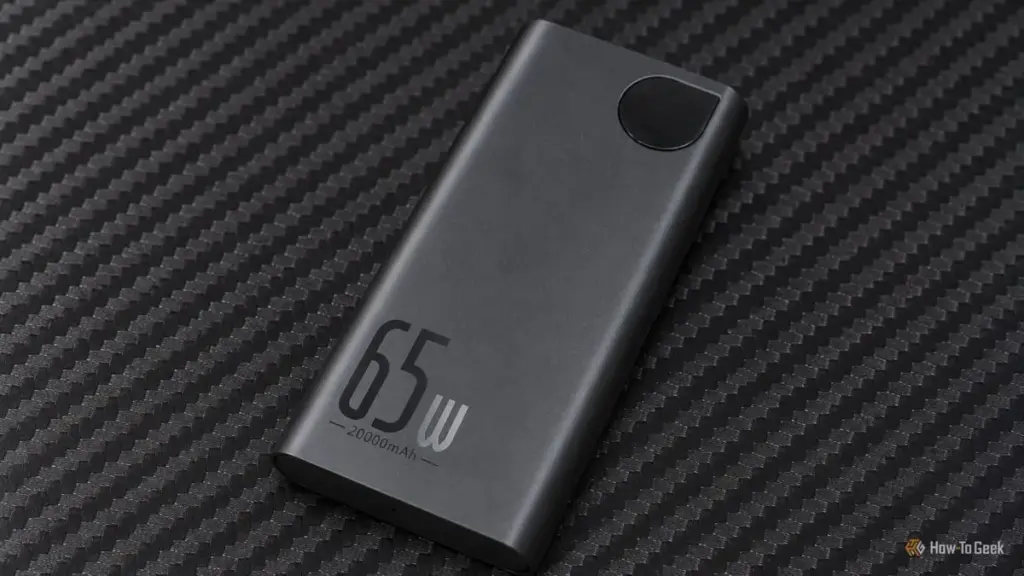
Official documentation for devices like The Freestyle highlights the importance of matching specifications; the manufacturer suggests a minimum capacity of 30,000mAh and a power output of at least 50W. When these criteria are met, the projector can operate at full brightness away from the home, proving that the cinema experience is no longer confined to the living room.
Emergency Life Support for the Home Aquarium
The utility of a robust power bank extends into more specialized and even life-critical areas, such as the maintenance of home aquariums. For seasoned aquarists, a power failure is not merely an inconvenience; it is a race against time. Fish and other aquatic life rely on constant filtration for oxygenation and heaters to maintain a stable biological environment. In regions plagued by frequent blackouts or during severe weather events, a prolonged loss of electricity can lead to the collapse of a tank’s delicate ecosystem.
While dedicated portable power stations with built-in inverters are the gold standard for emergency backup, they are often expensive and bulky. The market has responded by producing a growing range of USB-powered aquarium peripherals. It is now possible to purchase USB-driven water filters and submersible heaters designed for smaller setups or emergency use.

While these USB-powered components may not match the raw throughput of a large, mains-powered canister filter, they serve as a vital bridge during an outage. By connecting these devices to a standard high-capacity power bank, an enthusiast can maintain water circulation and prevent the water temperature from plummeting, potentially saving hundreds of dollars in livestock. This application highlights the shift of the power bank from a lifestyle accessory to a piece of essential emergency equipment.
The Analog Revival Meets Modern Power: Vinyl Turntables
The ongoing resurgence of vinyl records has created a unique intersection between vintage analog technology and modern digital power solutions. While audiophile purists often debate the merits of modern conveniences like Bluetooth integration in turntables, there is no denying the practical benefits of the new generation of portable record players.
Many modern turntables now include USB ports. While these are frequently used for the digital archival of records into formats like MP3 or FLAC, a subset of these devices is designed to be powered entirely via USB. This development is particularly popular in the "portablism" subculture—a community of DJs and enthusiasts who practice record scratching and mixing in outdoor or mobile environments.
 Tech Tutorials & How-To Guides
Netflix Expands November Roster with Subversive Animation, Gritty Thrillers, and Holiday Romance
As the global streaming landscape grows increasingly competitive, Netflix continues to refine...
 Tech Tutorials & How-To Guides
The Rise of the "Travel Binge": Why Limited Series Are Becoming the Preferred Companion for the Modern Traveler
The modern travel experience has undergone a quiet but significant digital transformation...
 Tech Tutorials & How-To Guides
The Ghost in the Machine: Investigating the Root Causes of Unexpected Windows Wake Events
For many Windows users, the experience is unnervingly familiar: a desktop or...







