
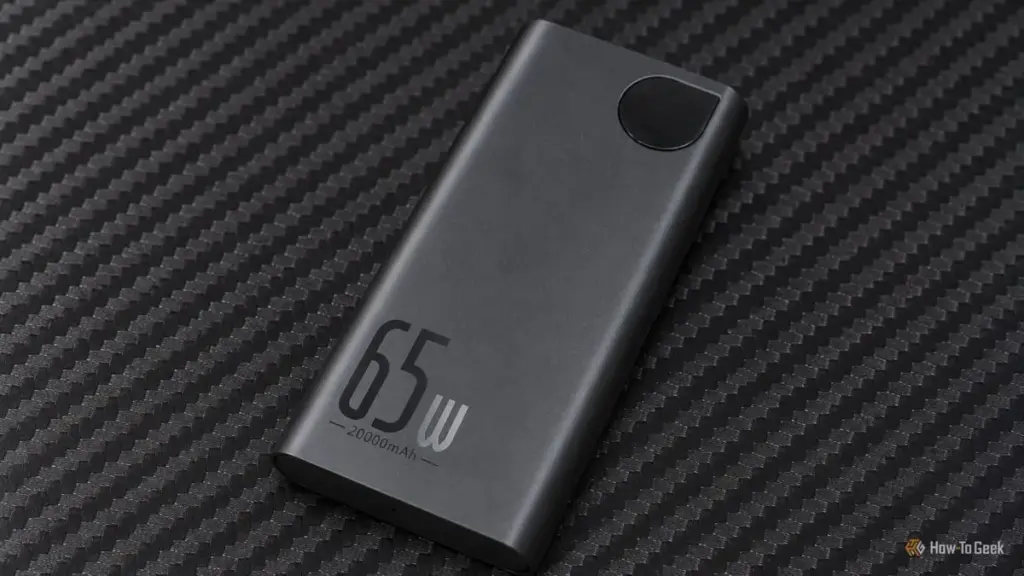
For decades, the Universal Serial Bus, or USB, was viewed primarily through the lens of data transfer. It was the port used for mice, keyboards, and the occasional thumb drive. However, as the digital landscape has matured, the standard has undergone a radical transformation. Today, USB is no longer just a peripheral connection; it has become the near-universal power standard for a staggering array of small electronics. This shift has been accelerated by the rise of USB-C and the Power Delivery (PD) protocol, which has moved the needle from mere milliwatts to high-wattage output capable of sustaining heavy-duty hardware.
The evolution of power technology means that the traditional "wall wart"—those bulky, proprietary power bricks with barrel plug connectors—is increasingly becoming a relic of the past. Whether it is a single-board computer like the Raspberry Pi or a modern cordless power tool, the industry is gravitating toward the convenience of USB-C. With the advent of Power Delivery 3.1, which allows for power levels maxing out at a remarkable 240W, the scope of what can be powered without a traditional wall outlet has expanded exponentially.
According to Sydney Butler, a technology expert with over two decades of experience in system building and hardware editing, this transition offers a newfound freedom for consumers. If a user possesses a power bank capable of delivering sufficient wattage, they are no longer tethered to the electrical grid. This utility becomes vital not just for convenience in the field, but as a critical redundancy during power outages. From backyard entertainment to life-support systems for pets, the modern power bank has moved far beyond simply recharging a smartphone.
Portable Projectors: Transforming Any Space Into a Cinema
One of the most significant beneficiaries of the USB power revolution is the portable projector market. In years past, projectors were cumbersome machines defined by high-heat halogen bulbs and massive power requirements that necessitated a permanent tether to a high-voltage outlet. However, the underlying technology has shifted toward LED and laser light sources, which are significantly more energy-efficient, cooler, and compact.
This technological shift allows for high-definition and even 4K UHD projectors to be powered by the same batteries used for mobile phones, provided the battery can meet the specific wattage demands. The modern portable projector is often a self-contained entertainment hub, frequently featuring built-in high-quality speakers and integrated smart TV operating systems. This means users can access streaming services directly from the device without the need for external media players or complex cabling.
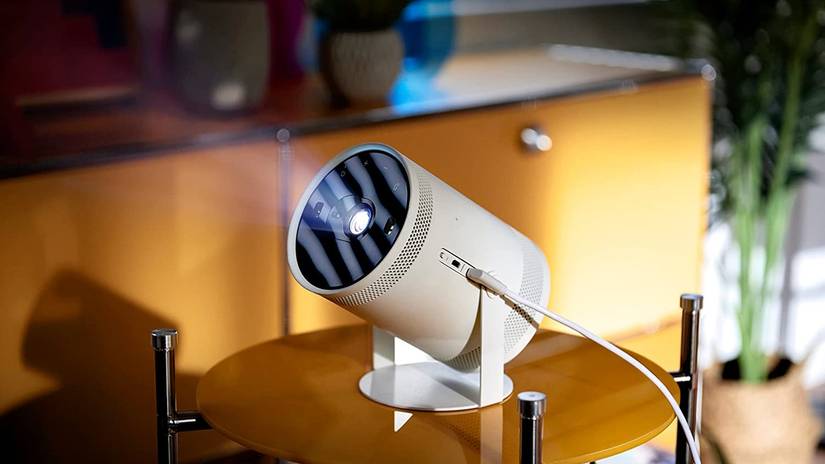
While many of these projectors include internal batteries, their runtimes are often limited to a single feature-length film. The ability to connect a high-capacity power bank changes the equation, allowing for marathon viewing sessions in remote locations such as campsites or during travel. For models that lack an internal battery, such as Samsung’s The Freestyle, the power bank becomes the primary engine of portability.
Official documentation for devices like The Freestyle highlights the importance of matching specifications; the manufacturer suggests a minimum capacity of 30,000mAh and a power output of at least 50W. When these criteria are met, the projector can operate at full brightness away from the home, proving that the cinema experience is no longer confined to the living room.
Emergency Life Support for the Home Aquarium
The utility of a robust power bank extends into more specialized and even life-critical areas, such as the maintenance of home aquariums. For seasoned aquarists, a power failure is not merely an inconvenience; it is a race against time. Fish and other aquatic life rely on constant filtration for oxygenation and heaters to maintain a stable biological environment. In regions plagued by frequent blackouts or during severe weather events, a prolonged loss of electricity can lead to the collapse of a tank’s delicate ecosystem.
While dedicated portable power stations with built-in inverters are the gold standard for emergency backup, they are often expensive and bulky. The market has responded by producing a growing range of USB-powered aquarium peripherals. It is now possible to purchase USB-driven water filters and submersible heaters designed for smaller setups or emergency use.

While these USB-powered components may not match the raw throughput of a large, mains-powered canister filter, they serve as a vital bridge during an outage. By connecting these devices to a standard high-capacity power bank, an enthusiast can maintain water circulation and prevent the water temperature from plummeting, potentially saving hundreds of dollars in livestock. This application highlights the shift of the power bank from a lifestyle accessory to a piece of essential emergency equipment.
The Analog Revival Meets Modern Power: Vinyl Turntables
The ongoing resurgence of vinyl records has created a unique intersection between vintage analog technology and modern digital power solutions. While audiophile purists often debate the merits of modern conveniences like Bluetooth integration in turntables, there is no denying the practical benefits of the new generation of portable record players.
Many modern turntables now include USB ports. While these are frequently used for the digital archival of records into formats like MP3 or FLAC, a subset of these devices is designed to be powered entirely via USB. This development is particularly popular in the "portablism" subculture—a community of DJs and enthusiasts who practice record scratching and mixing in outdoor or mobile environments.
The Reloop Spin is a primary example of this trend. It is a turntable designed specifically for mobility, capable of being powered by an internal battery, a wall adapter, or an external power bank. This flexibility allows users to set up a listening station or a practice rig in parks, at record fairs, or during travel, merging the tactile, mechanical nature of vinyl with the lightweight convenience of modern lithium-ion power.
Navigating the Technical Requirements: The Importance of the Math
Despite the increasing versatility of power banks, users must exercise caution and perform due diligence before connecting high-draw devices. Not all power banks are created equal, and the physical presence of a USB-C port does not guarantee that the battery can provide the necessary voltage or current for a specific piece of hardware.
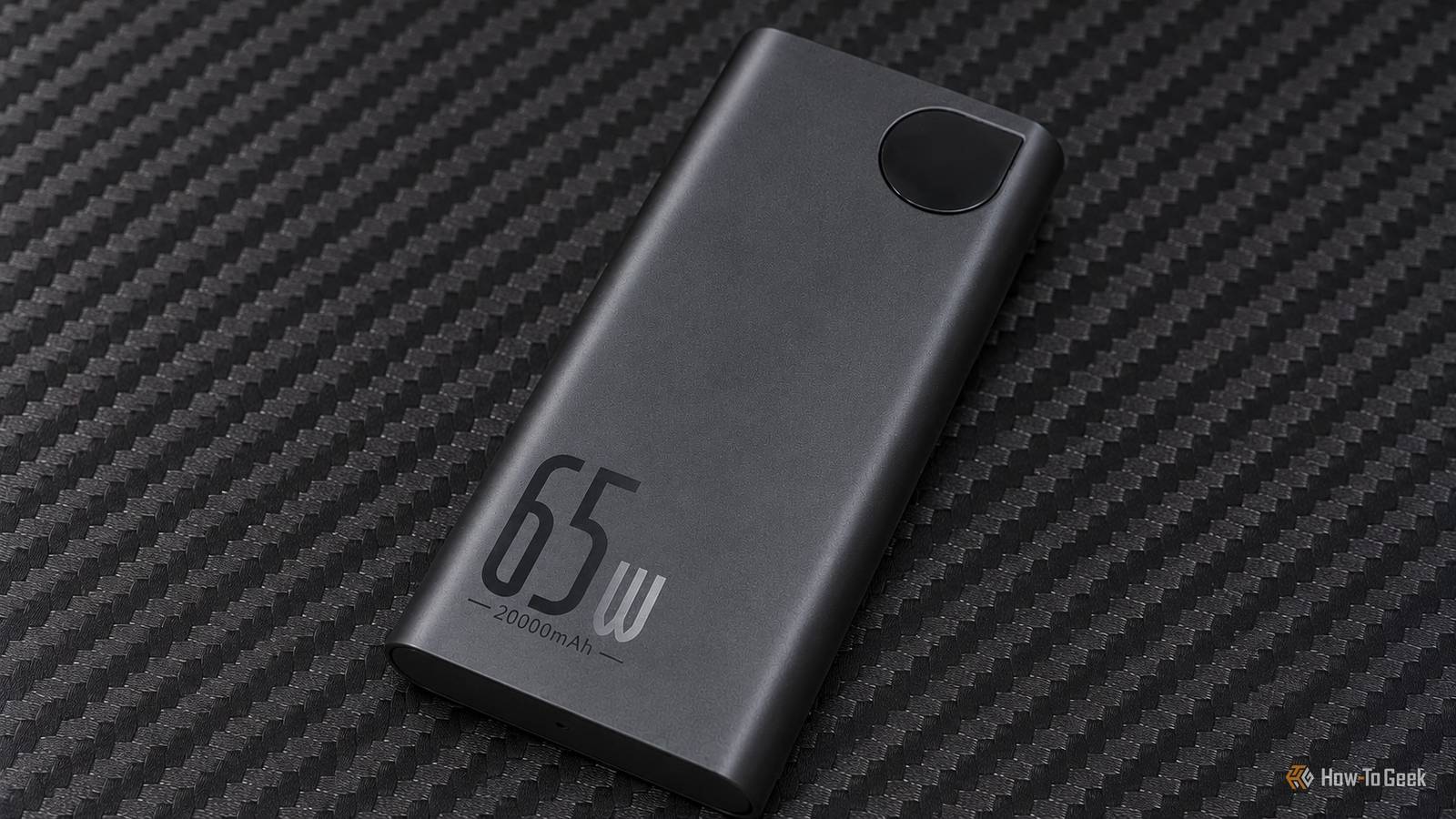
When attempting to run a device that requires a high level of sustained power, it is essential to verify that the power bank’s output matches the device’s input requirements. This often involves checking the Power Delivery (PD) profile of the battery. For instance, a laptop or a projector might require a 20V output at 3.25A (65W), whereas a standard phone-charging power bank might only offer 5V or 9V. If the "handshake" between the power bank and the device fails to negotiate the correct voltage, the device may either fail to turn on or operate in a low-power "throttled" state.
Furthermore, calculating expected runtime is a critical step for any mobile setup. Users should look at the watt-hour (Wh) capacity of their power bank rather than just the milliamp-hour (mAh) rating, as watt-hours provide a more accurate measurement of total energy independent of voltage. It is also vital to account for conversion efficiency. Depending on the quality of the internal circuitry, a power bank will typically only deliver between 80% and 90% of its rated capacity as usable energy, with the remainder lost to heat during the voltage conversion process.
As Sydney Butler notes, the transition to a USB-C-powered world is nearly complete. As consumers continue to move away from the "wall wart" era, the power bank is evolving into a universal battery for the modern age. Whether it is for leisure, hobby, or emergency preparedness, the ability to carry a high-wattage power source in a pocket or backpack is fundamentally changing how we interact with the electronics that define our daily lives. The era of being "plugged in" is being replaced by the era of being "powered up," anywhere and everywhere.
 Tech Tutorials & How-To Guides
Reliability Without the Premium Price: The Evolution of Affordable Multi-Tools for Modern Everyday Carry
The concept of "Everyday Carry," or EDC, has evolved from a niche...
 Tech Tutorials & How-To Guides
Streaming This Weekend: Horror Prequels, Marvel Returns, and High-Stakes Political Dramas Lead the Lineup
As the calendar turns toward the midpoint of October, the entertainment landscape...
 Tech Tutorials & How-To Guides
The Cost of Convenience: Analyzing the Value Proposition of Milwaukee’s M18 Cordless Lineup
In the modern landscape of construction and woodworking, the corded power tool...






