
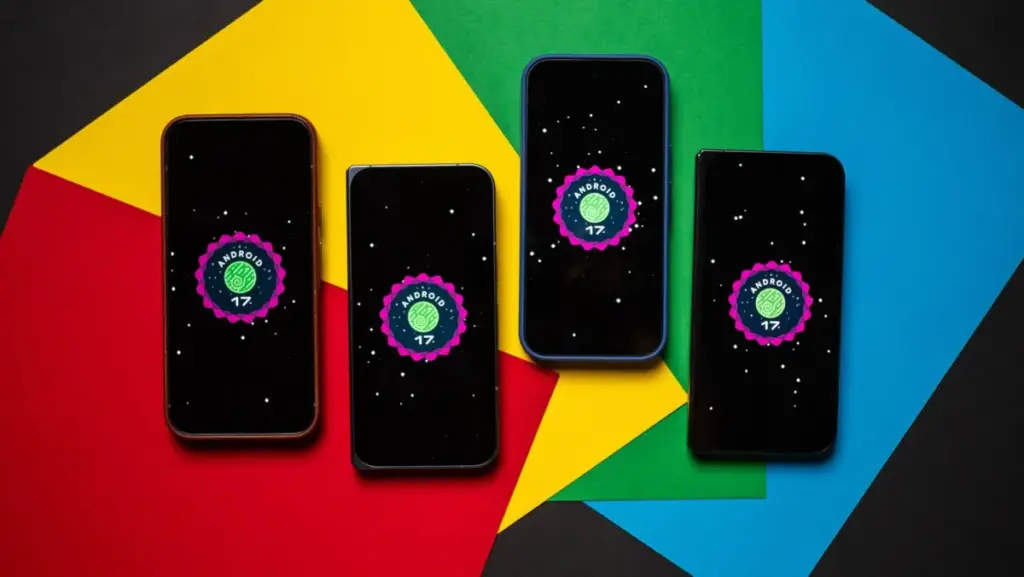
Google has officially pulled back the curtain on its highly anticipated November Pixel Drop, a comprehensive software suite designed to bridge the gap between hardware generations and breathe new life into both current and legacy Pixel smartphones. Unlike the standard monthly security patches that focus on backend stability and vulnerability fixes, these periodic "Feature Drops" represent a core pillar of Google’s hardware strategy, allowing the company to roll out innovative software capabilities and user interface refinements that were often previously reserved for its newest flagship models.
The November update is particularly significant for its focus on democratizing Google’s most advanced artificial intelligence. While the launch of a new Pixel series often introduces exclusive software features to entice buyers, this latest update signals a commitment to longevity by migrating several high-profile features from the cutting-edge Pixel 11 series back to the Pixel 10 lineup. By doing so, Google is effectively narrowing the functional divide between its most recent flagship and its predecessor, ensuring that users who invested in last year’s hardware continue to benefit from the company’s rapid advancements in machine learning and generative AI.
Gemini Intelligence Migrates to the Pixel 10 Series
The centerpiece of the November Pixel Drop is the expansion of Gemini Intelligence. Originally a hallmark of the Pixel 11 series, these sophisticated AI-driven tools are now arriving on the Pixel 10, Pixel 10 Pro, and Pixel 10 Pro Fold. This move brings a suite of "proactive" features to last year’s flagship hardware, most notably the introduction of "Rambler."
Rambler represents a significant evolution in how mobile AI interacts with the user’s daily workflow. Rather than acting as a simple voice-to-text interface, Rambler leverages Gemini’s ability to understand context and manage multi-step tasks across different applications. For instance, if a user receives a text message inquiring about their estimated time of arrival (ETA) while they are actively navigating with Google Maps, the Pixel’s on-device intelligence can analyze the navigation data and provide a one-tap suggestion to share the ETA with the sender. This level of cross-app integration is designed to reduce the cognitive load of multitasking, allowing the device to act as a more intuitive personal assistant that anticipates the user’s needs based on real-time activity.
Furthermore, Gemini’s personalized suggestions are becoming more deeply integrated into the operating system. By analyzing patterns and current tasks, the AI can offer contextual shortcuts and actions that feel more organic than traditional notifications. This shift toward a more conversational and context-aware interface is a major step in Google’s long-term vision of transforming the smartphone from a tool into a proactive partner.
Generative Customization and the Nano Banana AI Model
Personalization has long been a defining characteristic of the Android experience, and the November Pixel Drop takes this to a new level through generative AI. One of the most talked-about additions is the "Create My Widget" feature. Moving away from the traditional method of selecting from a pre-designed list of widgets, users can now use natural language prompts to describe the specific look and function they desire. Upon receiving a description, the system generates a custom widget tailored to the user’s aesthetic and functional preferences.
 Mobile Device Management (MDM) & Mobile OS
Samsung Galaxy S26 Ultra Users Face Critical Freezing Issues and Startup Errors Following One UI 9 Update
The launch of a major operating system update is traditionally a moment...
 Mobile Device Management (MDM) & Mobile OS
OnePlus Accelerates Software Roadmap with Early Release of Stable ColorOS 17 for OnePlus 15 and OnePlus Pad 4
In a move that has surprised both industry analysts and the brand’s...
 Mobile Device Management (MDM) & Mobile OS
Samsung Announces US Launch for Galaxy Buds On: A Deep Dive into the Tech Giant’s First Open-Ear Clip-On Earbuds
In a strategic move that signals a significant shift in its wearable...







