
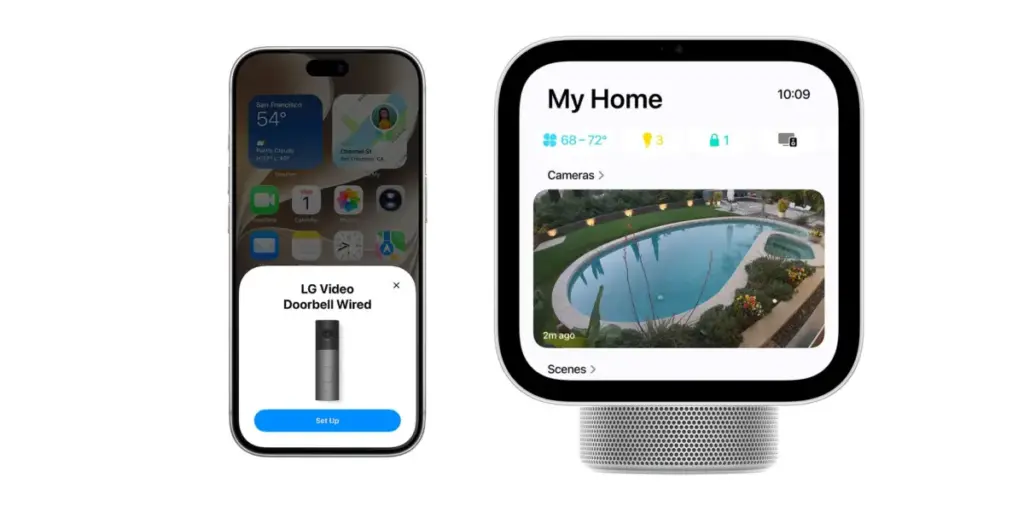
For those who inhabit the world of technology reporting and enthusiast forums, it is often easy to lose sight of the fact that we exist within a specialized bubble. For the "geeks" among us, smart home technology is a familiar landscape. Many have spent more than a decade—and in some cases, several decades, dating back to the early days of X10 industry standards—tinkering with automated lighting, networked sensors, and programmable thermostats. Within this circle, the complexities of networking and the nuances of device compatibility are seen as minor hurdles or even part of the hobby itself.
However, the recent unveiling of the Apple Home Collection, a new suite of smart home accessories developed in collaboration with industry giants LG and Schneider Electric, has sparked a wave of skepticism among this tech-literate crowd. Critics have pointed to the significantly higher price points of these devices, noting that they do not appear to offer revolutionary new features that aren’t already available via cheaper alternatives. Why, they ask, would anyone pay a premium for a smart doorbell or a light switch when the market is already saturated with functional, low-cost options?
The answer, it seems, lies in the "bubble effect." While the enthusiast looks at the hardware specifications and the price tag, the average consumer looks at the friction. By focusing on the "onboarding" experience rather than just the feature list, Apple may have finally found the key to moving smart home technology out of the enthusiast’s garage and into the average person’s living room.
HomeKit was a start, but not enough
To understand why the Apple Home Collection is being positioned as a game-changer, one must look back at the evolution of the industry. In the earliest iterations of home automation, the barrier to entry was immense. Setting up a smart device often required a working knowledge of soldering, basic programming, and complex wiring. As the technology matured, it became more accessible through the introduction of wireless protocols and smartphone control, but the user experience remained fragmented.
In those middle years, configuring a new device was far from a "plug-and-play" affair. Consumers were forced to manage a digital graveyard of companion apps—one for their lightbulbs, another for their locks, and a third for their security cameras. Each manufacturer required its own account, its own cloud service, and its own unique setup process.
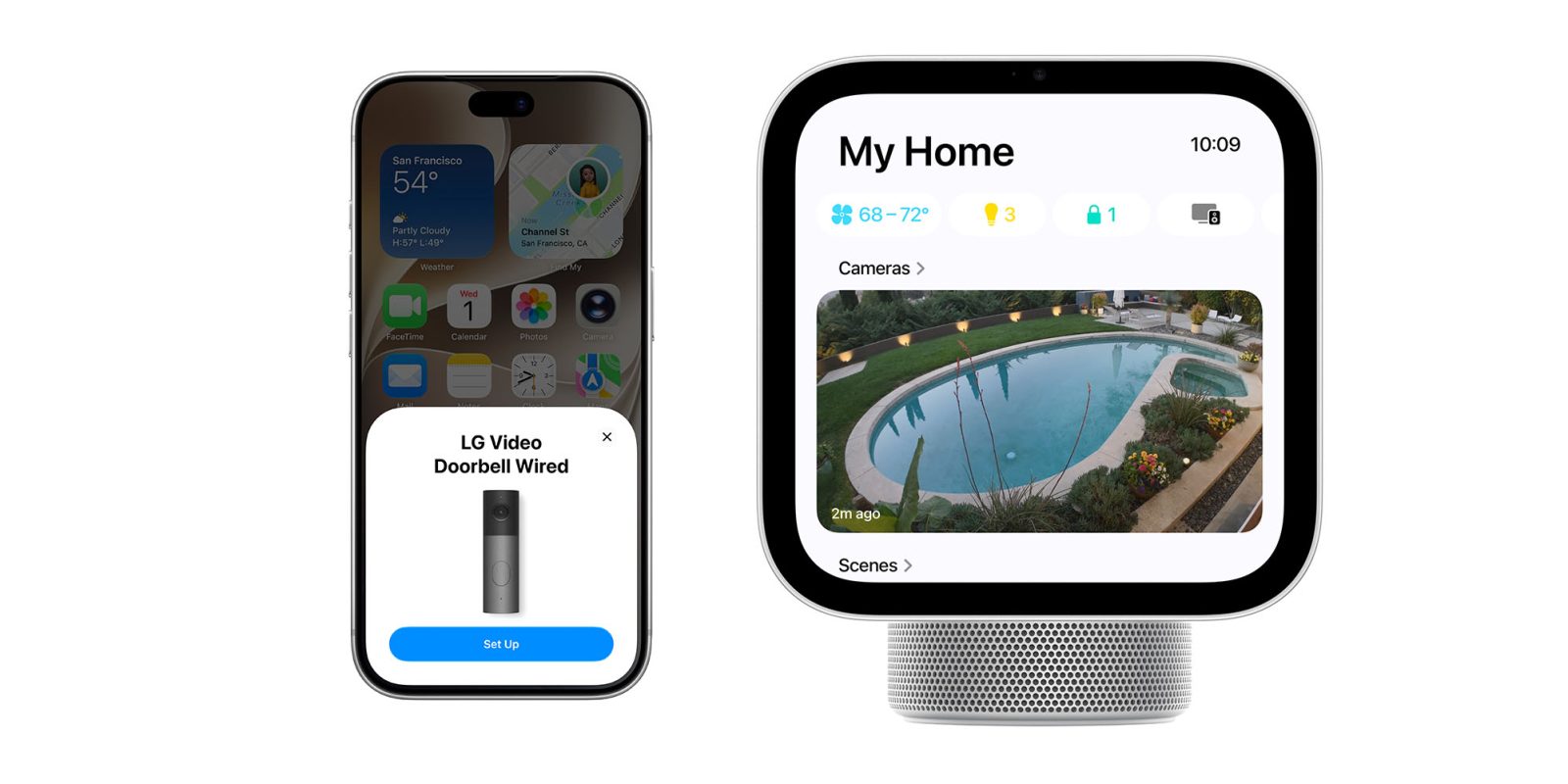
Apple’s introduction of HomeKit was intended to be the definitive solution to this fragmentation. The vision was elegant: a single app—the Home app—to rule them all. The HomeKit badge on a product box was meant to be a guarantee of security and compatibility. It brought the power of Siri to household objects, allowing users to control their environment with simple voice commands.
 Smart Home & IoT Solutions
Why the Apple Home Collection Represents a Watershed Moment for Mainstream Smart Home Adoption
In the fast-paced world of consumer electronics, it is often difficult for...
 Smart Home & IoT Solutions
Report: Apple ‘HomeView’ smart home hub will ship in November, come in four colors, A18 chip
The HomeView is expected to be the centerpiece of a major hardware...
 Smart Home & IoT Solutions
Apple Expands Smart Home Ecosystem with New Aqara Integration and Third-Party Accessory Refresh
Apple has officially updated its retail and online storefronts this week, introducing...







