
As the autumn leaves finish falling and the first signs of frost begin to creep across windshields and garden beds, millions of homeowners and DIY enthusiasts are shifting their focus toward winterization. For many, this involves cleaning gutters, insulating pipes, and sealing windows. However, one of the most significant investments in any modern household—the power tool collection—is often overlooked during seasonal transitions.
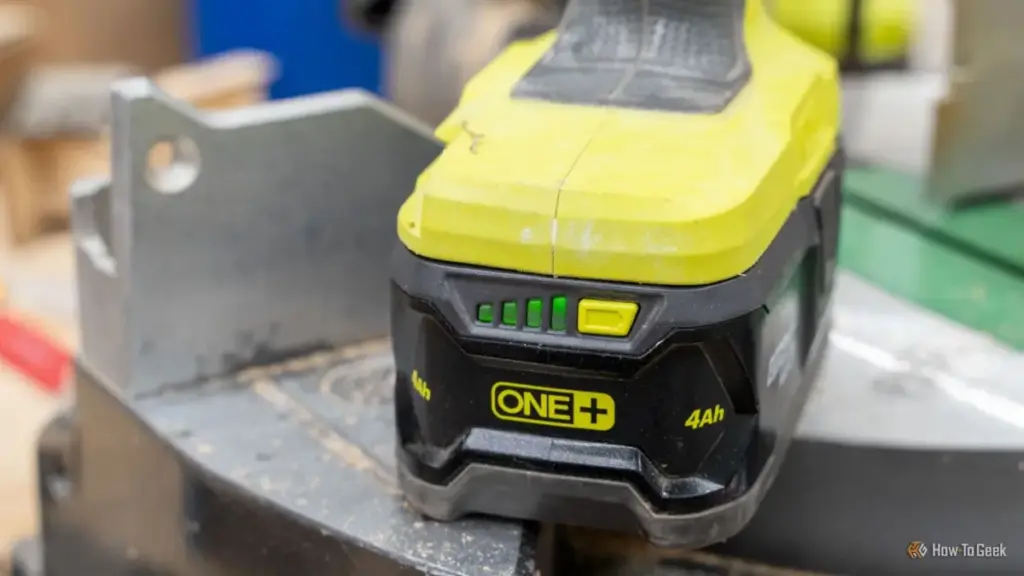
Ryobi, the ubiquitous lime-green brand found in garages and workshops across the country, has become a staple for everyone from casual weekend warriors to dedicated home renovators. While these tools are designed for rugged use, they harbor a sensitive vulnerability that many owners fail to account for: their lithium-ion battery packs. As freezing temperatures become the norm, the way these batteries are handled can mean the difference between a tool that lasts a decade and one that fails prematurely.
Cory Gunther, a seasoned technology expert and senior editor who has spent over a decade tracking the evolution of mobile tech and consumer electronics, emphasizes that the transition into winter requires more than just moving tools out of the way. It requires a fundamental shift in how we store and maintain the power sources that drive our modern conveniences.
The Science of Temperature and Battery Health
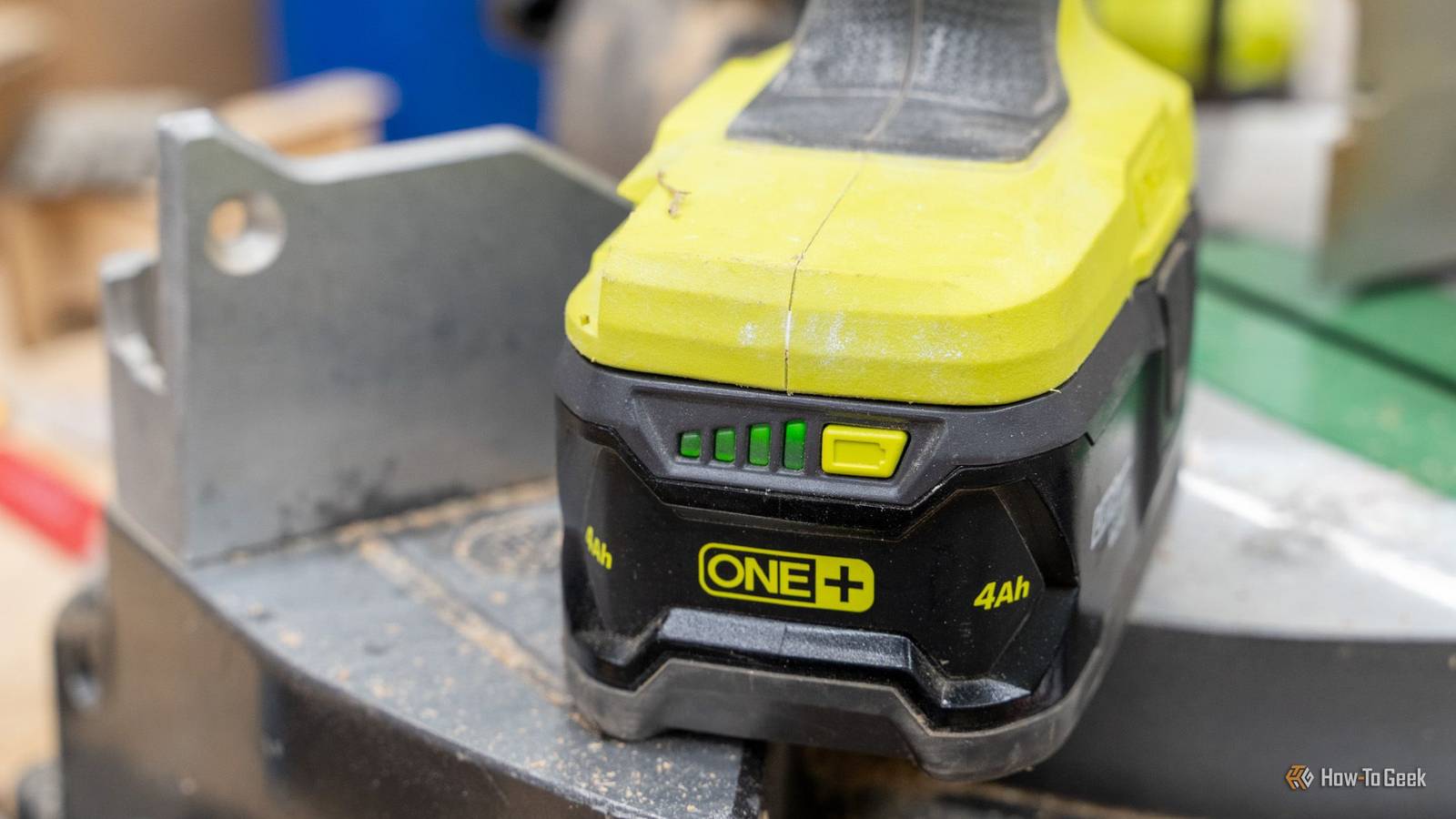
The primary threat to the longevity of Ryobi’s popular ONE+ and 40V battery systems is temperature. While the tools themselves—the drills, saws, and impact drivers—are largely composed of durable plastics and metals, the batteries are complex chemical storehouses. Lithium-ion cells, the technology powering the vast majority of Ryobi’s lineup, are notoriously sensitive to environmental extremes.
According to Gunther, lithium-ion cells prefer the same temperature ranges that humans do. When a battery is subjected to extreme cold, the chemical reactions required to move ions through the electrolyte slow down significantly. This increases internal resistance, which can lead to sluggish performance if you attempt to use the tool immediately. More importantly, charging a battery that is frozen or near-freezing can cause permanent damage, including a phenomenon known as "lithium plating," which can lead to a total loss of capacity or even safety risks over time.

While heat is often cited as the primary enemy of electronics—capable of burning out motors or causing thermal runaway in batteries—the cold presents a more insidious danger. It degrades the battery’s health quietly, often unnoticed until the following spring when the user discovers their "fully charged" battery only offers half the runtime it once did.
 Tech Tutorials & How-To Guides
Unlocking the Ethernet Utopia: How Existing Home Infrastructure Can Solve Modern Wi-Fi Instability
In an era where high-speed internet is as essential as electricity or...
 Tech Tutorials & How-To Guides
The Persistence of Browser Hijackers: How a Tech Expert Used AI to Reclaim Chrome
In the modern digital landscape, the line between a helpful browser extension...
 Tech Tutorials & How-To Guides
The Enduring Legacy of Connectivity: Why Decades-Old Ports Still Dominate Modern Technology
In an era defined by rapid technological obsolescence, where smartphones are replaced...







